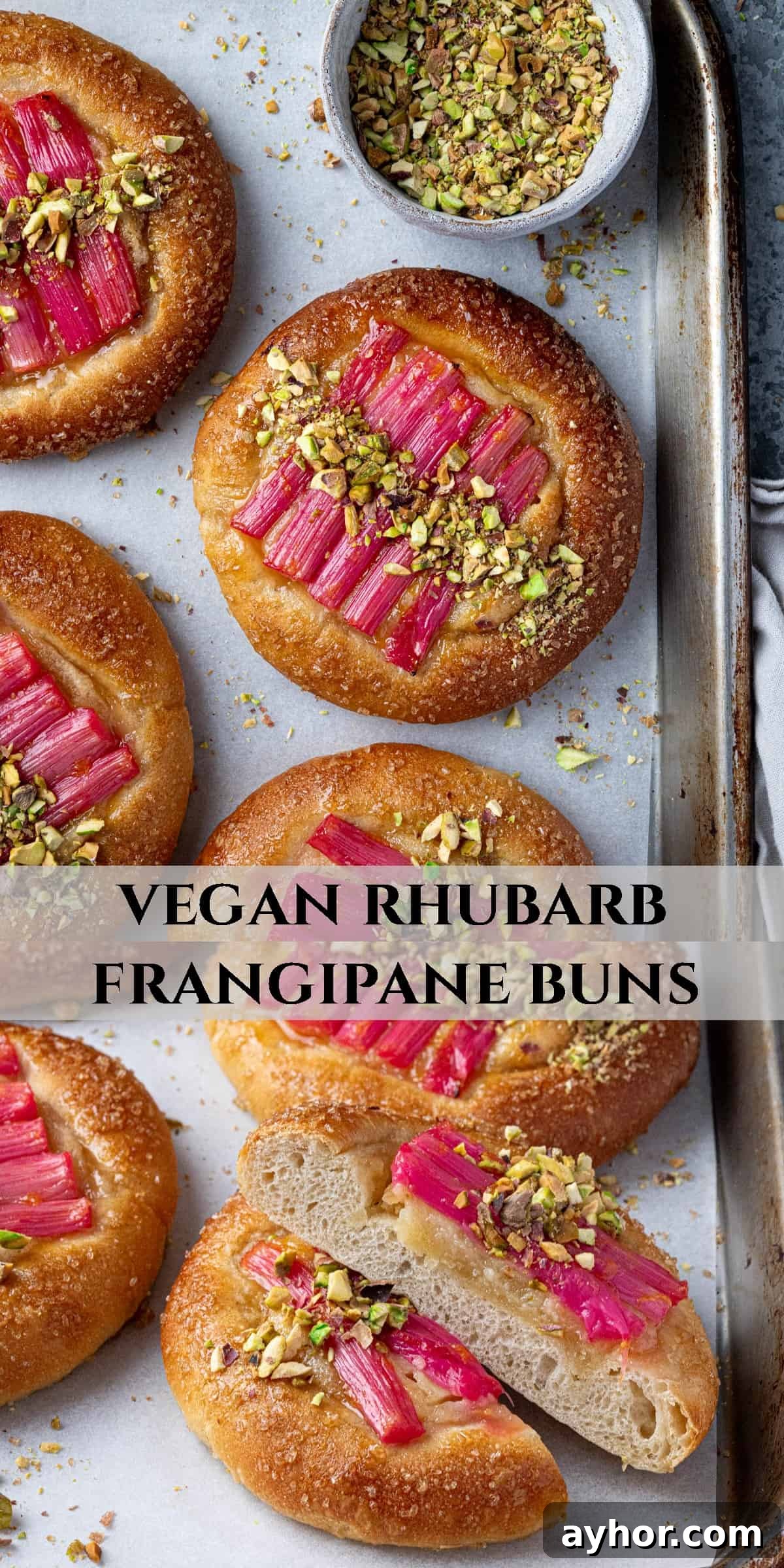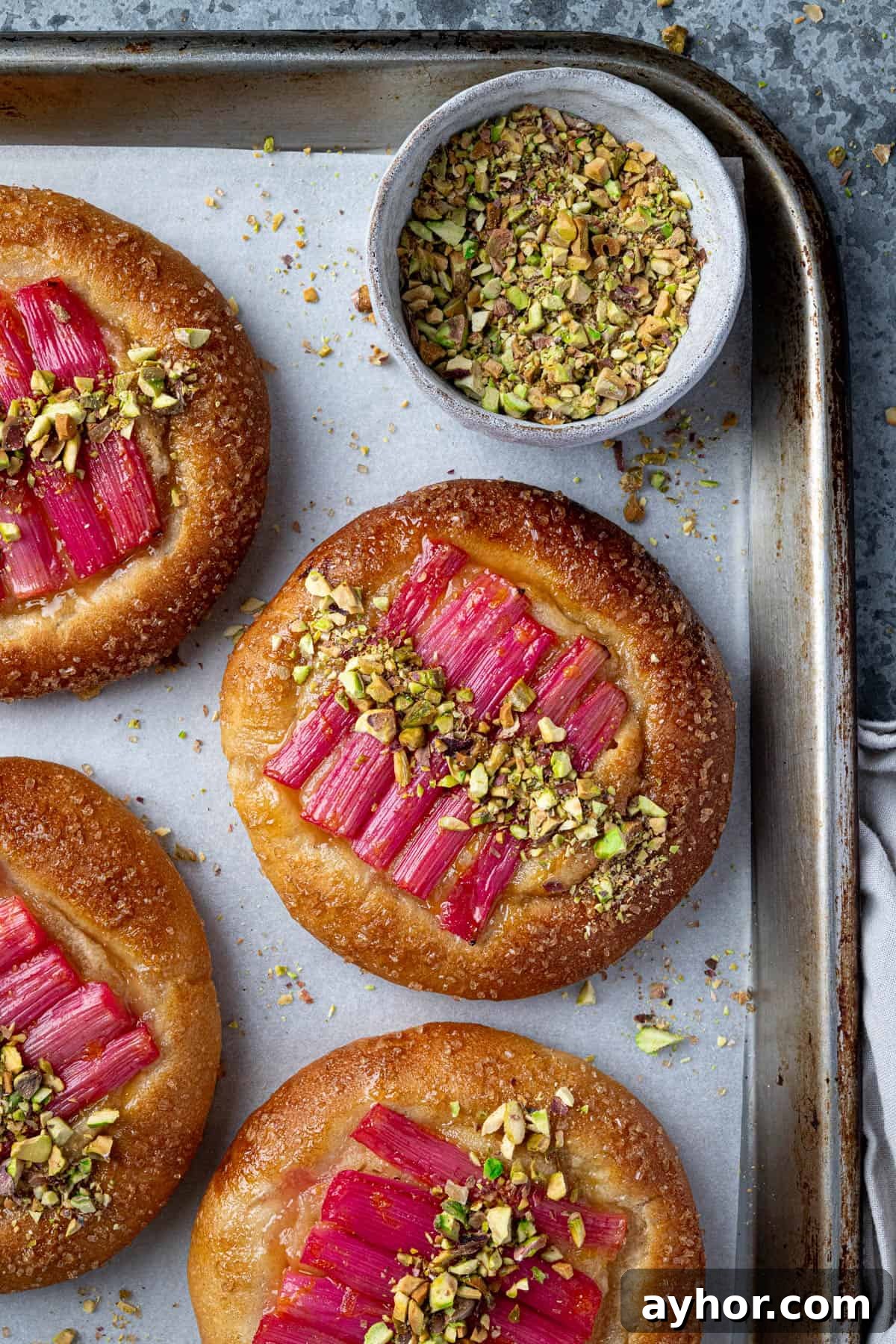
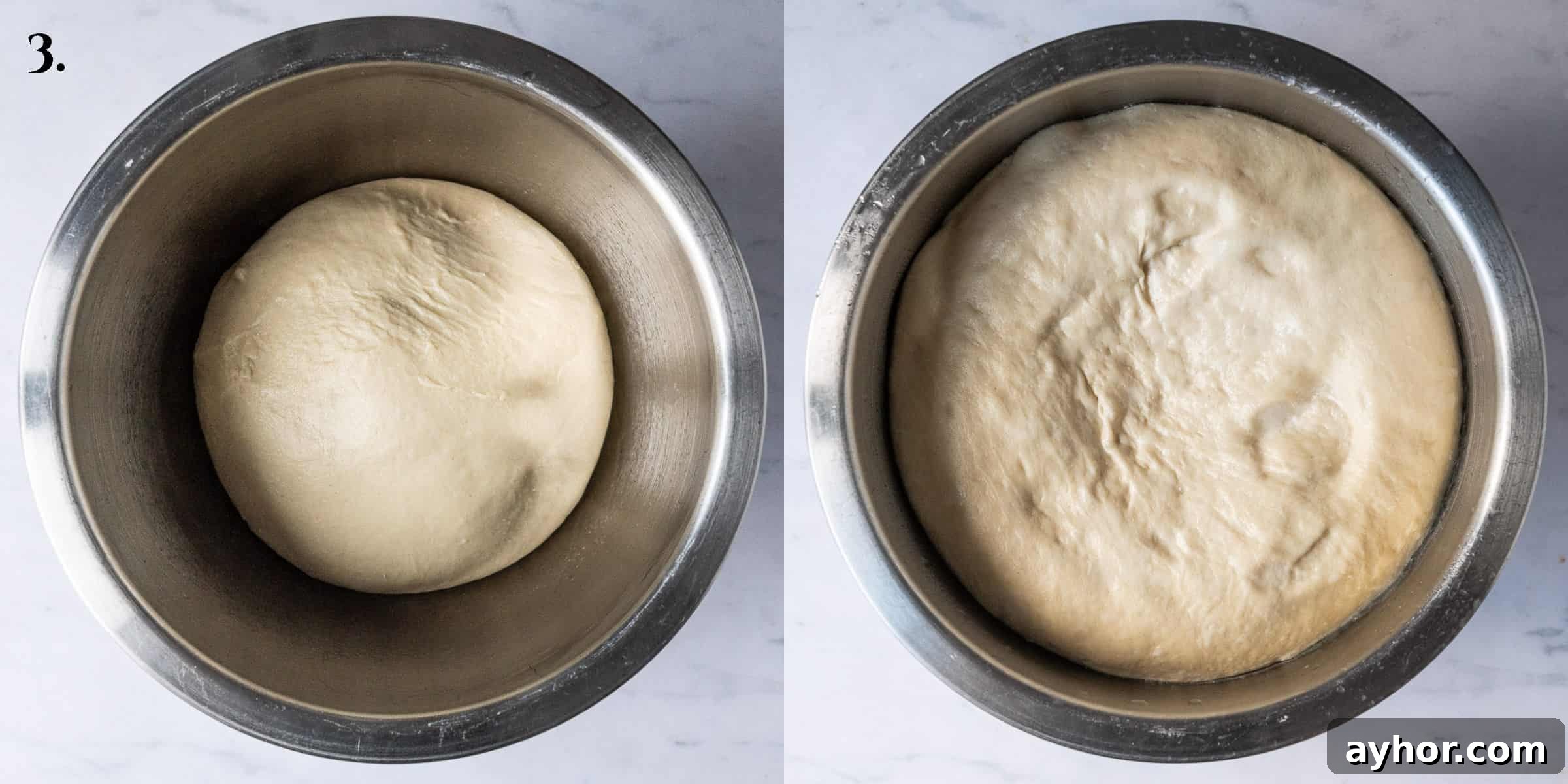
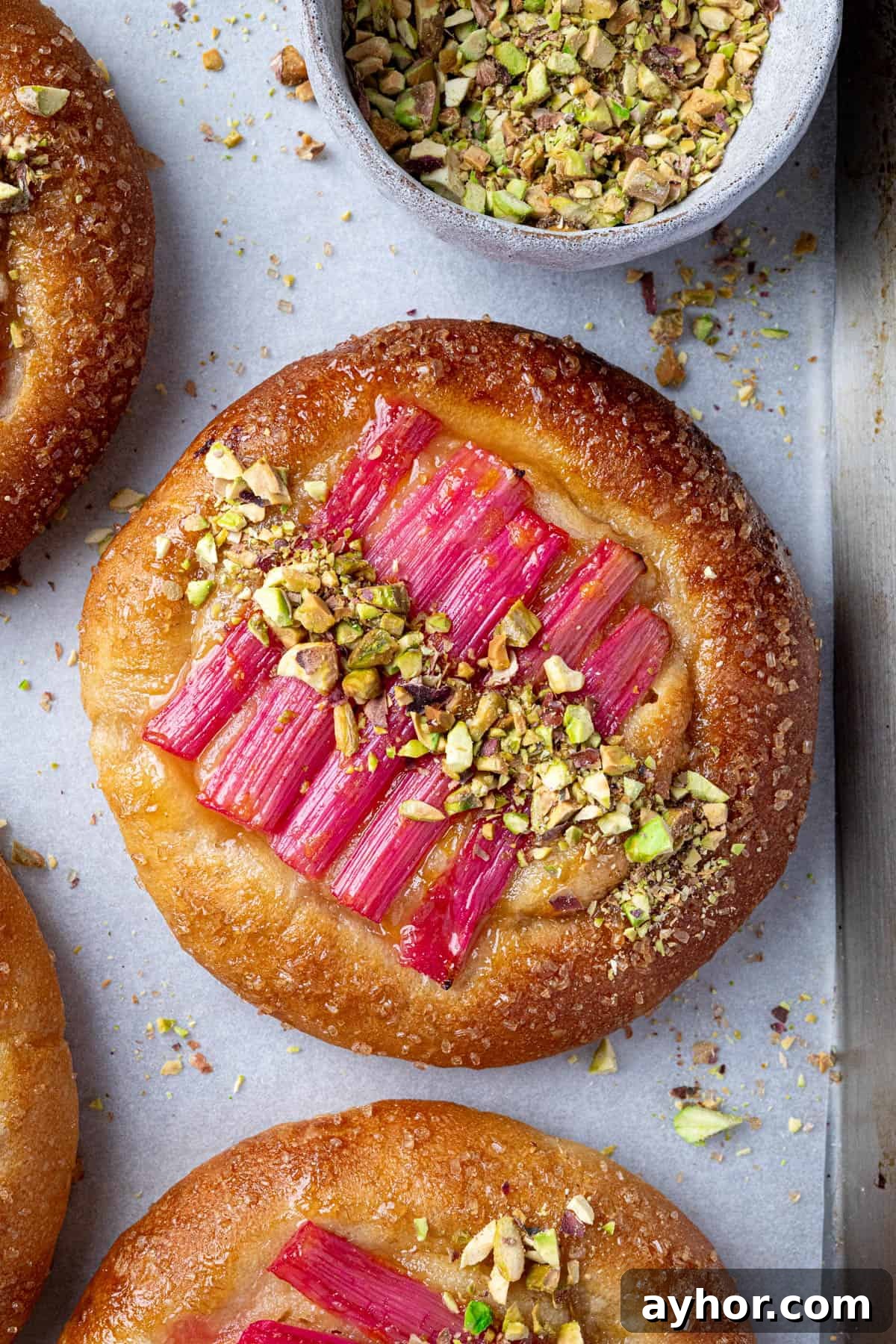
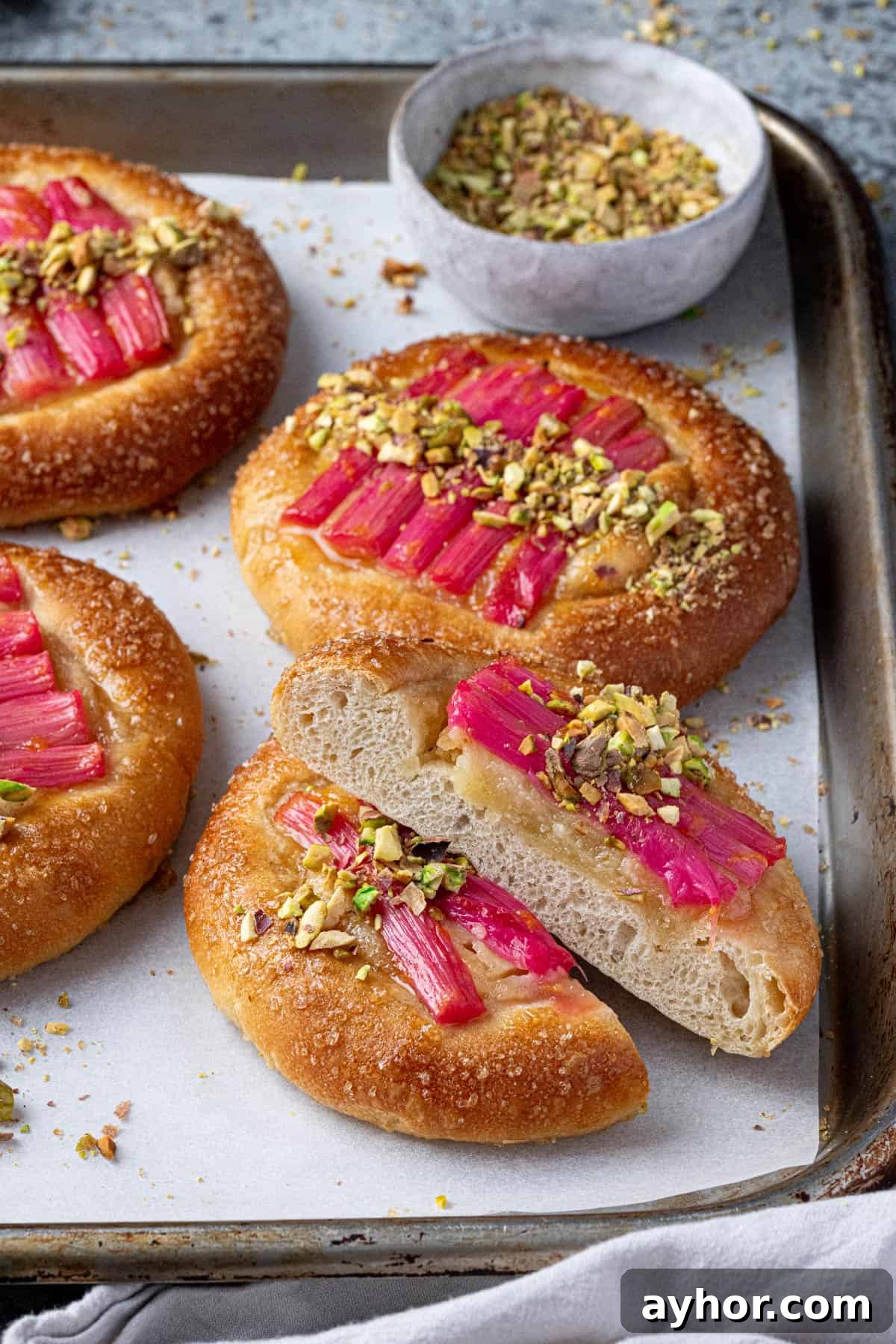
Rhubarb frangipane buns are individually sized treats featuring a soft, brioche-like tangzhong bread base, a creamy egg-free almond frangipane and oven-roasted rhubarb. Lightly sweet and richly flavoured, these vegan buns are perfect for breakfast, brunch or an indulgent snack.
The tangzhong method yields a pillowy, tender crumb using less fat than traditional brioche. Each bun is shaped with a shallow well for the frangipane, then topped with roasted rhubarb flavoured with orange for brightness. A scatter of chopped roasted pistachios adds colour and a pleasing crunch, though it’s optional.
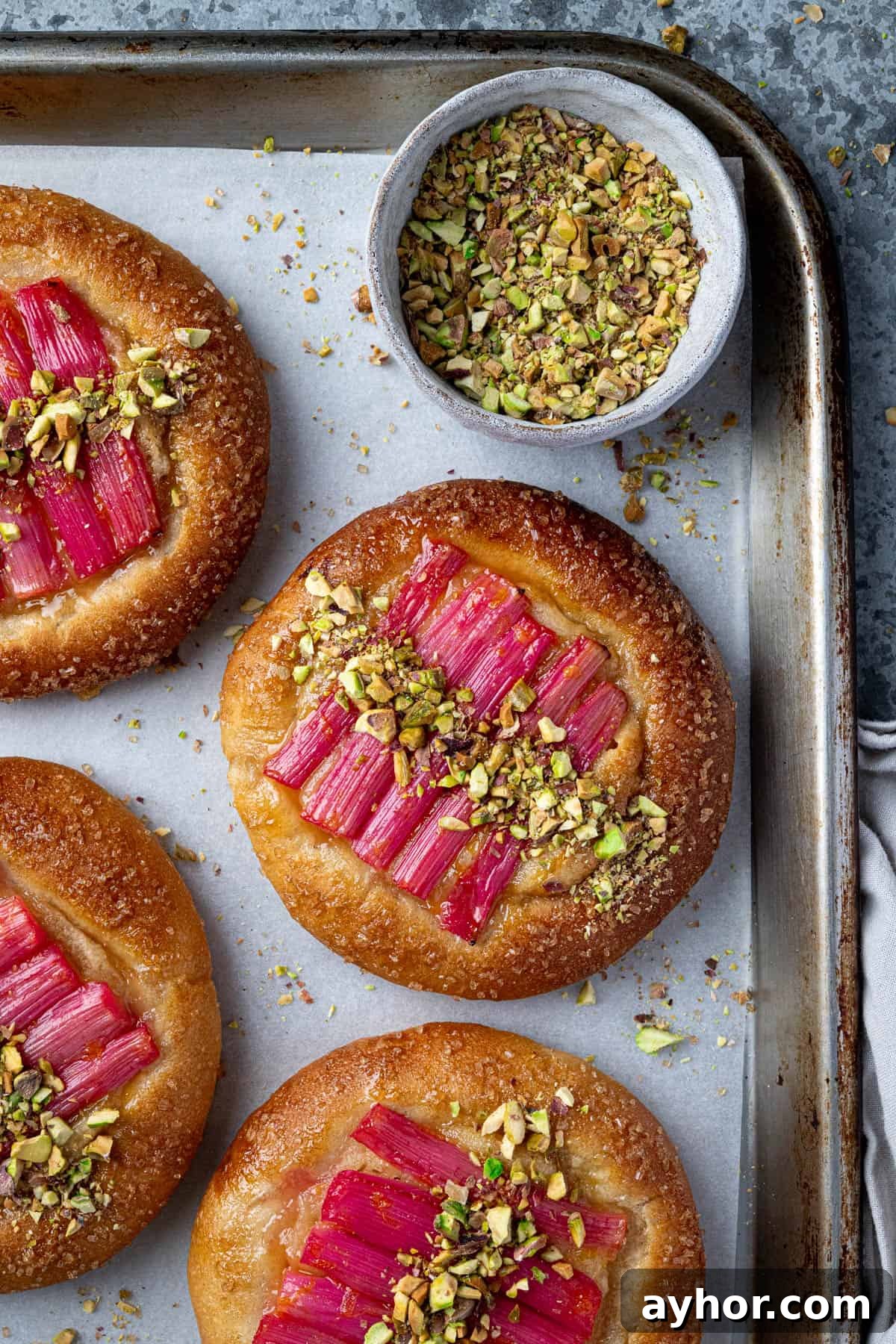
The combination of a soft, slightly chewy bread, rich almond frangipane and tangy roasted rhubarb is wonderfully balanced. These buns are inspired in appearance by some classic rhubarb brioche tarts, but the recipe and technique here are distinct and fully vegan.
Below are ingredient notes, step-by-step instructions and tips to help you get consistent results. Full measurements and the printable recipe card are included in the recipe section.
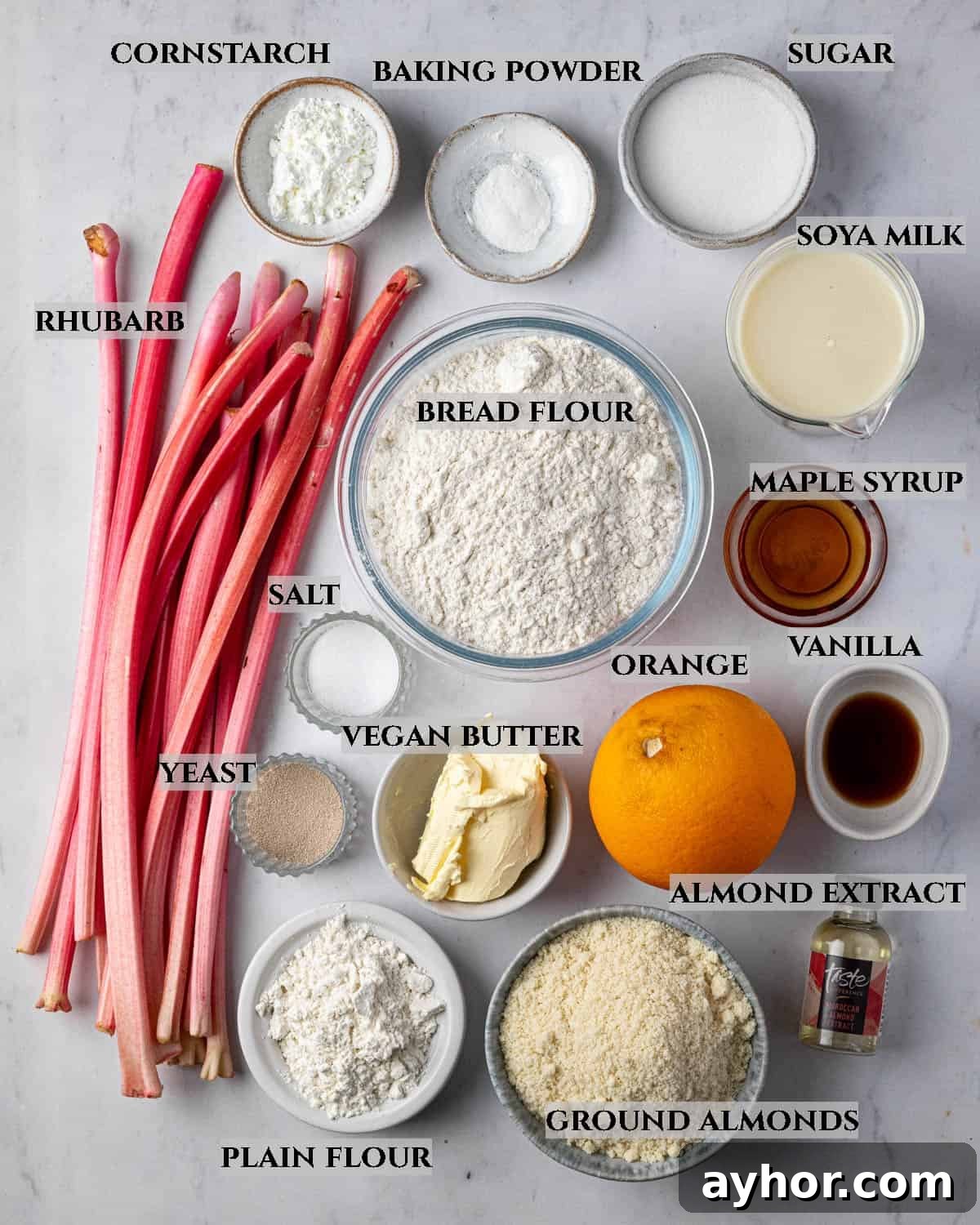
Ingredient Details:
Bread flour: White bread flour gives the buns their soft, elastic structure. Plain (all-purpose) flour can be used, though the texture will differ slightly. Avoid wholemeal flour to prevent a dense result.
Instant yeast: Fast-action (instant) yeast can be added directly to the flour without prior activation, which is convenient and reliable.
Salt: Essential for balanced flavour and proper dough structure. Do not omit.
Non-dairy milk: Unsweetened soy milk is recommended because its higher protein content more closely mimics dairy milk, but other unsweetened plant milks will work.
Vegan butter: Use a good quality block or tub-style vegan butter (not low-fat). A block butter is ideal for the dough; a tub butter is acceptable for the filling if needed.
Sugar: Use caster or granulated sugar. Avoid liquid sweeteners in place of granulated sugar for the dough and frangipane.
Ground almonds: Also known as almond flour in some regions; this forms the base of the frangipane.
Cornstarch (cornflour): A small amount helps the frangipane set firmly during baking.
Rhubarb: Forced rhubarb produces a lovely pink colour and milder sweetness. Roast gently so it holds its shape.
Orange: A little orange juice and zest baked with the rhubarb adds freshness; blood orange is a great option if available.
Demerara sugar: Optional for sprinkling on the rims before baking to add crunch and a caramelised finish.
Chopped roasted pistachios are optional but make an attractive finishing touch.
How To Make Rhubarb Frangipane Buns:
(Full measurements and printable instructions are provided in the recipe card below)
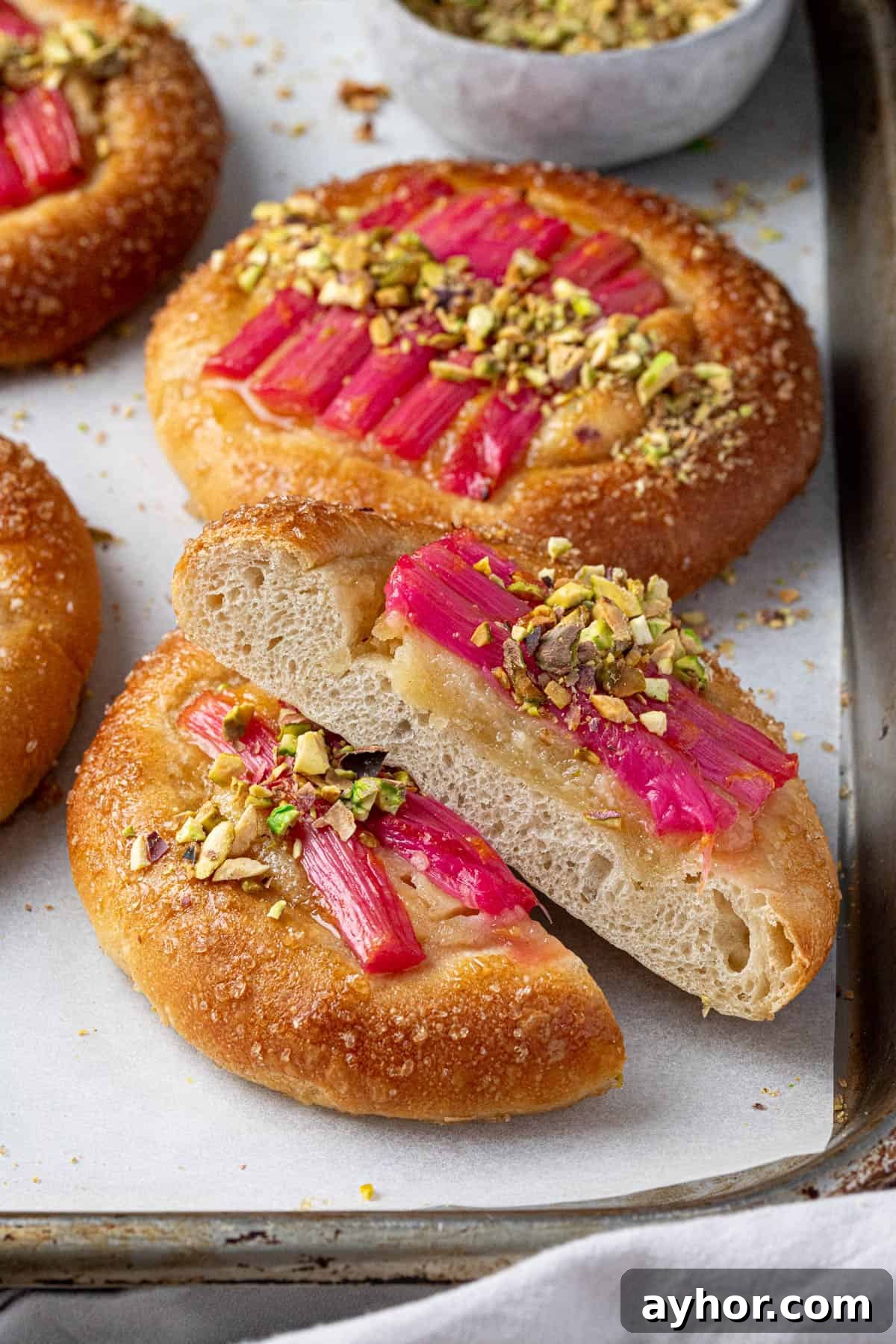
Step 1: Make the tangzhong by whisking the flour into the milk in a saucepan over medium-low heat until it thickens to a paste or pudding-like consistency. Remove from the heat and cool slightly.
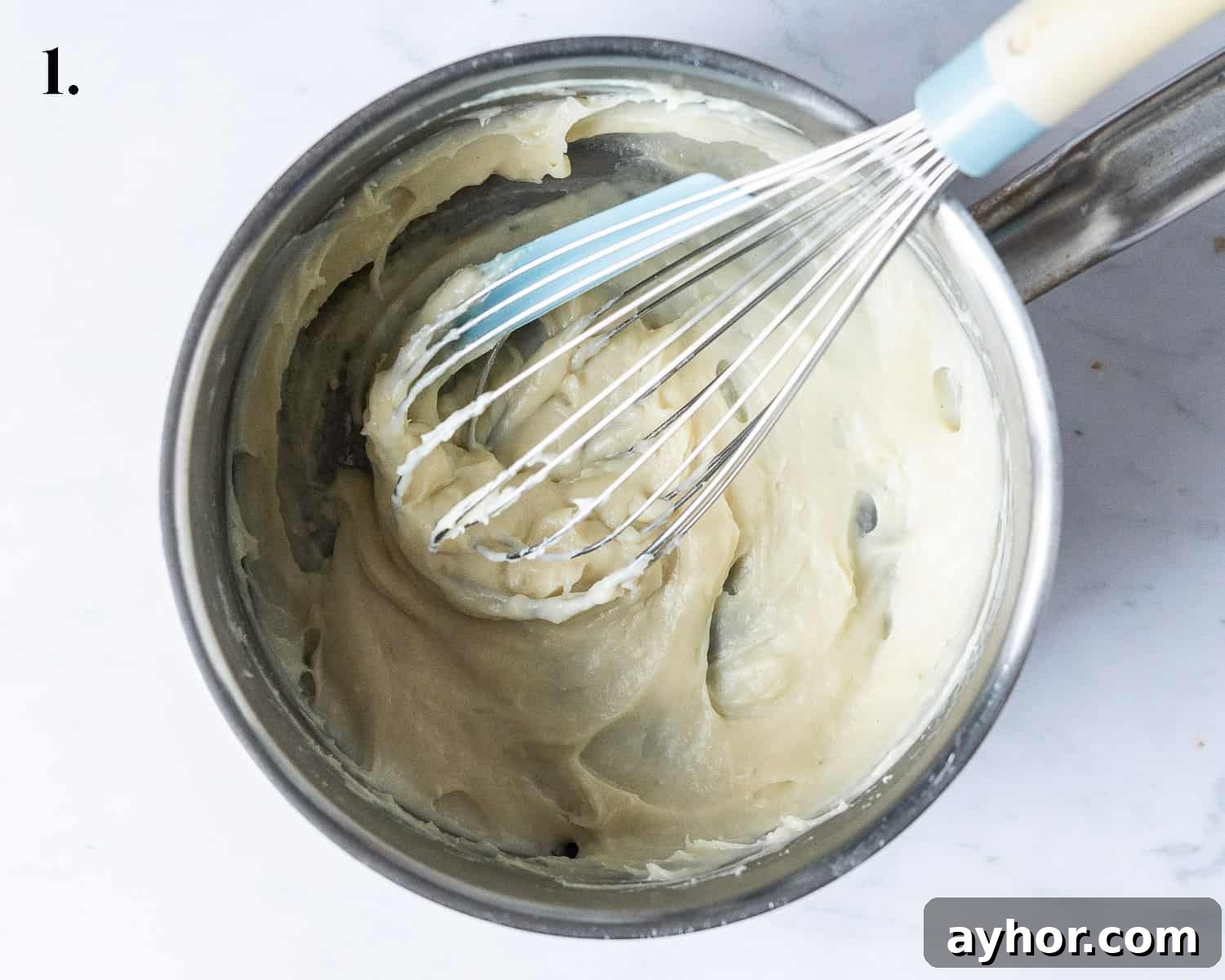
Step 2: Transfer the tangzhong to a stand mixer bowl fitted with a dough hook, pour in the cold milk, then add sugar, vanilla, salt, flour and yeast. Mix until a rough dough forms, then knead on medium speed until smooth and stretchy. Add softened vegan butter and knead for another 5 minutes until fully incorporated and the dough feels elastic, not greasy.
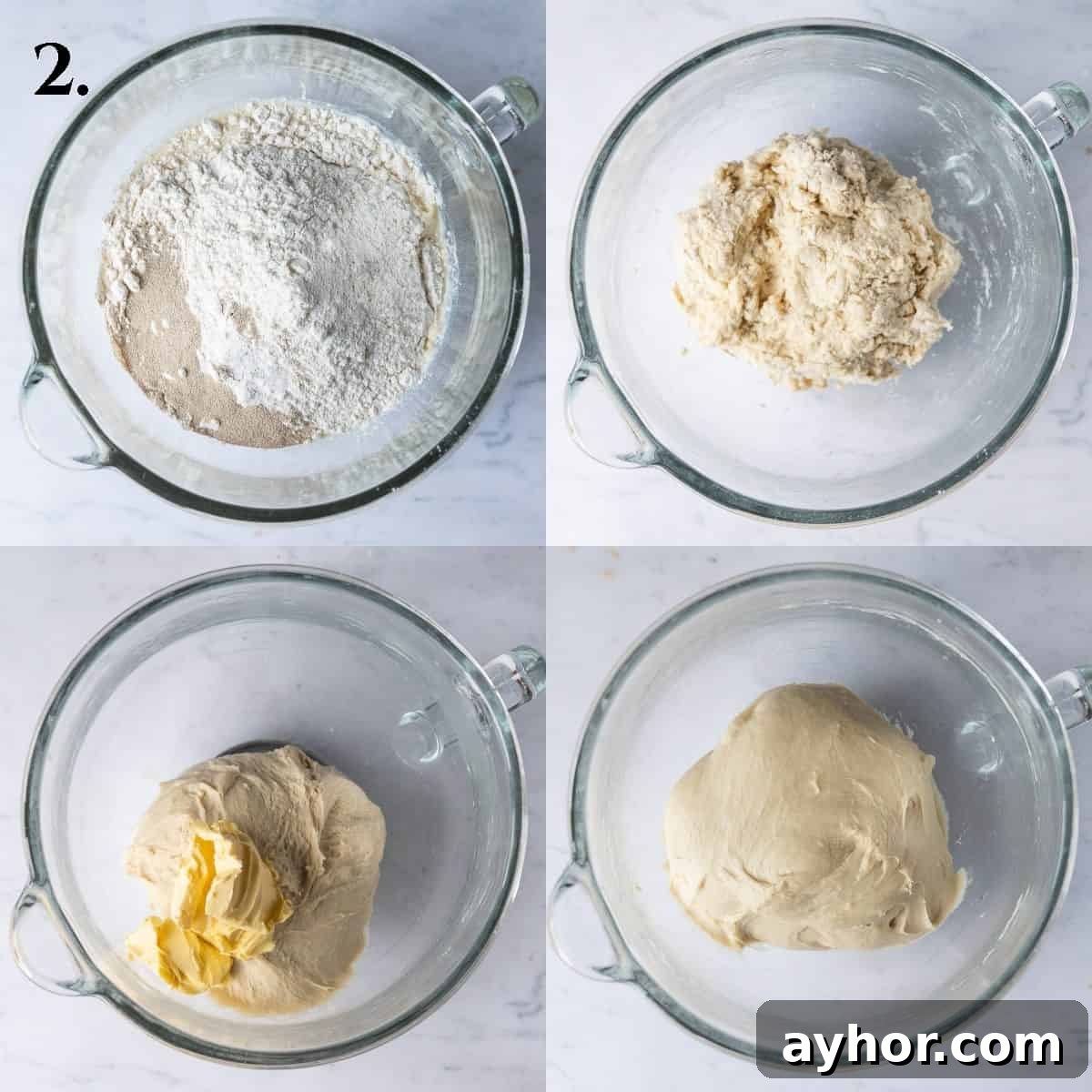
Step 3: Place the dough in a lightly oiled bowl, cover and allow to rise in a warm place for 1–2 hours, or refrigerate overnight for a slow ferment and more developed flavour.
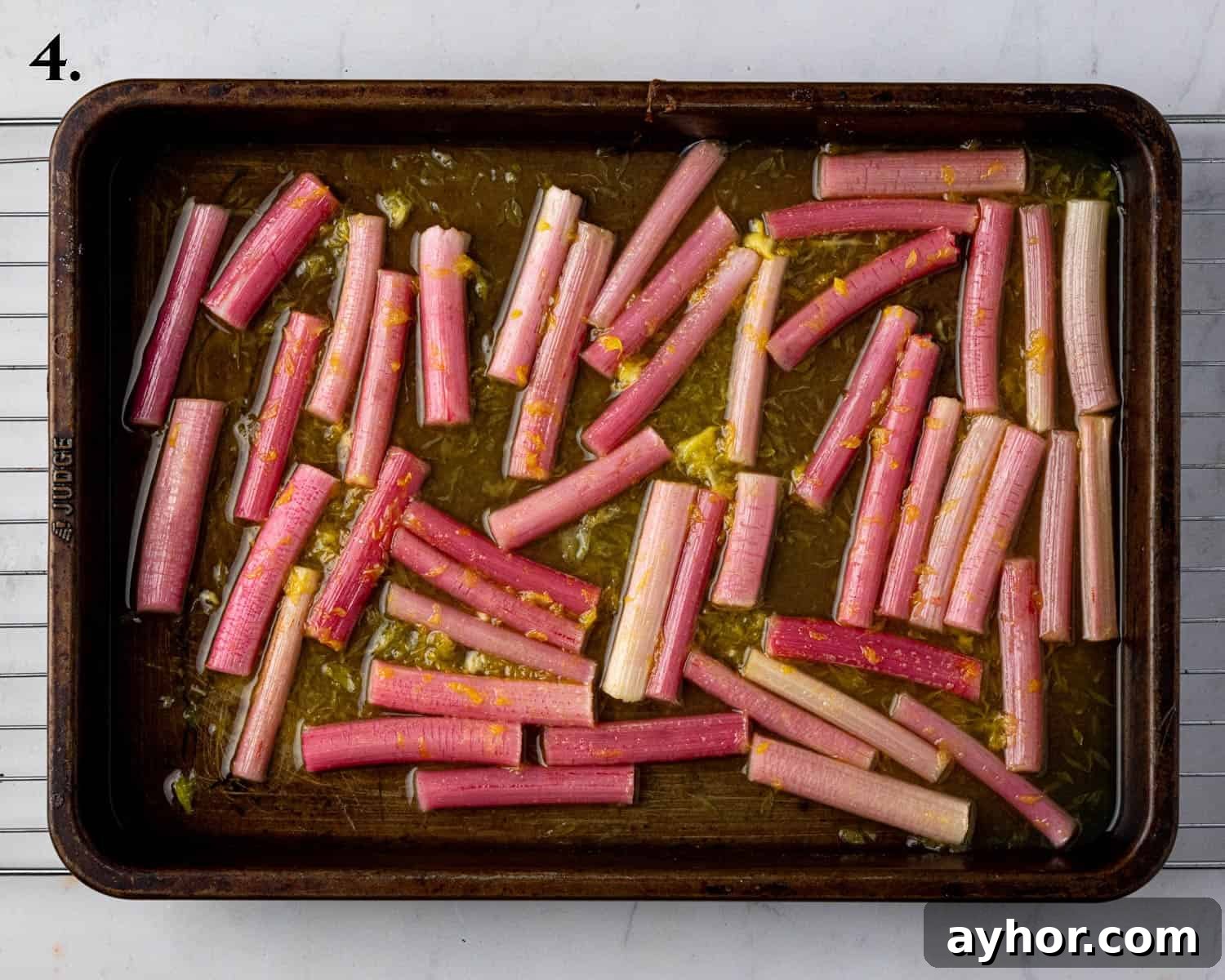
Step 4: While the dough rises, roast the rhubarb at around 180℃/160℃ fan (350℉) with orange juice and sugar for roughly 10 minutes. The rhubarb should soften but keep its shape. Reserve the juices.
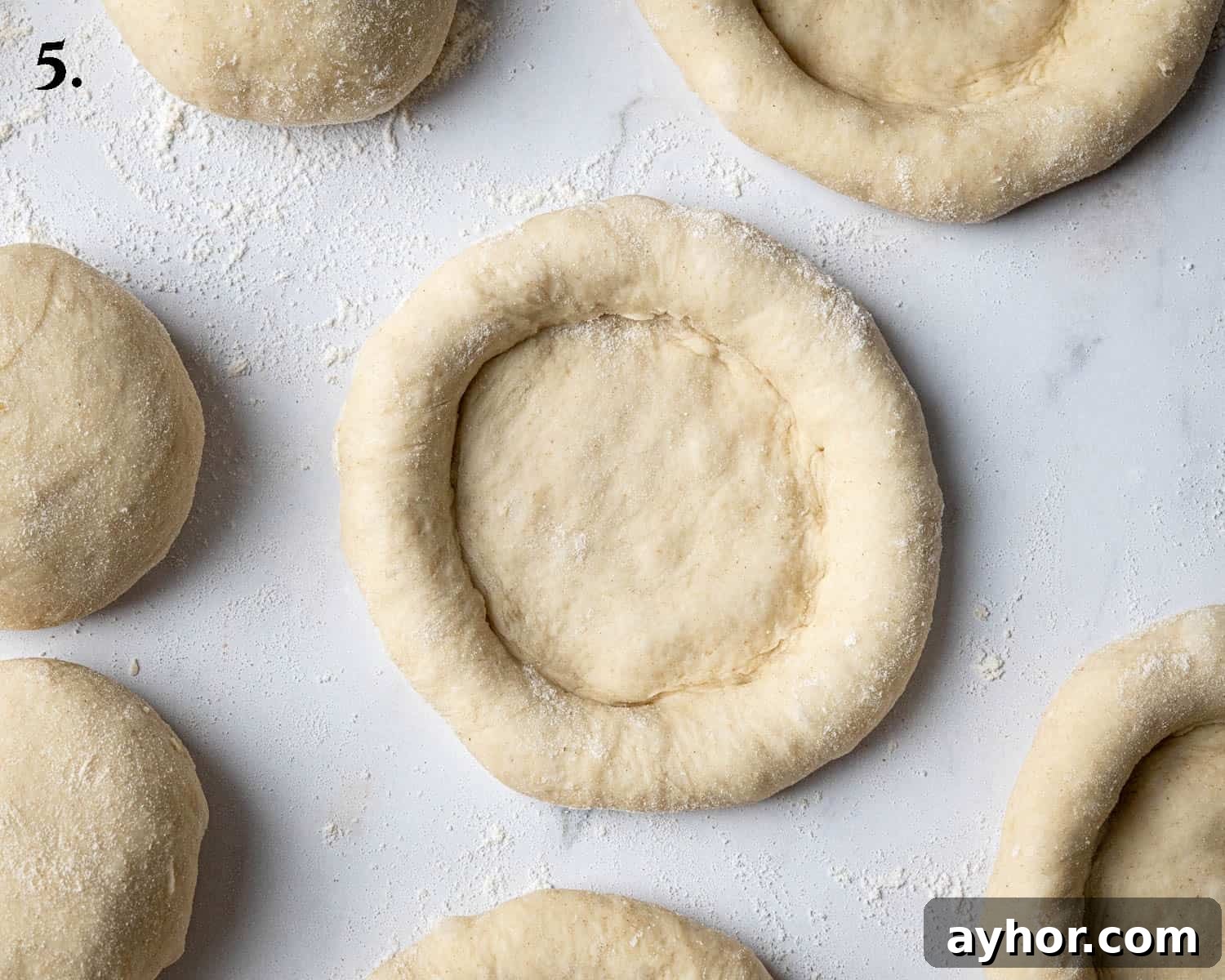
Step 5: Deflate the risen dough gently, divide into 10 even pieces and roll into balls. Flatten each ball into a disc about 10 cm wide and press the centre down to form a shallow well, leaving a 2 cm rim.
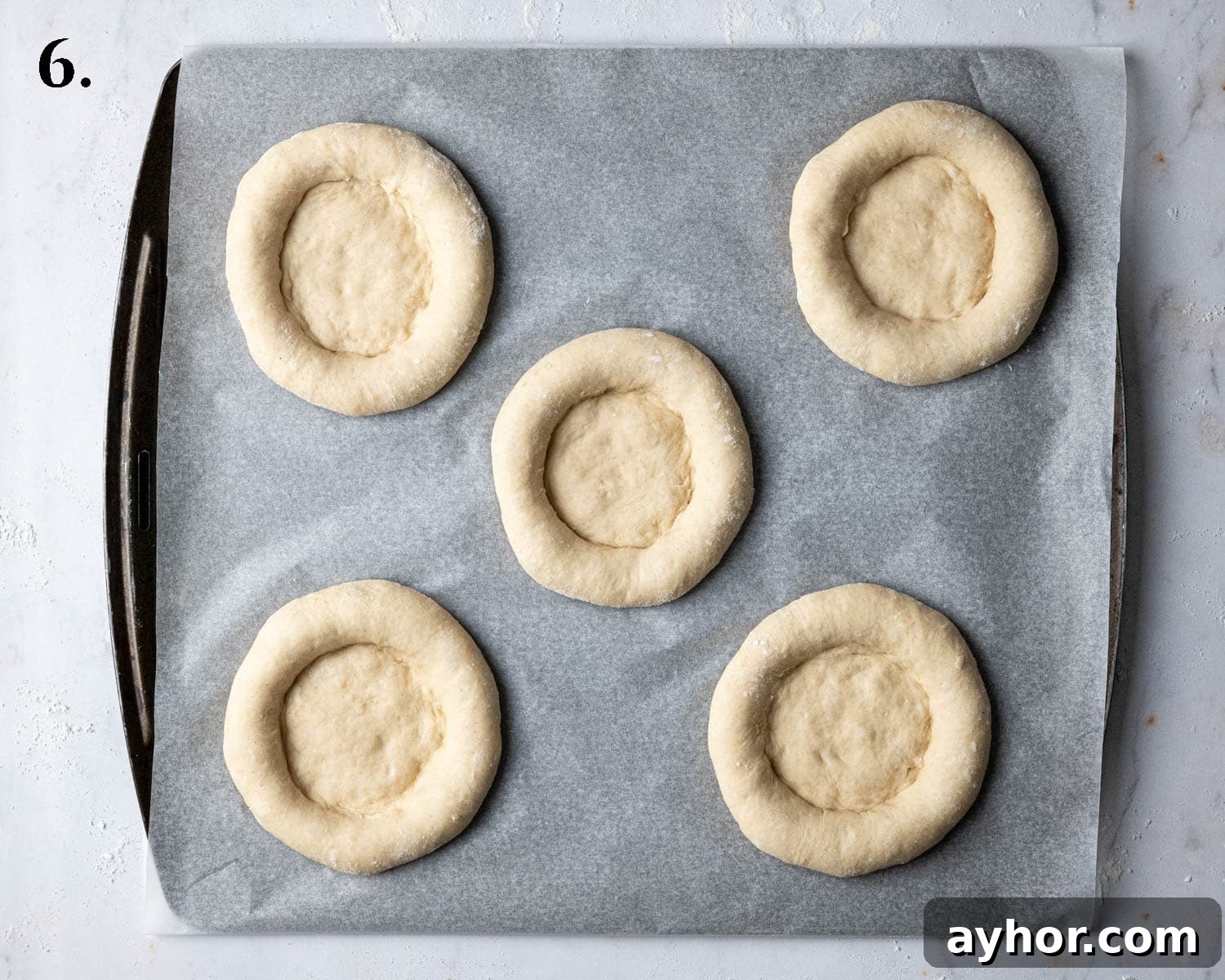
Step 6: Place the discs spaced on lined baking sheets, loosely cover and let them rise until puffy, about 30–45 minutes.
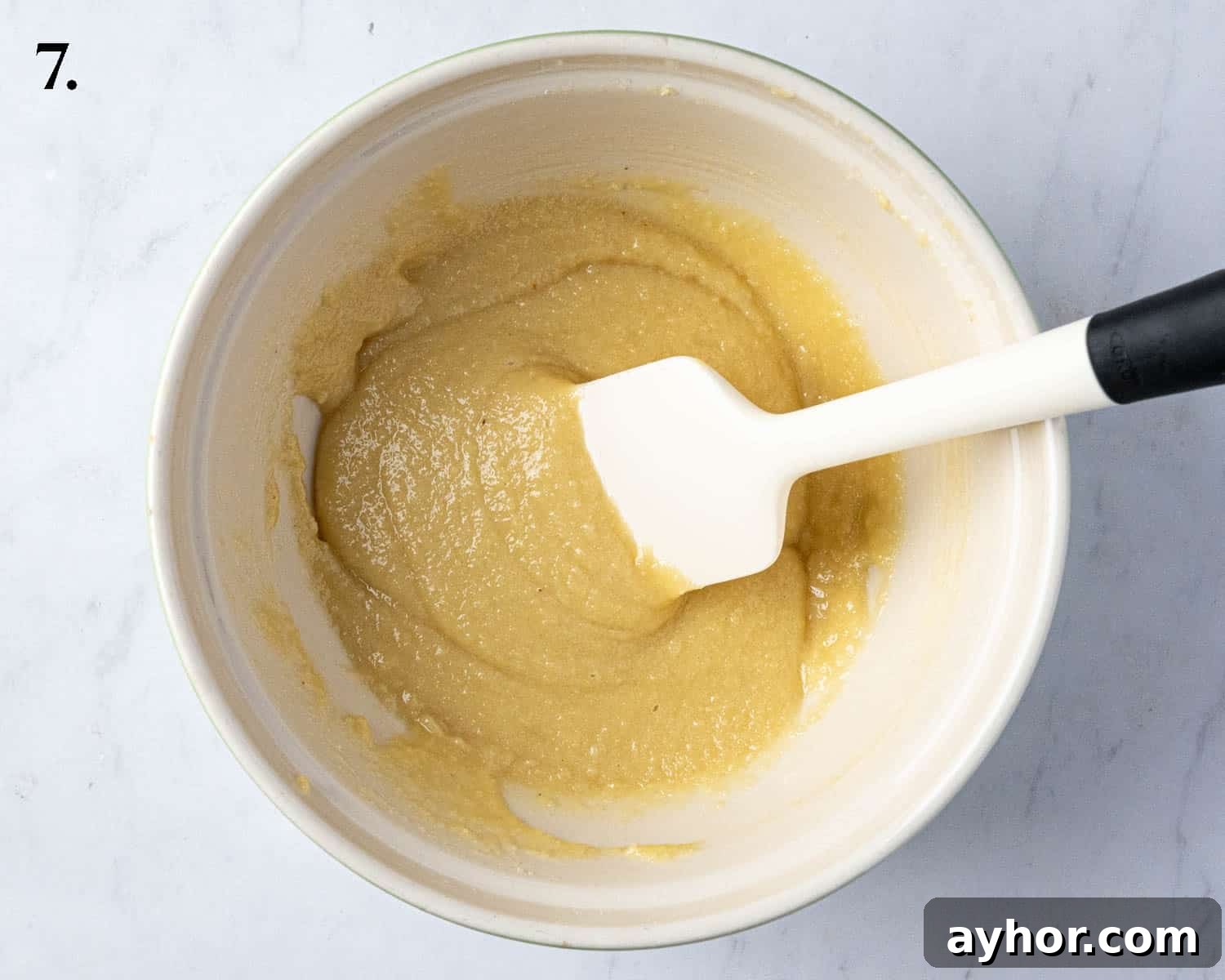
Step 7: Make the frangipane by whisking together ground almonds, plain flour, cornflour, baking powder and sugar. Stir in melted vegan butter, non-dairy milk and almond extract until smooth.
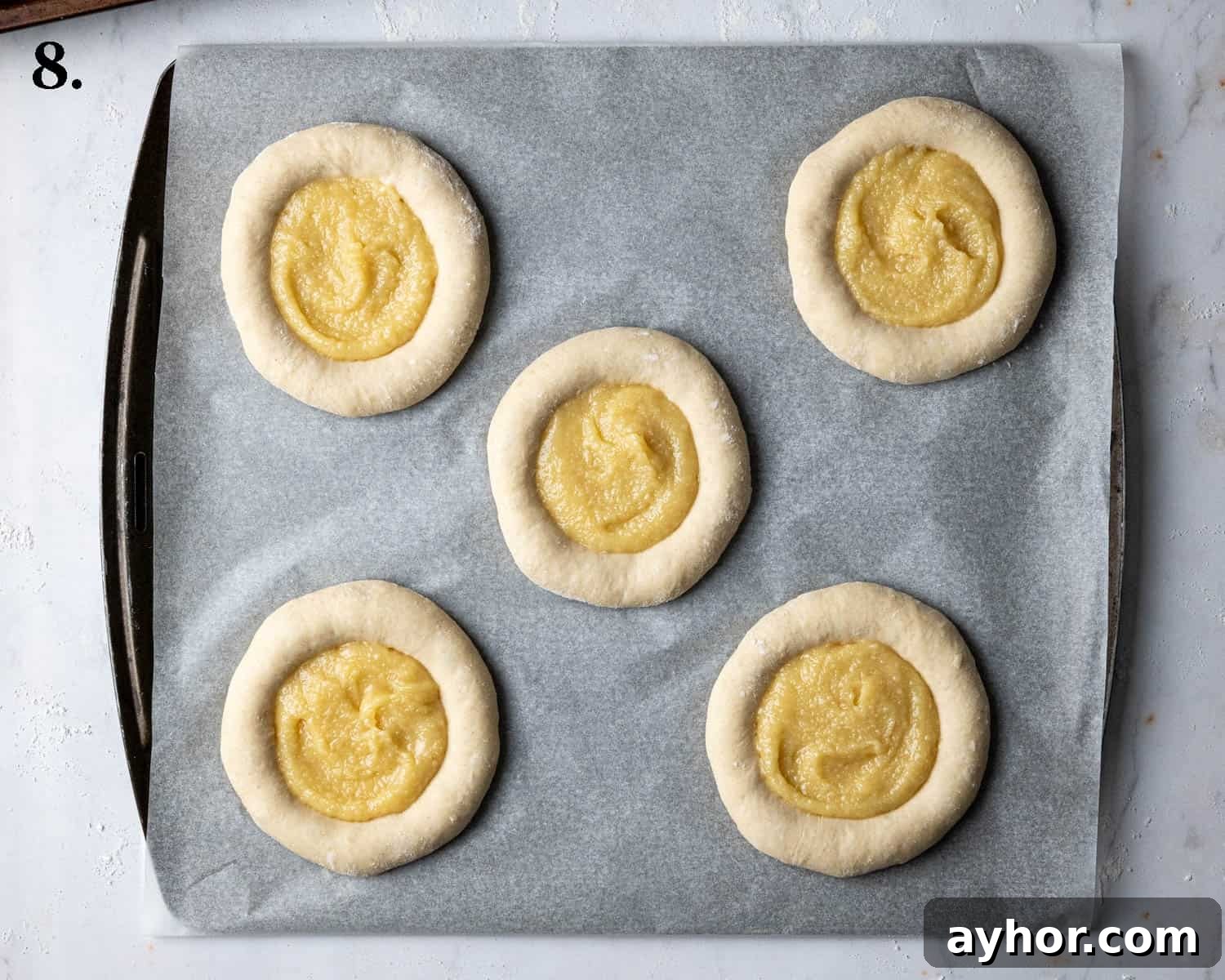
Step 8: Spoon the frangipane into the wells of the risen buns and level it out.
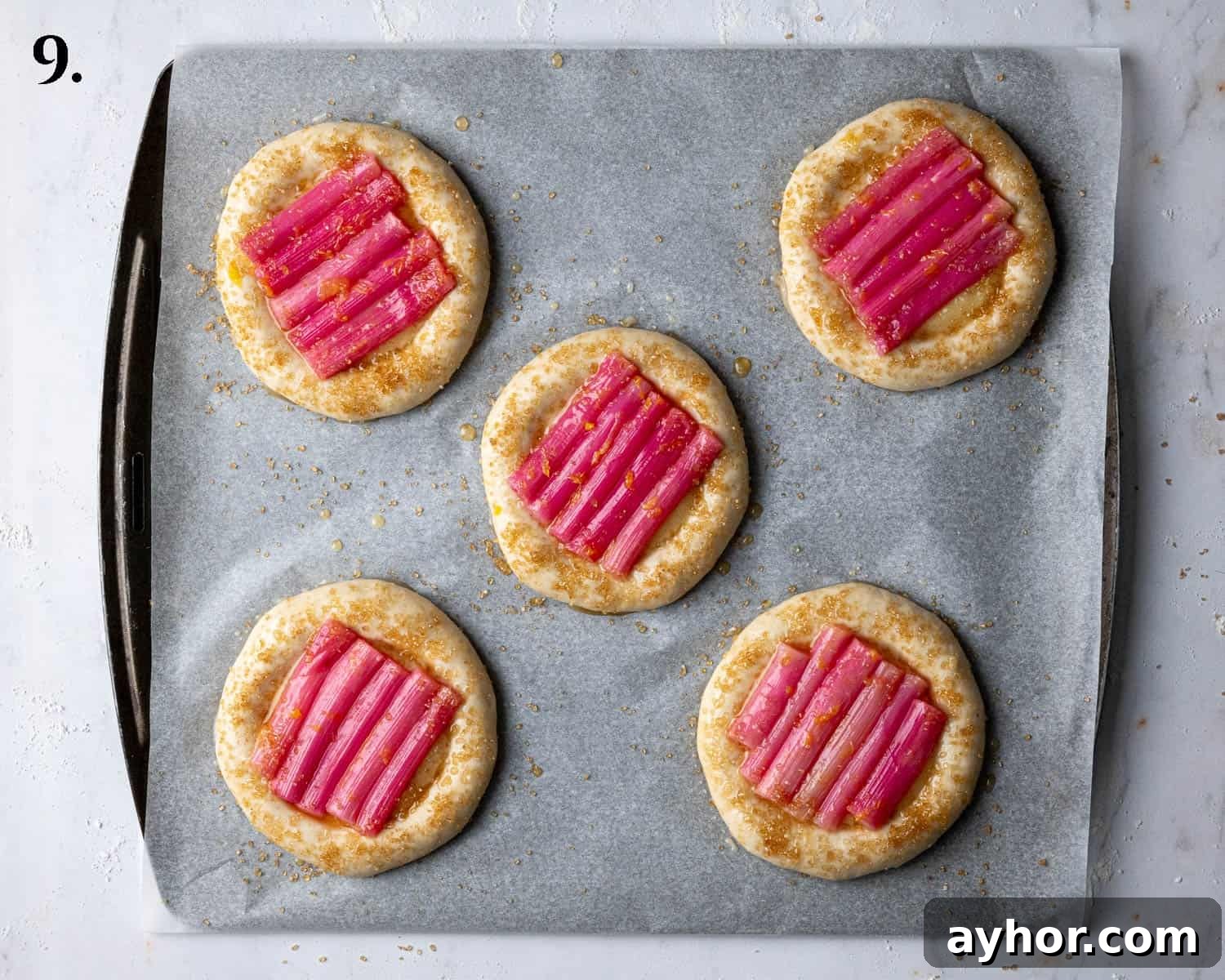
Step 9: Arrange roasted rhubarb on top of the frangipane, brush the exposed dough rim with a mixture of non-dairy milk and maple syrup, and sprinkle with demerara sugar.
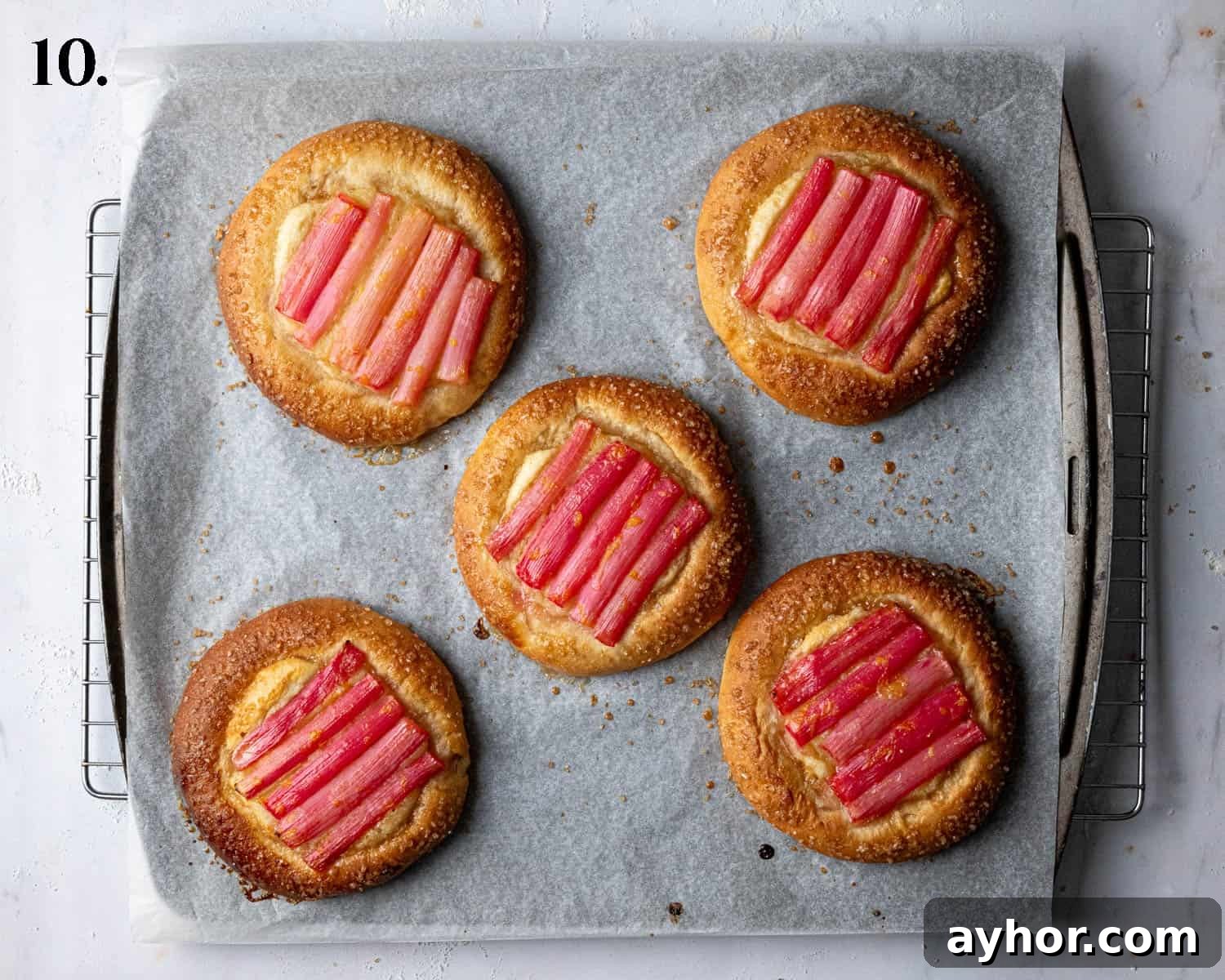
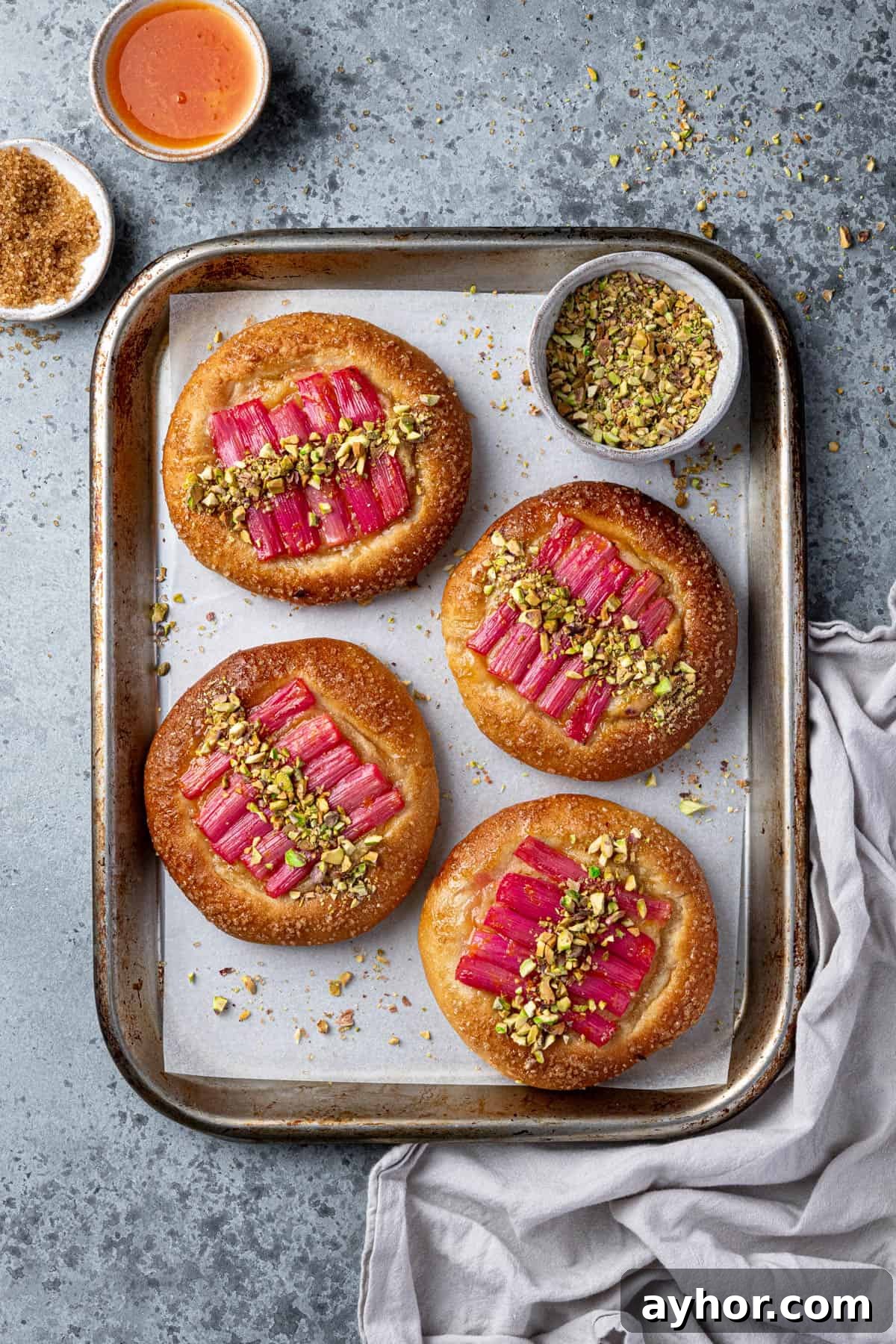
Step 10: Bake for 20–25 minutes until the buns are golden brown. While they bake, reduce the reserved rhubarb juices in a small pan to a light syrup. Brush the rhubarb with this glaze after baking and finish with chopped pistachios if desired.
Top Tips:
Use metric weights with a digital scale for consistent results; cup measures vary widely and can affect the dough. Ensure your yeast is fresh and adjust rising times to the ambient temperature. Avoid overcooking the rhubarb so it holds its shape for decorating. For convenience and deeper flavour, you can do the first rise overnight in the fridge. These buns are best the day they are baked but will keep for a couple of days if stored properly and warmed before serving.
FAQ’s:
Store the cooled buns in an airtight container at a cool room temperature for up to 2 days. If it’s warm, refrigerate them. Reheat briefly before serving for the best texture.
Yes, but the dough is soft and slightly sticky so a stand mixer makes the job easier. If kneading by hand, avoid adding lots of extra flour; lightly oil the surface and your hands to manage stickiness. A bench scraper is helpful for handling the dough.
Freeze fully cooled, baked buns in an airtight container or wrapped individually to prevent freezer burn. Defrost at room temperature and refresh in a low oven for 5–10 minutes or briefly in the microwave. Avoid freezing unbaked buns.
This recipe relies on gluten for structure, so it’s not suitable to convert directly to gluten-free without significant recipe reformulation. Use a purpose-developed gluten-free bread recipe if needed.
Yes. Fresh berries, sliced peaches or strawberries work well in place of rhubarb. Most fruits don’t need pre-roasting—simply arrange them on top of the frangipane before baking.
More Sweet Bun Recipes:
- Vegan Belgian buns
- Vegan cinnamon rolls
- Vegan hot cross buns
- Banana bread cinnamon rolls (vegan)
- Vegan lemon blueberry rolls
- Chocolate orange hot cross buns
- Vegan gingerbread cinnamon rolls
- Wholemeal maple cinnamon rolls
- Mocha cinnamon rolls
If you try this recipe, please rate it or leave a comment to share how it went.
All images and content are copyright protected. If you share this recipe, please link back to the original post rather than reposting the full content.
Rhubarb Frangipane Buns (Vegan)
Ingredients
Tangzhong:
- 25 g (3 Tablespoons) white bread flour
- 140 ml (½ cup + 4 teaspoons) unsweetened non-dairy milk (soy recommended)
Dough:
- all of the tangzhong
- 140 ml unsweetened non-dairy milk (cold)
- 40 g caster or granulated sugar
- 2 teaspoons vanilla extract
- 360 g white bread flour
- 1 teaspoon salt
- 7 g (1 sachet) fast action (instant) yeast
- 50 g vegan butter (softened)
Rhubarb:
- 250 g forced rhubarb
- 25 g caster or granulated sugar
- juice of 1 small orange
Frangipane:
- 100 g ground almonds (almond flour)
- 30 g plain (all-purpose) flour
- 10 g cornflour (cornstarch)
- ¼ teaspoon baking powder
- 70 g caster or granulated sugar
- 50 g vegan block butter (melted)
- 50 ml unsweetened non-dairy milk
- ½ teaspoon almond extract
To Finish:
- 1 Tablespoon non-dairy milk
- 1 Tablespoon maple syrup
- demerara sugar for sprinkling
- chopped roasted pistachios (optional)
Instructions
-
Whisk the tangzhong flour and milk in a saucepan until thickened, then cool slightly.
-
Combine the tangzhong, cold milk, vanilla, sugar, salt, flour and yeast in a stand mixer and mix until a smooth, stretchy dough forms. Knead in softened vegan butter until incorporated.
-
Place dough in an oiled bowl, cover and rise in the fridge overnight or in a warm spot for 1–2 hours until doubled.
-
Roast rhubarb pieces with sugar and orange juice at 180℃/160℃ fan (350℉) for about 10 minutes until softened but intact. Reserve juices.
-
Deflate the dough, divide into 10 pieces, shape into discs with a shallow well and place on lined baking sheets. Let rise until puffy, 30–45 minutes.
-
Mix frangipane ingredients until smooth, spoon into each bun well, top with rhubarb, brush rims with milk and maple syrup and sprinkle with demerara sugar.
-
Bake 20–25 minutes until golden. Reduce the reserved rhubarb juices to a glaze, brush over the fruit, sprinkle with pistachios if using and cool on a wire rack.
Notes
- See the ingredient notes and tips above for guidance on measurements, yeast, rising times and rhubarb handling.
- For the most consistent results, weigh ingredients rather than using cup measures.
- Avoid overcooking the rhubarb so it retains its shape for decorating the buns.