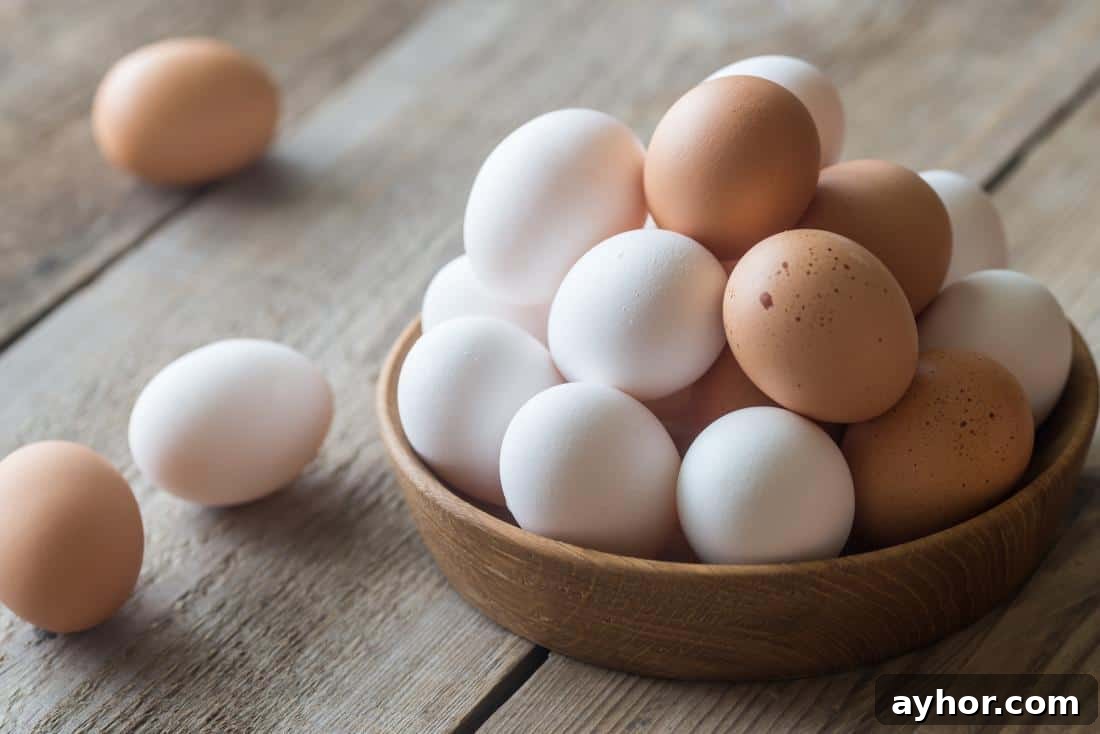
Egg-Free / Vegan Gluten-Free Baking
Eggs contribute a great deal to baked goods: they act as emulsifiers to combine ingredients like oil and water, provide structure and tenderness, add moisture, and aid with leavening. The result is often smooth, creamy, light, fluffy, and moist baked items.
If you avoid eggs for dietary, allergy, or lifestyle reasons—or if you are following a vegan and gluten-free diet—baking can still be successful. The key is choosing suitable egg substitutes and adapting recipes thoughtfully. Below is a practical guide to reliable egg replacements and tips for adjusting recipes for vegan, gluten-free baking.
Practical tips for egg-free gluten-free baking
- Choose the right pan. Quick breads, muffins, and cakes without eggs may lack structural strength; using smaller pans or muffin tins can help maintain shape and produce better results.
- If a recipe calls for more than two eggs, reassess whether converting it to egg-free is realistic. Some recipes rely heavily on eggs for structure.
- When a recipe requires three or more eggs, mix different types of substitutes rather than repeating the same one for every egg. For example, replace three eggs with two portions of one substitute and one portion of another to balance texture.
- Maintain adequate fat in the recipe, especially when replacing multiple eggs. Use higher-fat milks (like coconut or almond milk) or add a small amount of oil to mimic the richness eggs provide.
(Each substitute below replaces one large egg unless noted otherwise.)
Store-bought and ready-made substitutes
Mayonnaise (vegan versions)
Best for: casseroles, dressings, and many quick breads. Vegan mayonnaises restore richness and emulsification in recipes that call for eggs. Look for commercially available vegan mayonnaise alternatives to substitute where an egg or yolk is needed for moisture or binding.
Commercial egg replacers (powdered)
Best for: cookies, cakes, and quick breads. Pre-made egg replacers are convenient and formulated for baking. Choose brands labeled egg-free and gluten-free if you need both. Note: some commercial egg replacer blends contain wheat and are not suitable for gluten-free diets. In recipes that call for egg yolks, add a teaspoon of oil to egg replacer blends to better mimic the fat content of yolks.
Homemade egg substitutes — one egg equivalents
There is no single perfect replacement for eggs across all recipes. Try different options to see which performs best in your specific baked goods.
Homemade Egg Substitute #1
Best for: quick breads, cakes, brownies, and some cookies.
Ingredients for one egg: 1 tablespoon milk powder (dairy, soy, or coconut milk powder), 1 tablespoon cornstarch, 2 tablespoons warm water.
Homemade Egg Substitute #2
Best for: quick breads, cakes, brownies, and some cookies.
Ingredients for one egg: 1 tablespoon canola oil, 2 tablespoons water, 2 teaspoons gluten-free baking powder.
Homemade Egg Substitute #3
Best for: quick breads, cakes, brownies, and some cookies.
Ingredients for one egg: 1/4 cup yogurt (dairy-free options such as soy or coconut yogurt work well), 1/4 teaspoon gluten-free baking powder.
Homemade Egg Substitute #5
Best for: savory dishes and cheesecakes.
Ingredients for one egg: 1/4 cup firm or extra-firm silken tofu, blended until smooth; 1/2 teaspoon gluten-free baking powder.
Homemade Egg Substitute #6
Best for: cookies, quick breads, brownies, and pancakes.
Ingredients for one egg: 1/4 cup applesauce, apple purée, apple butter, canned pumpkin, or mashed ripe banana. Add 1/2 teaspoon baking powder for quick breads and pancakes; omit baking powder for cookies.
Homemade Egg Substitute #7 (Flax egg)
Best for: quick breads, yeast breads, batters, and some cookies.
Ingredients for one egg: 1 tablespoon flaxseed meal, 3 tablespoons very warm water.
Mix flaxseed meal into warm water, stir, and allow it to gel and thicken before adding to the batter. Gently heating over low heat speeds the process and produces a viscous, gelatinous texture that mimics egg binding properties.
When choosing substitutes, consider the role eggs play in the recipe: binding, leavening, richness, or moisture. Combining substitutes (for example, a flax egg plus a small amount of oil) can often provide more balanced results in recipes that originally use multiple eggs.
For more detailed guidance, recipes, and troubleshooting specific to gluten-free and allergy-friendly baking, consult reputable gluten-free cookbooks and resources dedicated to egg-free and vegan baking techniques.