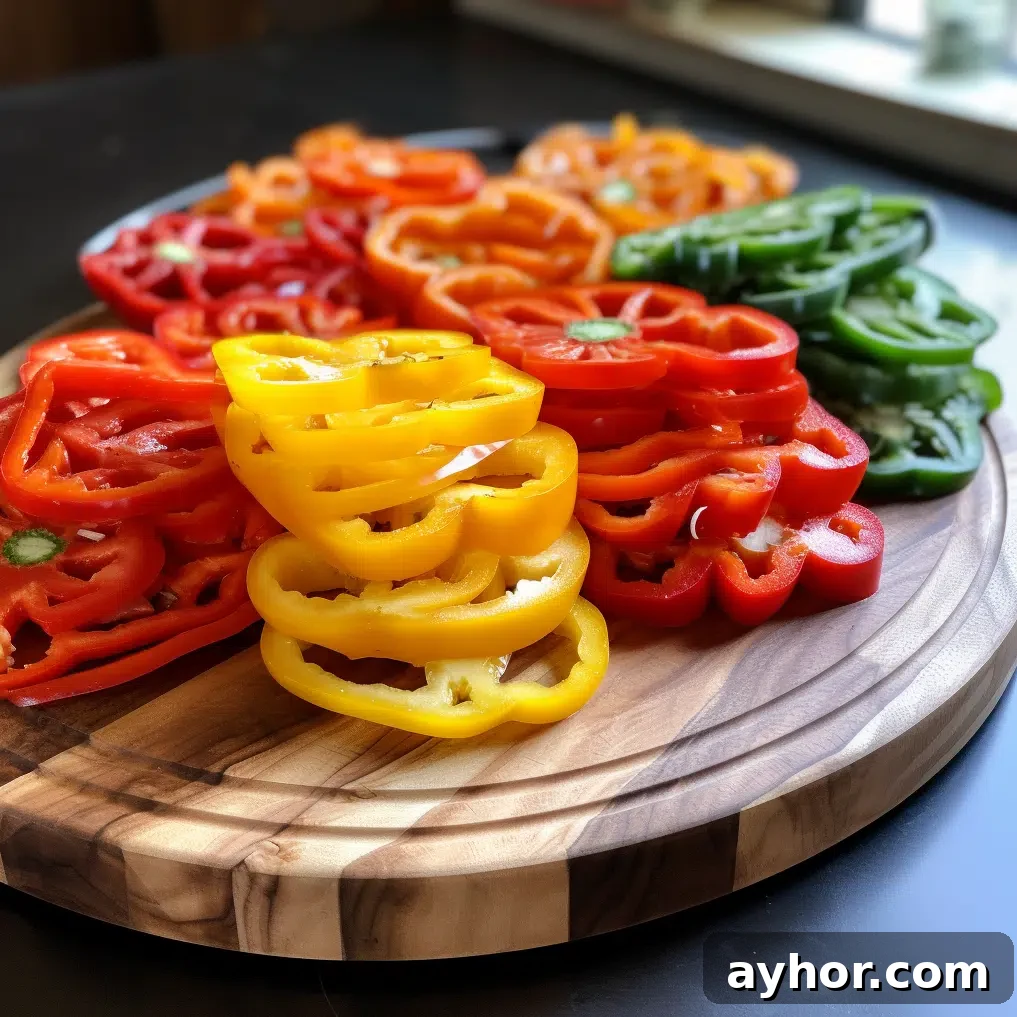
Ever stood in the produce aisle, eyeing a bright pepper and imagining how it could elevate your next taco night? If you love Mexican flavors, this guide is for you. Here we explore ten outstanding Mexican peppers, their tastes, uses, and a bit of culinary history to help you cook with confidence.
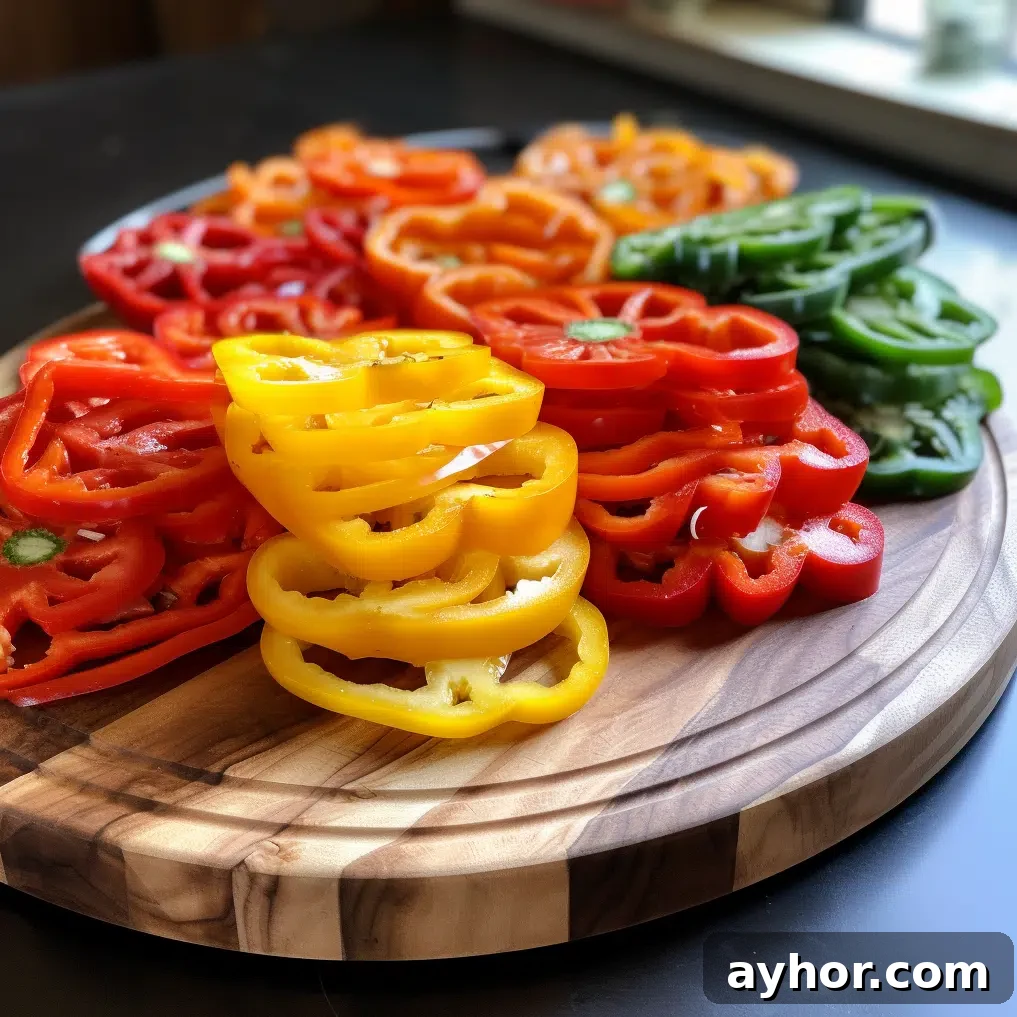
Table of Contents
10 Best Mexican Peppers
Mexican cooking depends heavily on peppers, each contributing a distinct aroma, flavor, and level of heat. Below are ten peppers commonly used in Mexican kitchens and how they perform in recipes.
- Jalapeño: A kitchen workhorse, jalapeños bring moderate heat and bright, grassy flavor. They’re great raw in salsas, pickled, or roasted for softer, smokier notes.
- Poblano: Mild and slightly earthy, poblanos are ideal for stuffing and roasting. Dried poblanos are called ancho and lend a sweet, raisin-like depth to sauces and moles.
- Habanero: Tiny but intense, habaneros deliver high heat with a distinct fruity, citrus character. Use sparingly in hot sauces or marinades when you want serious kick.
- Serrano: Hotter than jalapeños yet still bright and vegetable-forward, serranos are perfect for fresh salsas and dishes that need a sharp heat without smokiness.
- Guajillo: The dried form of the mirasol, guajillo has a tangy, mildly sweet, and subtle smoked profile. It’s a staple in adobos and red sauces.
- Chipotle: Smoked, dried jalapeños—chipotles add a warm, smoky complexity. Their rich flavor works well in barbecue sauces, stews, and adobos.
- Pasilla: Freshly known as chilaca, pasillas are darker and mellow with rich, chocolatey undertones. They pair beautifully in moles and slow-cooked sauces.
- Chiltepin: Often called the wild ancestor of many cultivated chiles, chiltepins are tiny and extremely hot. They’re used as accents rather than bulk ingredients.
- Árbol: Thin and bright red, chiles de árbol are sharp and spicy. They’re commonly toasted and ground into powders or added whole to soups and sauces for steady heat.
- Mulato: Similar to ancho but darker and smokier, mulatos are another dried poblano variety. They bring deep, slightly sweet notes to moles and rich sauces.
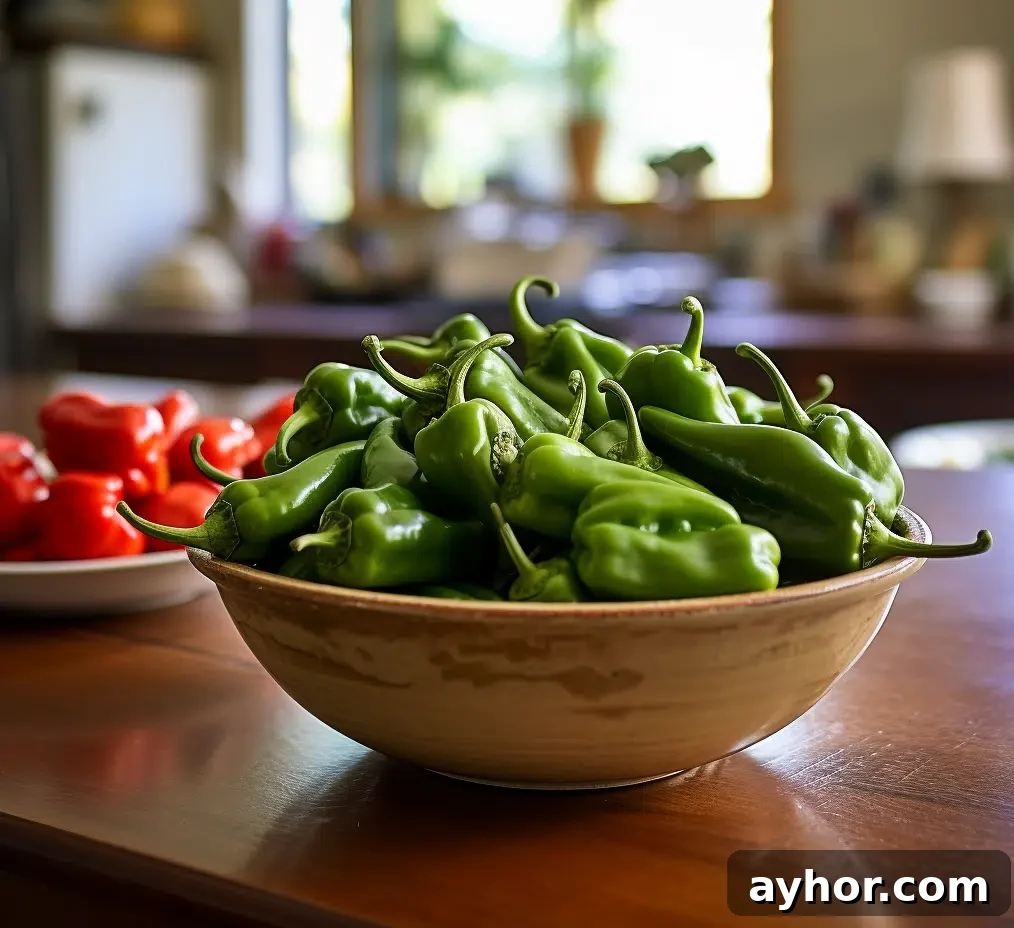
Historical Heat: The Origins of Mexican Peppers
Peppers have been central to Mexican foodways for thousands of years. The Aztecs, Mayans, and other indigenous peoples used them for flavor, preservation, ritual, and medicine. When European explorers encountered these chilies, they transported seeds worldwide, launching the pepper’s global journey. Today, peppers that originated in Mexico shape cuisines across continents.
Savor the Flavor: Distinguishing Between Peppers
Tell apart common peppers by focusing on flavor profile, heat, and texture:
- Ancho: Dried poblano—sweet, mild, and slightly fruity. Excellent in moles and rich sauces.
- Serrano: Fresh, sharp heat with a bright taste. Best used raw or lightly cooked to preserve its bite.
- Chipotle: Smoky and warm; adds a deep backbone to stews, sauces, and grilled dishes.
- Habanero: Fruity and fiery. Use in small amounts to add intense heat and a fragrant citrus edge.
- Pasilla: Milder with complex, earthy notes—ideal for sauces, chiles en nogada, and mole blends.
Using Peppers in Your Daily Meals
Peppers fit every meal of the day. A few ideas to inspire everyday cooking:
- Breakfast: Chilaquiles brightened with chopped serranos or jalapeños.
- Lunch: Roasted poblano stuffed with cheese, beans, or grain for a satisfying midday meal.
- Snack: Classic guacamole with diced jalapeño for balanced heat and freshness.
- Dinner: Mole made from ancho and pasilla chilies served over chicken or turkey for rich, layered flavor.
- Dessert: Chocolate with a hint of habanero for a sweet-and-spicy finish that awakens the palate.
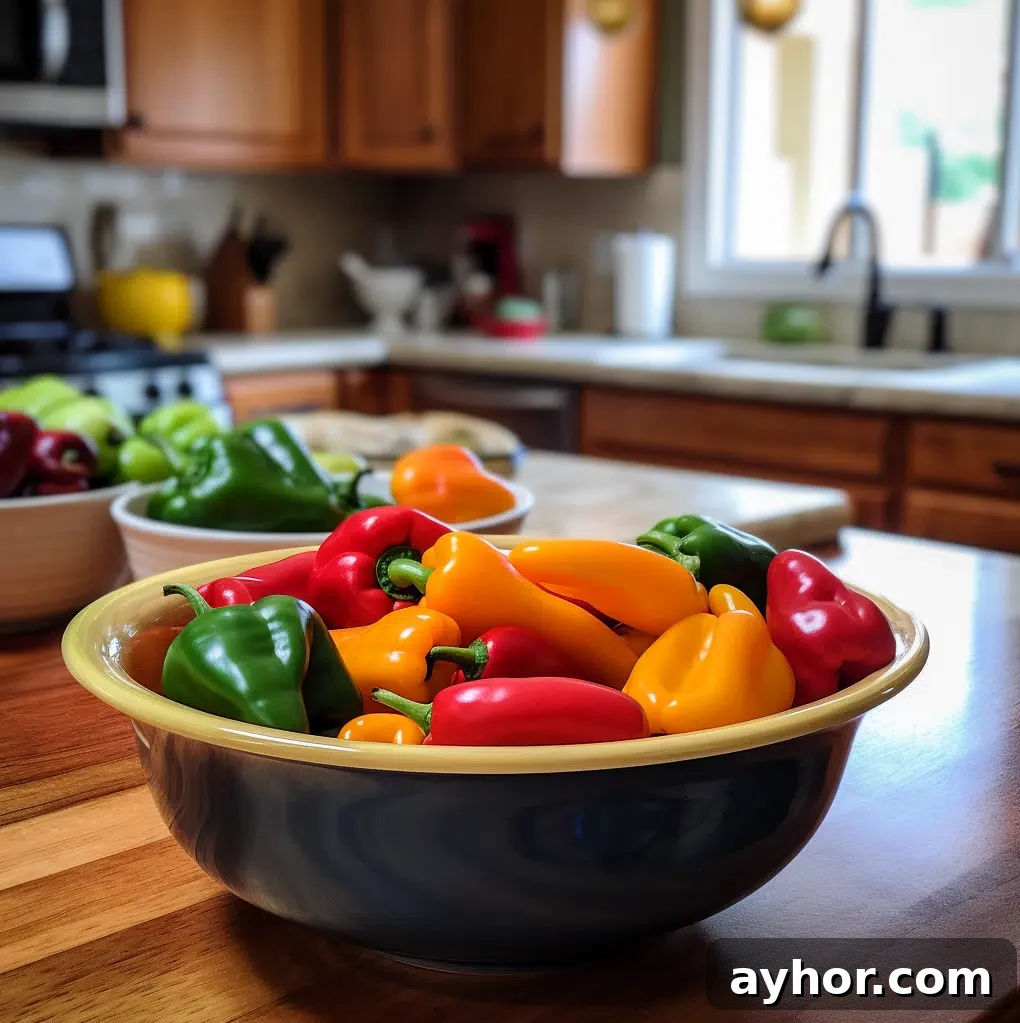
The Global Impact of Mexican Peppers
Mexican peppers have reshaped global cuisine. From the heat in Indian curries to the paprika tradition in Hungary and the spicy flakes used in Korea, chilies from the Americas have been adapted into local spice palettes around the world, enriching recipes and broadening flavor profiles.
Picking the Perfect Pepper
Choose peppers that will perform well in your dish by checking these characteristics:
- Color: Bright, consistent color suggests freshness.
- Texture: Firm, taut skin—avoid wrinkled or soft spots.
- Size: Match the pepper size to the recipe’s needs; size doesn’t always equal heat.
- Stem: A green, healthy stem indicates recent harvest.
- No blemishes: Pass on peppers with mold, bruises, or soft areas.
Storing Your Spicy Stash
Proper storage extends flavor and usability:
- Fridge: Store fresh peppers in the crisper drawer wrapped loosely to maintain moisture.
- Cool, dark place: Keep dried chilies in airtight containers away from light and heat.
- Freezer: Freeze whole or sliced peppers for long-term use; texture softens but flavor remains.
- Drying: Drying surplus peppers is an easy way to preserve them for sauces, powders, and moles.
Frequently Asked Questions
- What’s the spiciest Mexican pepper? Among common varieties, the habanero is typically the hottest used in Mexican cooking.
- How can I tone down a dish that’s too spicy? Dairy—such as sour cream, milk, or cheese—helps neutralize capsaicin and reduce perceived heat.
- Can I grow these peppers at home? Yes. Most Mexican pepper varieties grow well in home gardens or containers with adequate sun and warmth.
- Why are some peppers spicier than others? Spiciness depends on capsaicin concentration; higher capsaicin means more heat.
- Are all Mexican peppers spicy? No. Some, like bell peppers and certain poblanos, offer flavor without significant heat.
- How can I tell if a pepper is spicy before tasting? Smaller peppers often contain more heat, and familiar varieties can be judged by shape and color, but checking a Scoville rating or tasting a small piece is the most reliable method.