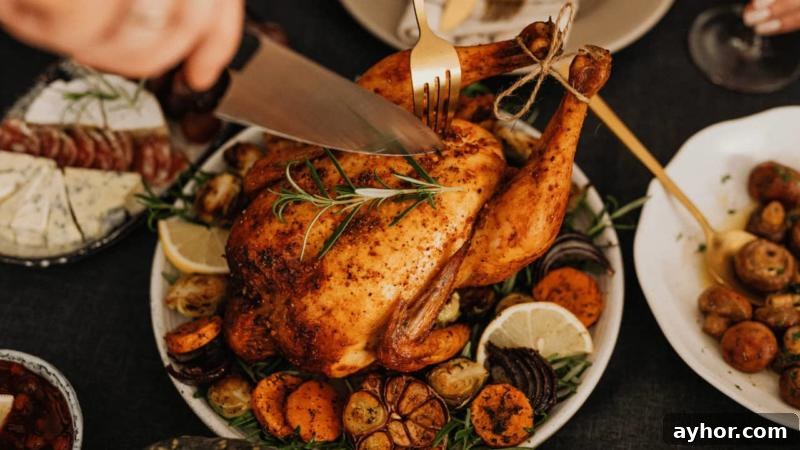
How Much Does A Whole Duck Cost?
In the United States, duck meat is typically sold by the pound and is available in various forms: whole, de-feathered birds with innards removed, or further processed cuts such as boneless duck breast. The more processing involved, the higher the price is likely to be.
This article focuses on whole, uncut ducks, while also comparing cooked and uncooked pricing and explaining why duck often carries a premium over other poultry.
Table of Contents
Toggle
How much does a whole duck cost?
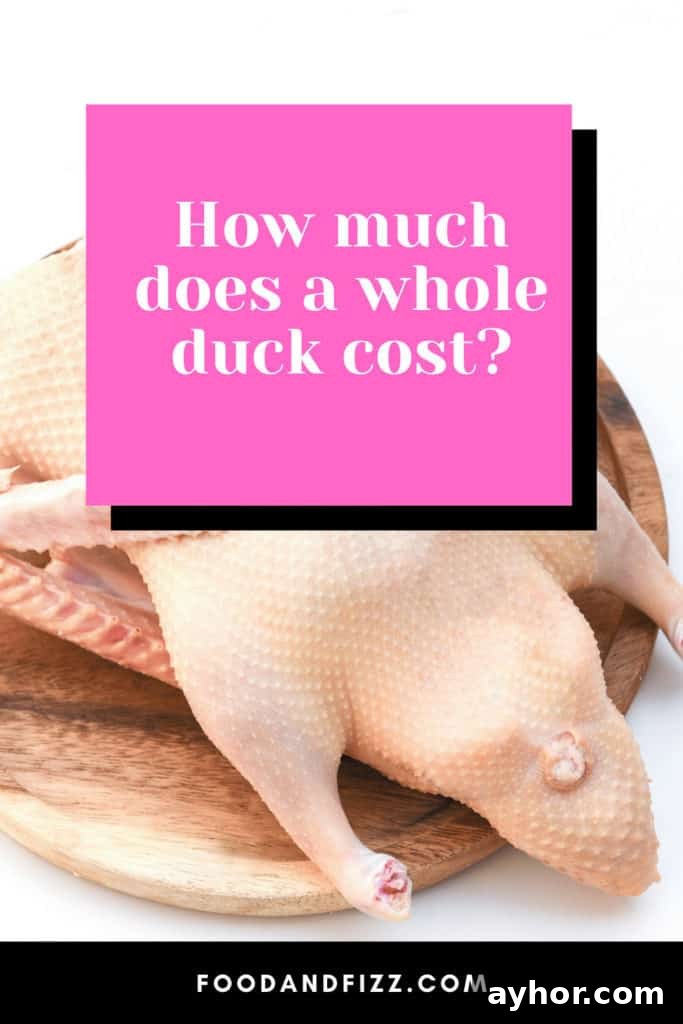
As a general guide, a whole uncooked duck (around 3.3 lb / 1.5 kg) costs roughly $24 in the US. A whole cooked Peking-style duck for takeaway typically runs around $70 in the US, while sit-down restaurant preparations are usually more expensive due to service charges and dining overheads.
What the heck is ‘halal’ duck?
Halal refers to what is permissible under Islamic law. When applied to duck, halal indicates the bird was slaughtered according to the required ritual. Properly slaughtered duck is considered halal by relevant authorities and is acceptable for consumption by observant Muslims.
What the heck is ‘kosher’ duck?
Kosher describes adherence to Jewish dietary laws. Kosher duck must meet those religious rules and be certified by an appropriate authority to be labeled kosher.
Uncooked, whole duck prices. US and UK compared.
Prices below refer to whole ducks averaging about 3.3 lb (1.5 kg):
USA – $24
US Kosher – $62
UK – £24 (roughly $34)
UK Halal – £25 (roughly $36)
Roast duck in-restaurant dining, the US and UK compared.
Restaurant prices reflect preparation, service, and overheads:
USA – around $70 for a whole roast Peking-style duck (takeaway prices may vary).
UK – around £38 (about $54) for a restaurant-served roast duck.
Why duck meat is expensive
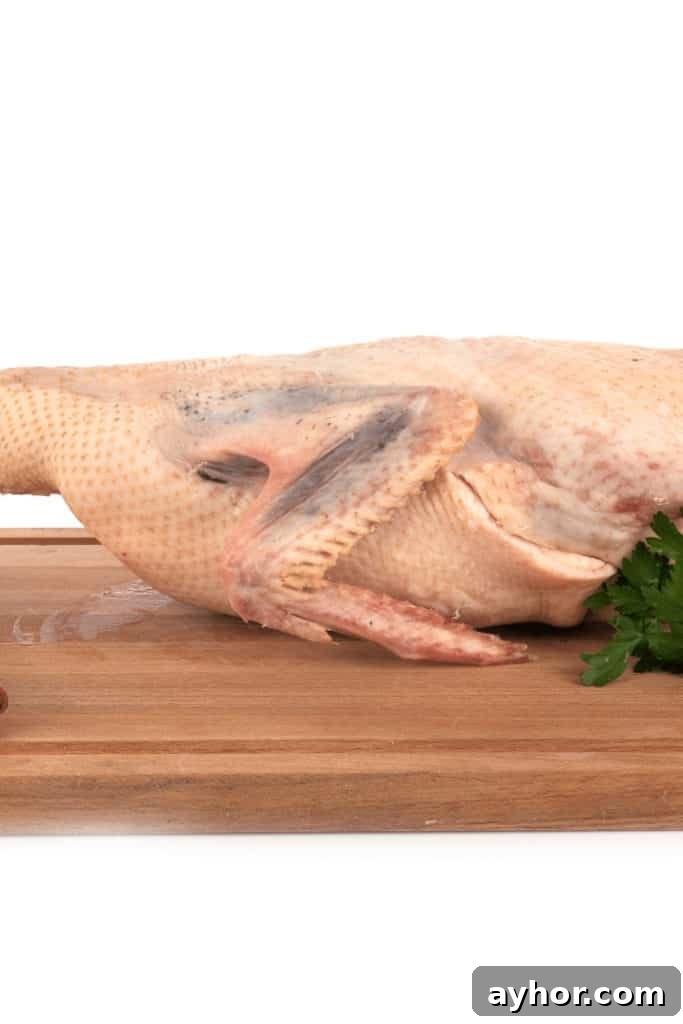
Several factors push duck prices higher than many other poultry options. These include the bird’s growth and tenderness characteristics, higher rearing costs, smaller consumer demand in some markets, and the positioning of duck as a premium menu item in restaurants.
Old duck is tough
Ducks toughen with age, so farmers typically slaughter at a young age to ensure tenderness. Producers often harvest when pin feathers are no longer present to balance flavor and texture. Typical timelines for tenderness are roughly:
- 7–8 weeks — very tender
- 12 weeks — tender
- 18–19 weeks — less tender
It costs more to raise ducks
Raising ducks is generally more expensive than raising chickens. Ducklings cost more to purchase, require more space, and need different housing and management. For example, ducklings often cost roughly twice what comparable chicks cost, and ducks can require about three times the space of chickens due to their toileting and activity needs. These higher input costs are reflected in the retail price.
Duck isn’t all that in modern America
Demand for duck in the United States remains relatively low compared with chicken. Per-capita duck consumption has declined over decades and sits at a small fraction of annual chicken consumption. Lower demand means smaller production runs and fewer economies of scale, which keeps prices higher than for more widely consumed poultry.
Current figures show Americans eat only a fraction of a pound of duck per year per person, while chicken consumption is nearly 100 pounds per person annually. This difference in scale affects production efficiency and price.
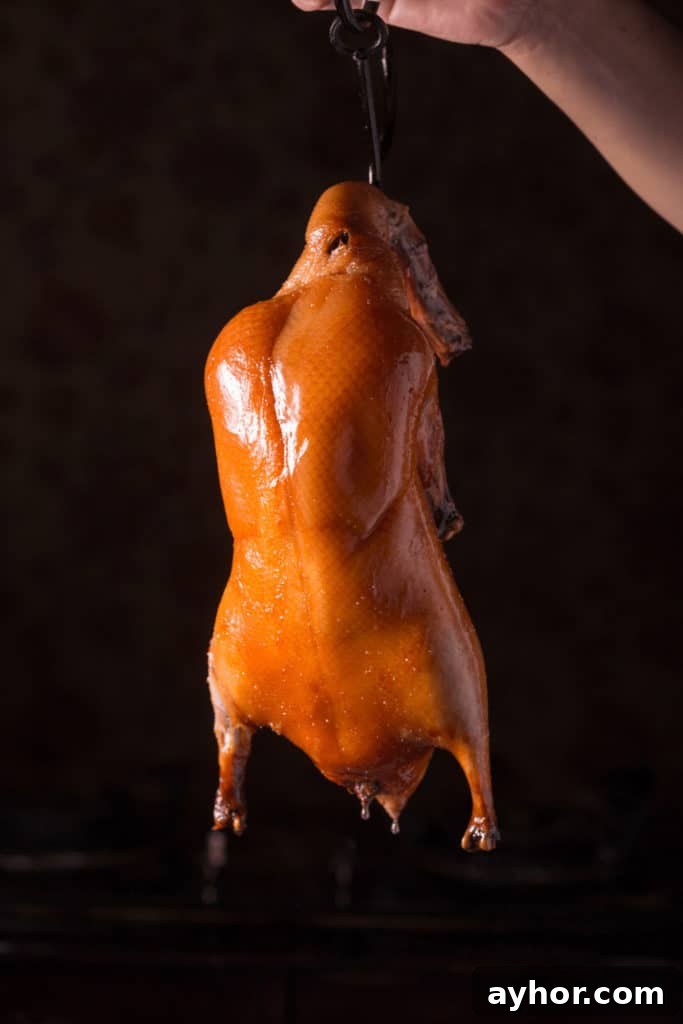
It’s the dish of well-heeled expensive restaurant patrons
In many regions, duck appears most often on upscale restaurant menus. Dining experiences at higher-end establishments factor in service, ambiance, and premium ingredients, which raises the price of a plated duck far above simple retail costs. Chefs often select the best cuts and accompany duck with high-quality sides and sauces, contributing to the premium.
Duck actually delivers more nutrients than does chicken
Duck meat is richer in calories, fat, iron, and some minerals compared with chicken. That higher nutrient density means smaller portions can be satisfying, and the meat provides substantial protein and iron—important for energy and blood health. A serving of duck can deliver a significant portion of daily protein needs.
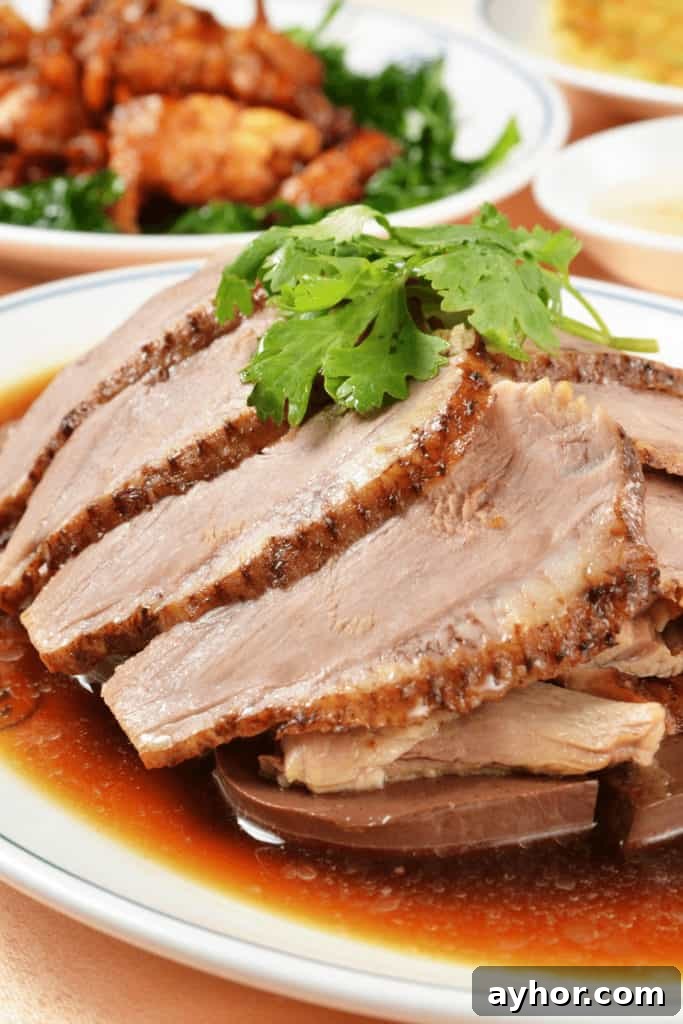
Duck tastes so dang good!
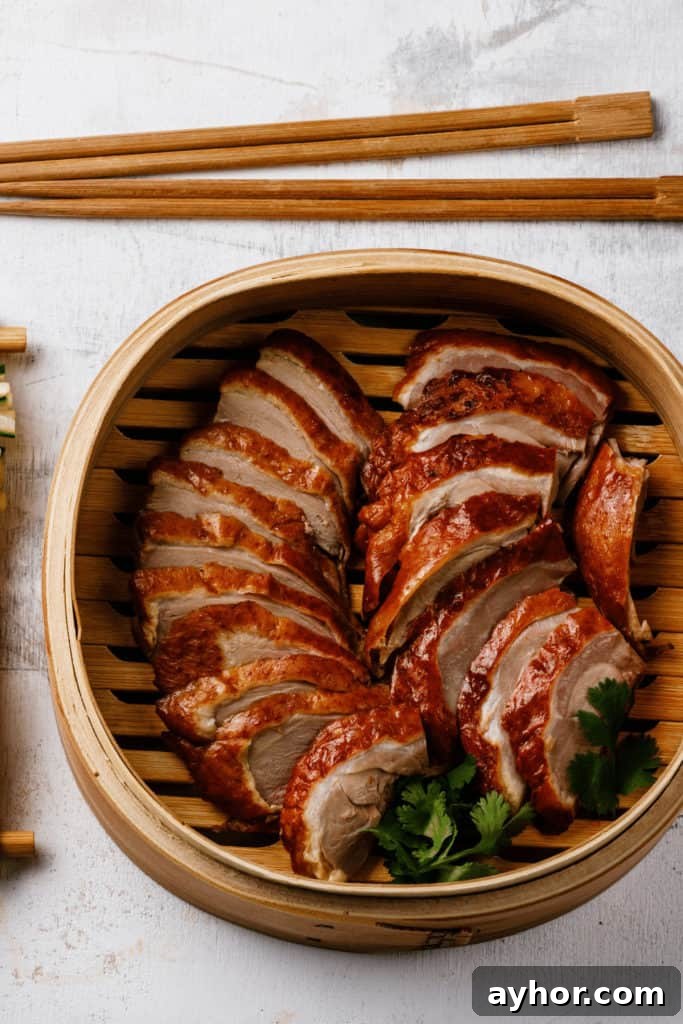
Peking duck is celebrated for its crisp, flavorful skin and rich meat. Traditional service involves carving the duck in view of diners, serving the crispy skin with a special sauce, and presenting the sliced meat. Duck’s flavor is often described as richer and more intense than chicken, with a distinctive fattiness that carries a lot of the taste. Preserving some of that fat during cooking enhances flavor and texture.
Frequently Asked Questions About How Much Does A Whole Duck Cost
Which is the more expensive, free-range or caged duck?
Free-range ducks generally cost more than caged or intensively farmed ducks. Free-range or barn-raised systems typically require higher labor and infrastructure costs, and producers price those ducks accordingly.
Do hormones unfairly raise the price of ducks?
In the United States it is illegal to administer growth hormones to poultry, and this prohibition has been in place for decades. Hormone use is not a factor driving duck prices in the U.S.
Afterword: How much does a whole duck cost?
Duck typically costs more than chicken for a variety of justified reasons: rearing expenses, smaller production volumes, and its status as a flavorful, nutrient-dense, and often premium menu item. While uncooked whole ducks show similar retail pricing in the US and UK, restaurant-prepared whole ducks tend to be pricier in the US. High-end venues can charge substantially more for specialty whole-duck preparations, reflecting the dining experience and ingredient quality.