For years I’ve wanted to keep bees. Bees play a vital role in our ecosystem by pollinating much of the produce we eat, and they make delicious honey as a bonus. I bought books, took a class, joined a local beekeepers club and collected the gear—then stalled. I blamed moving, the season, and a dozen other things, when the real reason was simple: I felt overwhelmed. Beekeeping seemed intimidating, and I worried I’d lift a hive box and have no idea what to do next.
Just as I’d shoved my equipment into basement storage, Sean from Killer Bees Honey reached out to offer a jar of honey to try. I eagerly accepted. When the sourwood honey arrived, I was smitten. I’ve always loved honey, but this was something special. Their site describes the product as 91% pure sourwood sourced from bees foraging in a national forest and testing free of chemicals—an unusually pure product in the U.S.
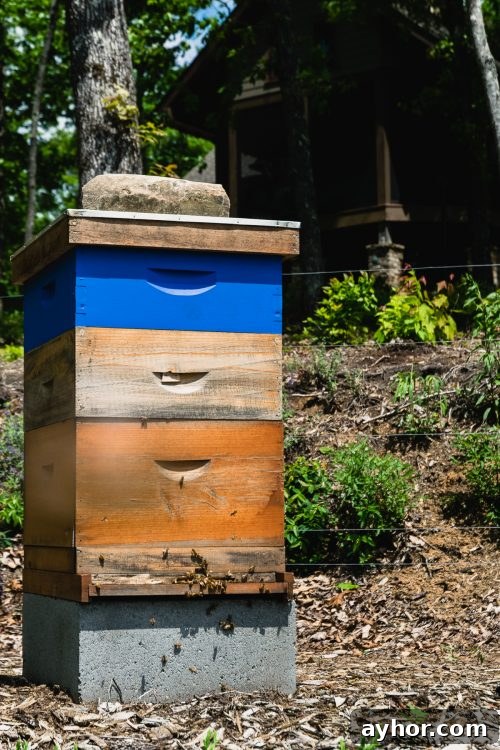
Sean invited me to visit their apiary, and I couldn’t wait. I recently drove to the Killer Bees apiary in Lake Toxaway, North Carolina, to see firsthand how experienced beekeepers manage hives.
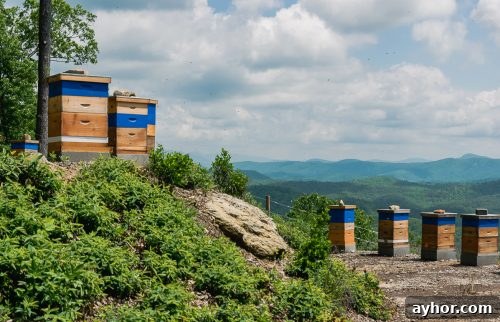
The apiary is perched on the side of a mountain with a spectacular view—an enviable workspace for anyone who works outside. The bees there clearly have a good life.
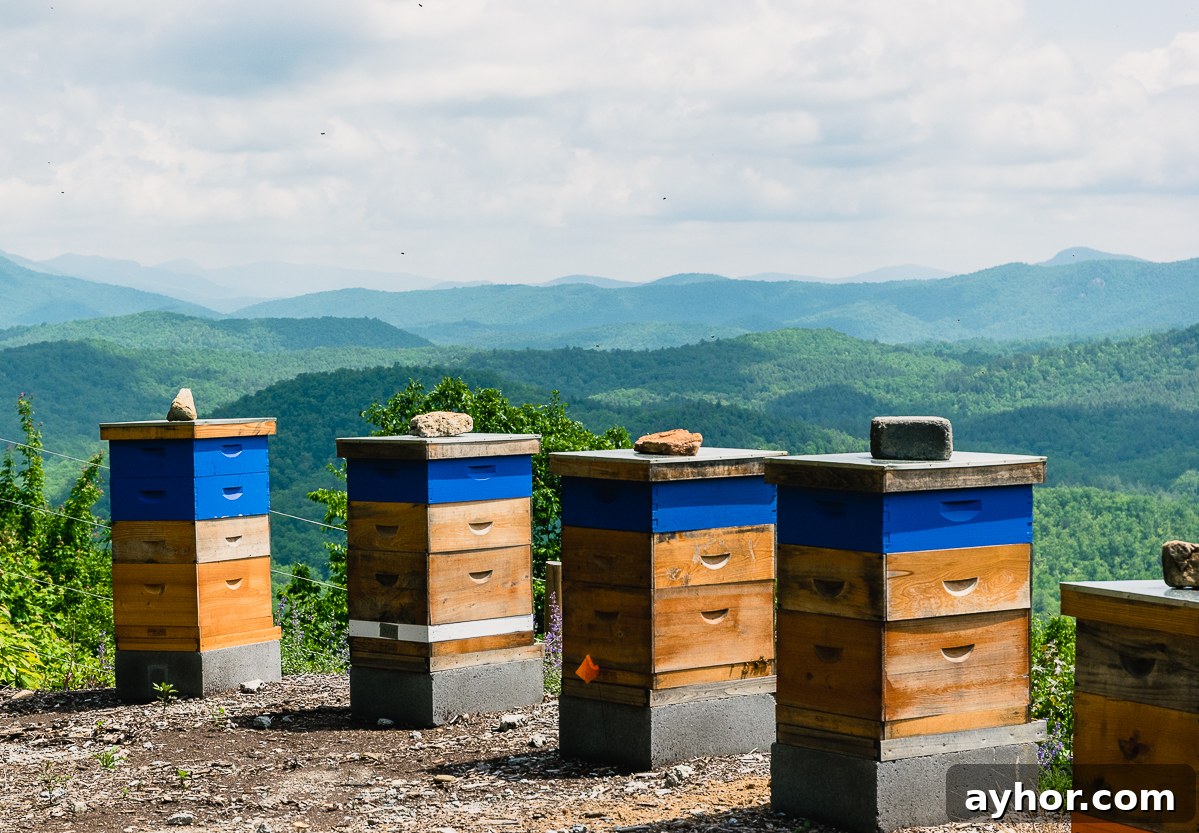
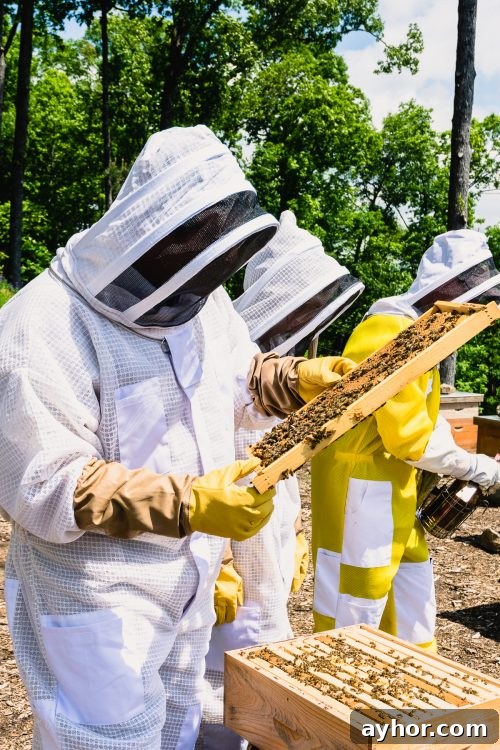
The beekeepers explained the bee lifecycle and walked me through common equipment. Then it was time to suit up and inspect the hives. Going into the hives with seasoned beekeepers made me comfortable; I wasn’t afraid of making mistakes. Although Sean joked about how often he gets stung, I felt calm with the protective suit—and thankfully I didn’t get stung at all.
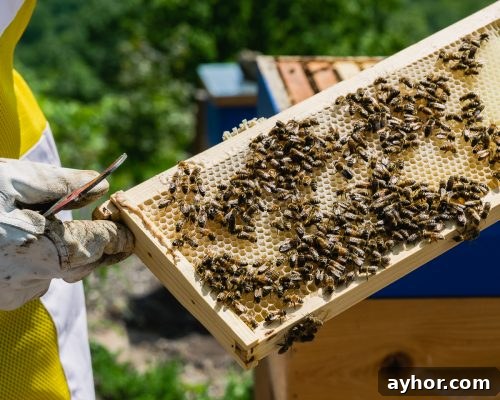
The worker bees were busy collecting nectar and pollen, so they largely ignored our presence. Watching bees return to the hive loaded with pollen was fascinating.
After the hive inspection, we took off the suits and moved on to a honey tasting. Sean and his wife, Denise, know honey inside and out—Sean is even working toward becoming a certified honey sommelier. We sampled three of their honeys: wildflower, sourwood and a blend that includes chestnut (from a tree becoming increasingly rare). They also brought a chestnut honey imported from Italy, which had a distinct flavor profile.
I left with five bottles of honey—though we opened one that first weekend, so it may not last long. Killer Bees Honey now offers public tours if you’d like to visit and learn more about their operation.
The most valuable outcome of the visit was personal: the tour erased my fear of beekeeping. Hands-on experience with knowledgeable beekeepers gave me the confidence I needed. Whether you’re considering keeping bees yourself or simply love artisanal honey, visiting a working apiary is rewarding.
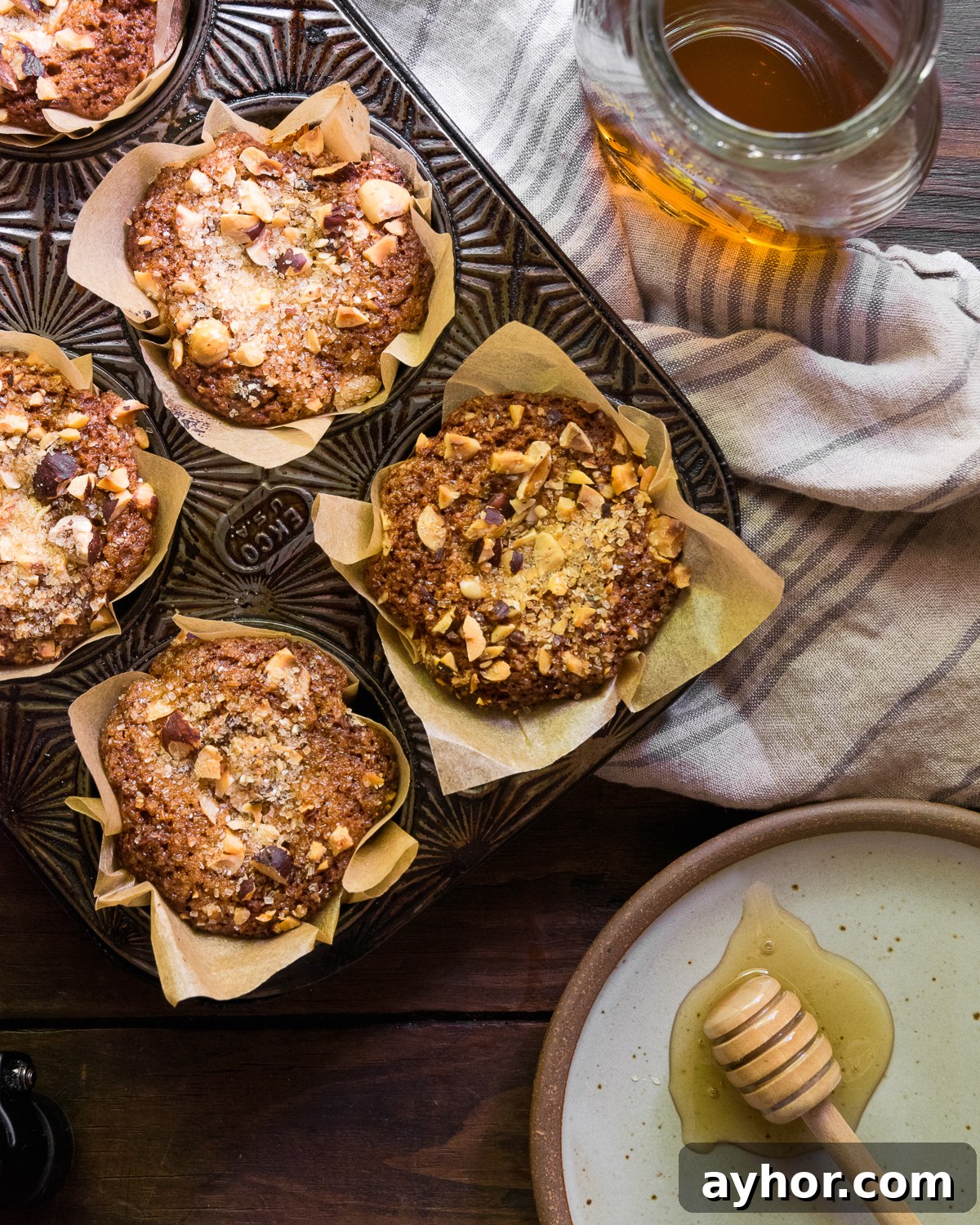
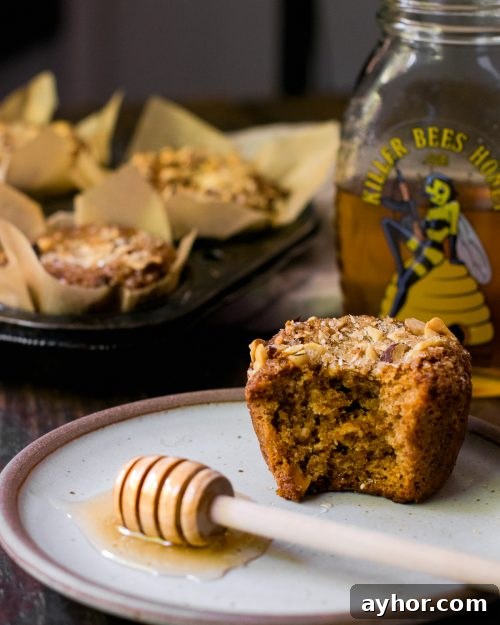
With a pantry full of exceptional honey, I’m naturally thinking about baking. Below is a recipe inspired by my trip—simple, gluten-free muffins that highlight hazelnuts and honey. Enjoy!
Recipe
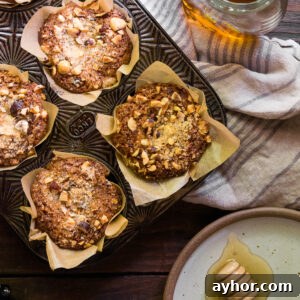
Gluten Free Hazelnut Honey Muffins
Print
Pin
Rate
Ingredients
- ½ Cup Hazelnut Flour
- ½ Cup Gluten Free 1 to 1 Flour Blend
- 1 teaspoon Baking Powder
- ½ teaspoon Cinnamon
- ¼ teaspoon Salt
- ⅓ Cup Sugar
- 1 Egg
- 3 Tablespoon Olive Oil
- ½ Cup Killer Bees Sourwood Blonde Honey
- 1 Tablespoon Non-Dairy Milk
- ½ Cup Hazelnuts roughly chopped
Instructions
-
Preheat oven to 400 degrees. Line a muffin tin with baking cups. This recipe makes 6 regular-size muffins.
-
In a large bowl, combine flours, baking powder, cinnamon, salt and sugar. Mix well and set aside.
-
Whisk the egg in a small bowl until frothy, then add olive oil, milk and honey. Stir to combine. Fold the wet ingredients into the dry with a spatula, about 15–20 strokes. Gently fold in about two-thirds of the chopped hazelnuts.
-
Scoop batter into prepared muffin cups. Top with remaining nuts and, if desired, a sprinkle of coarse sugar. Bake at 400°F for 2 minutes, then reduce the oven to 375°F and bake another 25 minutes, or until the tops spring back when lightly touched.
-
Transfer muffins to a wire rack to cool.