
Wondering if oats are gluten-free? You’re in the right place! The answer is: it depends.
This post gives the quick answer and the more detailed information you need.

Oats are a pantry staple used for overnight oats, baked oats, instant oats, cookies, muffins, and even savory dishes. If you have celiac disease, a wheat allergy, or gluten sensitivity, you likely want to know whether oats are safe to eat.
Oats are often debated in the celiac community, so you might hear different answers. This guide explains what you need to know about oats and gluten-free eating.
SHORT ANSWER: Are Oats Gluten-Free?
It depends.
Pure oats are naturally gluten-free, but they can be contaminated with wheat, rye, or barley during growing, transport, or processing.
Cross-contact can happen if oats are transported in shared vehicles, processed on shared equipment, or packaged in facilities that also handle gluten-containing grains.
The only reliable way to be sure your oats are gluten-free is to buy oats labeled and certified gluten-free.
Are All Oats Gluten-Free?
No—while oats themselves do not contain gluten, many oat products risk cross-contact with gluten-containing grains. Because of that, not all oats on the market are safe for someone who needs to avoid gluten.
Look for a certified gluten-free label. Certified products are processed in dedicated facilities or on segregated lines and are tested to meet the standard of less than 20 ppm (parts per million) gluten.

Oats work well in many gluten-free recipes, including overnight oats made with certified gluten-free oats.
How Do You Know Which Oats Are Gluten-Free?
The easiest way is to check the package for a gluten-free certification or label. Ingredients lists may not show wheat because oats themselves are the ingredient, but labeling tells you whether the brand controls cross-contact risks.
Certified gluten-free oats are tested to ensure gluten levels are below the 20 ppm threshold used by many regulatory bodies. You can also research a brand’s processing practices—companies that use separate facilities or dedicated lines are less likely to have cross-contact.
Are Quaker Oats Gluten-Free?
Not all Quaker oats are gluten-free. Quaker offers certified gluten-free oats made in a separate facility and tested to meet the gluten-free standard, while their regular oats are not certified.
Quaker describes a thorough cleaning and sorting process for their gluten-free line, including mechanical and optical sorting, testing checkpoints during milling, dedicated equipment, validated ingredient sourcing, careful packaging procedures, and final inspections to verify gluten-free claims.
Are Rolled Oats Gluten-Free?
Some rolled oats are gluten-free and some are not—contamination risk is the determining factor. If a brand packages and tests rolled oats as gluten-free, you can trust that product. Otherwise, there may be cross-contact during harvest, storage, or processing.
Examples of brands offering gluten-free rolled oats include Bob’s Red Mill Gluten-Free Rolled Oats, One Degree Organic Sprouted Rolled Oats, and Nature’s Path Organic Gluten Free Old-Fashioned Oats, among others. Always confirm the current labeling on the package you buy.

Are Steel Cut Oats Gluten-Free?
Steel cut oats follow the same rule: some are certified gluten-free, others are not. Cross-contact can occur during transport or processing, so choose certified gluten-free steel cut oats if you need to avoid gluten.
Common gluten-free steel cut oat options include Bob’s Red Mill Organic Gluten-Free Steel Cut Oats, Arrowhead Mills Organic Steel Cut Oats (gluten-free), and other brands that label their products as gluten-free. Check packaging for the most up-to-date certification.
Are Whole Grain Oats Gluten-Free?
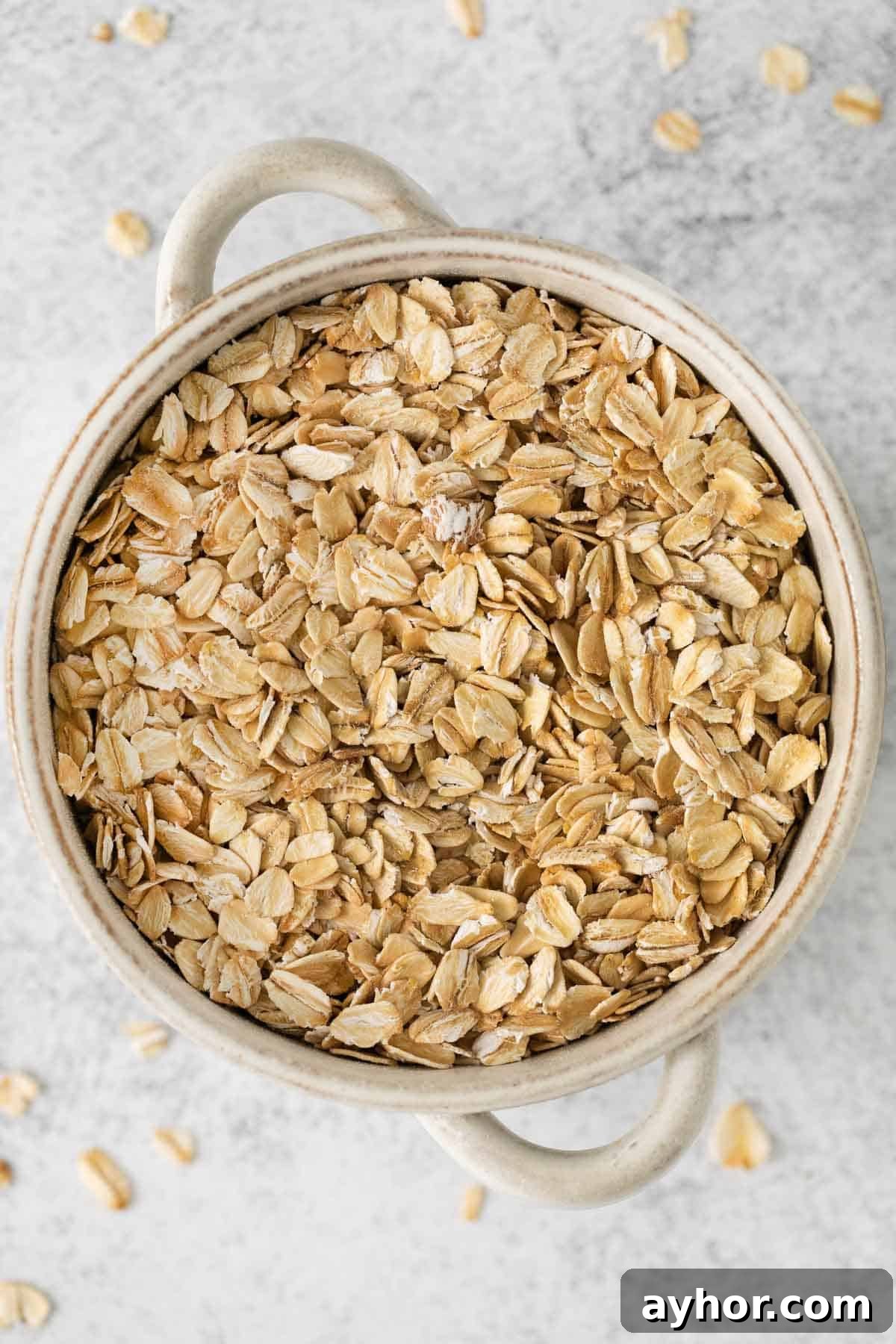
Whole grain oats are not automatically gluten-free. The only way to be confident is to purchase certified gluten-free whole grain oats. Without certification, there’s a risk of contamination with wheat, rye, or barley during the supply chain.
Is Oat Flour Gluten-Free?
Oat flour may or may not be gluten-free. Regular oat flour can be cross-contaminated in facilities that handle wheat or other gluten-containing grains.
If you need gluten-free oat flour for baking, use certified gluten-free oat flour. Certified oat flour is milled and packaged in controlled conditions and tested to meet the gluten-free threshold.
You can also make oat flour at home by grinding certified gluten-free oats in a blender or food processor, which ensures the flour remains uncontaminated.
Below are several popular oat-flour-based recipes and ideas you can adapt using certified gluten-free oats or oat flour:
- Oat Flour Pancakes
- Oat Flour Brownies
- Oat Flour Waffles
- Oat Flour Chocolate Chip Cookies
- Oat Flour Muffins
- Oat Flour Banana Bread
- Oat Flour Banana Muffins
GLUTEN-FREE RECIPES USING OATS

The Best Gluten-Free Oatmeal Chocolate Chip Cookies

Banana Oat Egg Pancakes
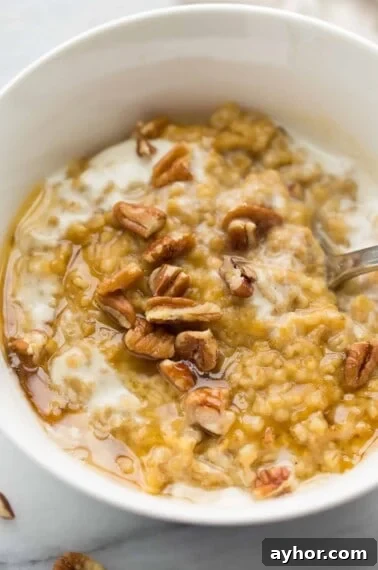
Instant Pot Creamy Pumpkin Maple Oatmeal

Gluten-Free Oatmeal Raisin Cookies

Oat Flour Waffles
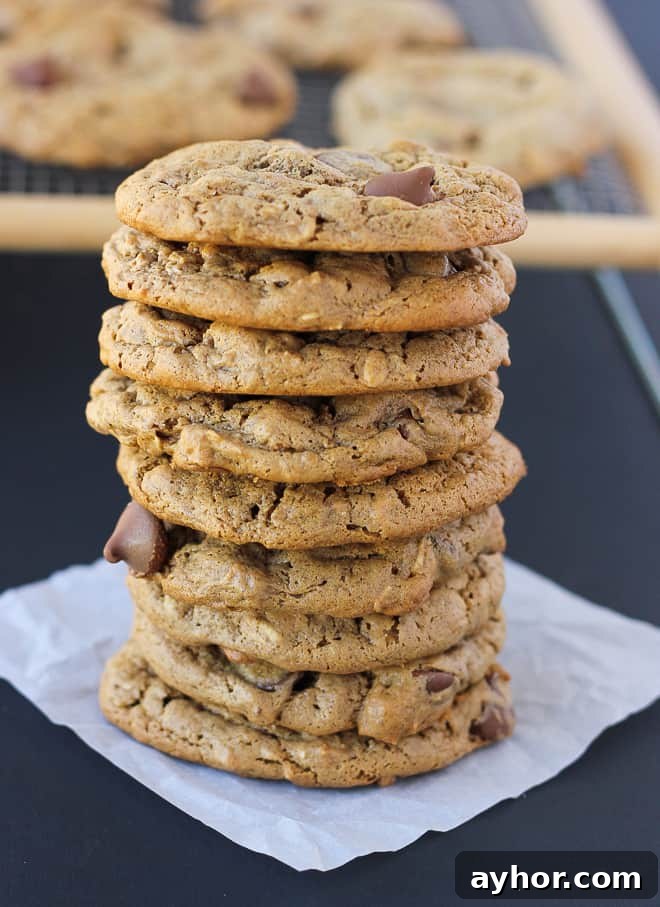
Flourless Oatmeal Almond Butter Cookies
The Bottom Line
Are oats gluten-free?
Sometimes.
Oats themselves do not contain gluten, but cross-contact with wheat, rye, or barley can occur during farming, storage, processing, or packaging.
If you require a gluten-free diet, choose oats that are labeled and certified gluten-free. Those products are manufactured and tested to reduce the risk of contamination and to meet accepted gluten-free limits.
MORE ARTICLES ON GLUTEN-FREE LIVING

5 Gluten-Free Halloween Treats To Bake This Week

Top 15 BEST Gluten-Free Pumpkin Recipes
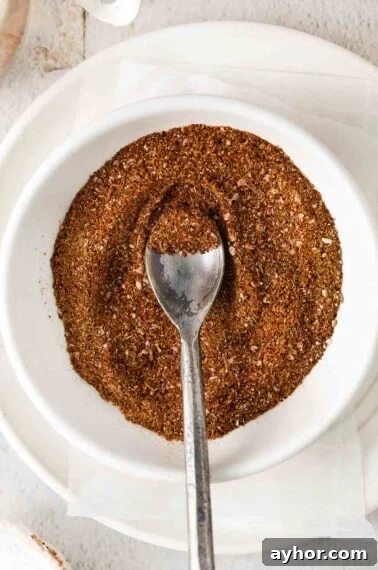
Gluten-Free Taco Seasoning

The 25 BEST Gluten-Free Thanksgiving Desserts

Are Swedish Fish Gluten-Free?