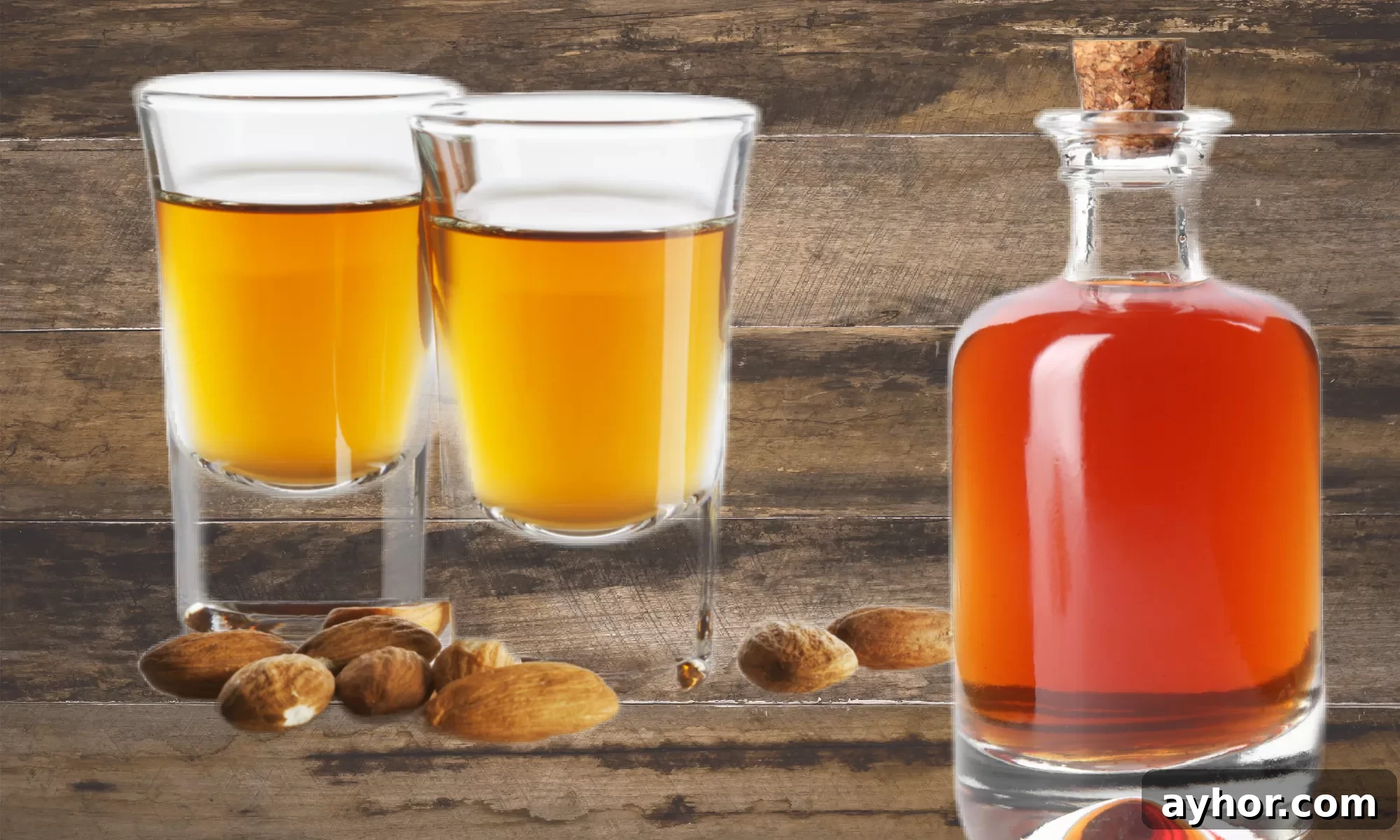
This distinctive flavoring hails from Italy and is worth discovering: amaretto extract. A versatile ingredient in baking and confectionery, it brings a nutty, sweet and gently bitter complexity to a wide range of dishes.
Amaretto extract shares similarities with almond extract, but it has its own character. The name amaretto comes from the Italian for “a little bitter,” and that hint of bitterness is part of its appeal. Below you’ll find what amaretto extract is, how it differs from almond extract, how to use it, recipe ideas, and guidance for choosing a high-quality product.
Let’s explore amaretto extract in more detail.
What is amaretto extract?
Amaretto extract is a concentrated liquid flavoring traditionally derived from the kernels of apricot pits or peach pits, and sometimes from almonds. Those bitter almond-like kernels are macerated in alcohol—often neutral spirit or vodka—sometimes with sweeteners such as sugar or honey. Over time the alcohol extracts aromatic compounds from the kernels and other ingredients, and once filtered the result is a potent amaretto extract.
Because it is highly concentrated, use amaretto extract sparingly. A few drops can transform a batter, batter glaze, custard, or hot drink; start small and increase to taste.
Key differences between amaretto extract and almond extract
The primary difference is flavor. Both amaretto extract and almond extract are nutty, but amaretto typically carries a subtle bitterness and sometimes fruity or cherry-like undertones from apricot or peach kernels. Almond extract, by contrast, often relies on bitter almond oil and delivers a cleaner, more direct almond note without the same bitter or fruit-like nuances.
Amaretto extract can also include sweeteners or vanilla blends that add depth, so it can taste smoother and slightly sweeter than straight almond extract. While the two are interchangeable in many recipes, be aware that amaretto will introduce additional complexity—use it when you want that distinctive amaretto profile.
How to use amaretto extract in recipes
Amaretto extract is ideal for baking and for flavoring beverages like coffee, tea, and hot chocolate. A little goes a long way: try 1/4 to 1/2 teaspoon of extract to replace 2 tablespoons of amaretto liqueur in baked goods, or begin with roughly 1/2 teaspoon for general flavoring and adjust to taste.
When used in baking as a substitute for liqueur, the alcohol in the extract largely evaporates, leaving the flavor without adding alcohol content. Because the extract is concentrated, add gradually so you don’t overpower your recipe.
3 great recipes to use your amaretto extract
Amaretto extract enhances many dishes and can often replace almond extract for an evolved flavor profile. Try it in these ideas:
- Cherry amaretto ice cream: Use blended cherries and a dairy-free base such as coconut milk, adding amaretto extract for a pronounced nutty-fruity dimension.
- Almond flour pancakes: Swap almond extract for amaretto extract in almond flour pancakes to introduce a sweet-bitter accent that pairs well with fruit toppings and maple syrup.
- Almond flour cake: Combine a small amount of almond extract with equal parts amaretto extract to layer classic almond notes with the unique undertones of amaretto.
How to choose the best amaretto extract
Choosing a high-quality amaretto extract comes down to a few important factors:
- Ingredients: Prefer products with natural ingredients and avoid unnecessary artificial colors or flavors.
- Consumer feedback: Reviews offer insight into flavor balance and real-world performance in baking and beverages.
- Brand track record: Look for transparent labeling, consistent quality, and reputable customer service.
- Price: Extracts vary widely in cost; balance budget and ingredient quality when selecting a product.
Using these criteria will help you find an amaretto extract that suits your taste and cooking needs.
#1 Best Overall: OliveNation
OliveNation earns high marks for a well-balanced, natural-tasting amaretto extract made from almond and apricot kernels. It delivers a clear amaretto profile—nutty with gentle bitterness—at an affordable price, making it a reliable choice for home bakers and professionals alike.
Ingredients: Water, alcohol, propylene glycol and natural flavors.
#2 Best GMO-Free: Native Vanilla
Native Vanilla offers a natural, sustainably produced amaretto extract that is GMO-free and kosher-certified. The extract blends natural oil of bitter almond and vanilla, producing a pleasant, rounded flavor well-suited to baking and beverages.
Ingredients: Alcohol, water, natural oil of bitter almond, and vanilla beans.
#3 Best Kosher: Vanilla Bean Kings
Vanilla Bean Kings provides a balanced amaretto extract that is kosher-certified, non-GMO, gluten-free and sugar-free. It offers a reliable amaretto note with clean, consistent flavor that works well in baked goods and confections.
Ingredients: Alcohol, water, natural oil of bitter almond, and select Madagascar vanilla beans.
#4 Honorable Mention: Beanilla
Beanilla’s amaretto extract is a solid, gluten-free and kosher option. It’s smooth and versatile, though less widely reviewed than other brands. If you prefer understated, natural extracts, this is a good pantry addition.
Ingredients: Natural flavors, alcohol and water.
#5 Best Organic: Nature’s Flavors
For those prioritizing organic ingredients, Nature’s Flavors produces a flavorful organic amaretto extract. It delivers strong amaretto character without synthetic additives, though it tends to be pricier than conventional extracts.
Ingredients: Organic cane alcohol and natural flavors.
#6 Best Keto: Amoretti
Amoretti offers a keto-friendly amaretto extract that avoids preservatives and artificial colors. It’s gluten-free, vegan-friendly and kosher-certified, making it a versatile premium option for dietary-conscious cooks.
Ingredients: Natural amaretto flavor (flavor contains vegetable glycerin).
Other extracts we reviewed
Not every product is a true alcohol-based extract. Some popular brands produce emulsions or water-based flavorings rather than alcohol extracts. Emulsions behave differently in cooking and baking: their flavors can persist more in high-heat applications because their boiling points differ.
When choosing an amaretto product, check the ingredient list for natural versus artificial flavors and decide whether you prefer an alcohol-based extract or an emulsion depending on how you plan to use it. The natural, alcohol-extracted options listed above provide authentic amaretto character and perform well in both baking and beverages.