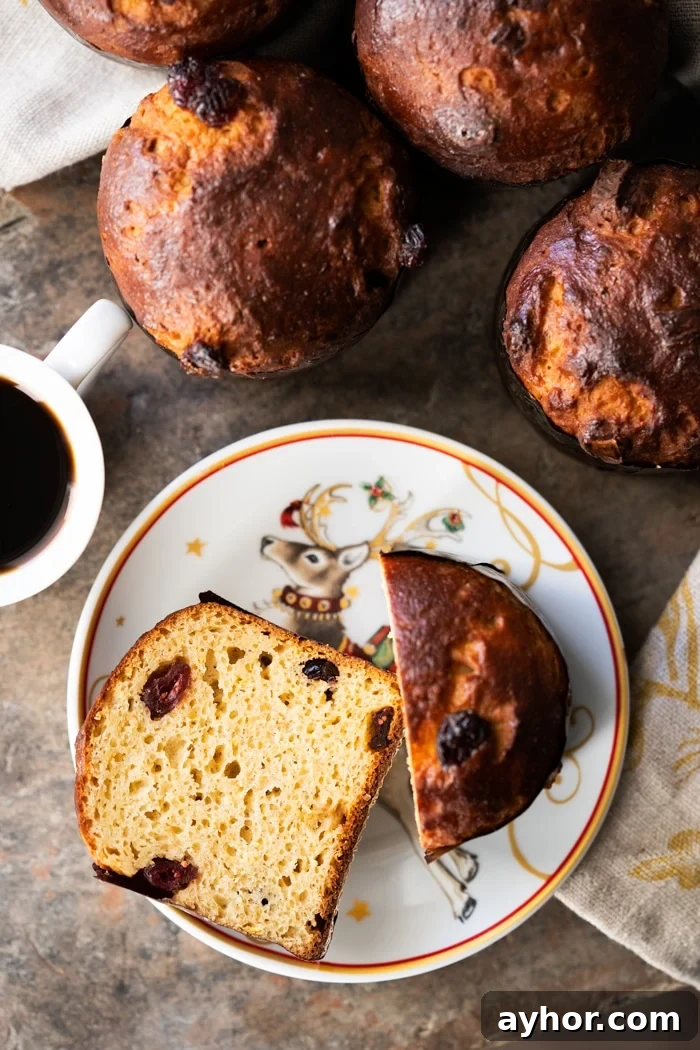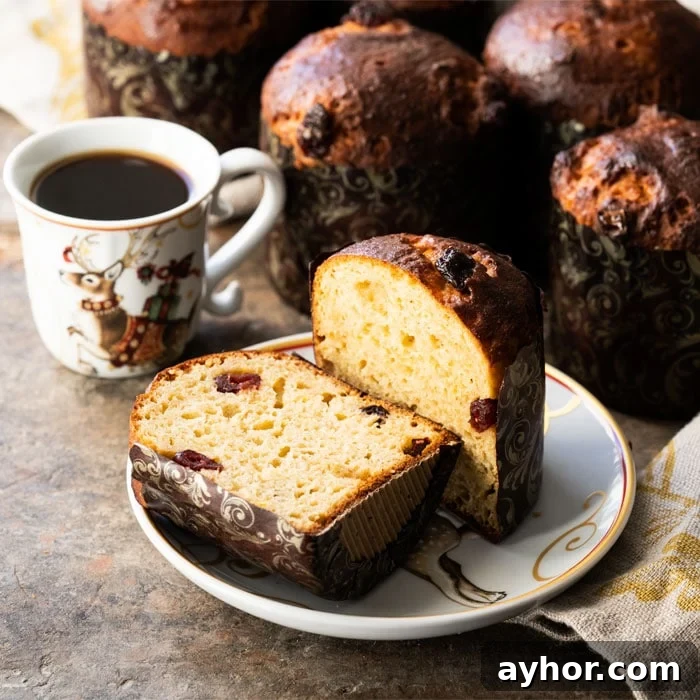
Very much akin to the traditional Italian Christmas bread, this gluten free and keto panettone is buttery, tender and bright with orange flavor. It captures the essence of panettone while remaining low in carbs and grain-free, making it a festive option for those avoiding gluten and starches.
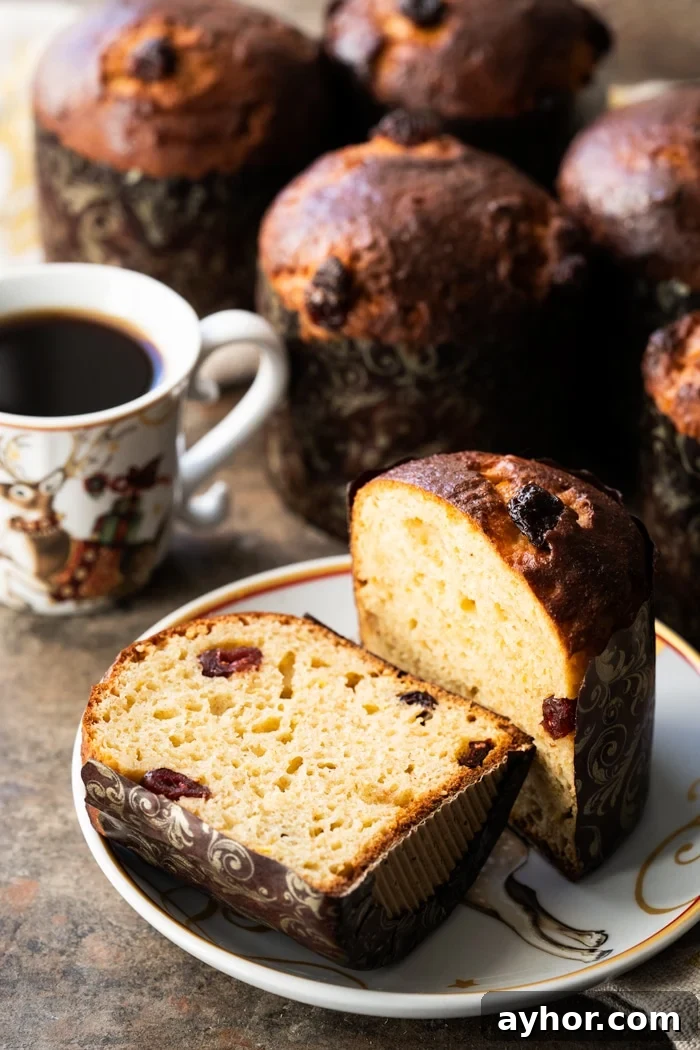
Gluten Free & Keto Panettone
Gluten Free & Keto Panettone
If you’ve had panettone before, you’ll recognize its sweet, enriched-bread profile. If not, think of this as a cross between brioche and enriched holiday breads like hot cross buns — soft, buttery and gently sweet with citrus notes. While keto and gluten-free ingredients make the texture denser than traditional panettone, the result is still pillowy, rich and satisfying.
This version is intentionally simple: no kneading or long technical steps, though it does rely on active yeast and a proper proofing process. Follow the key details below and the recipe instructions to achieve a good rise and an enjoyable crumb.
The Details
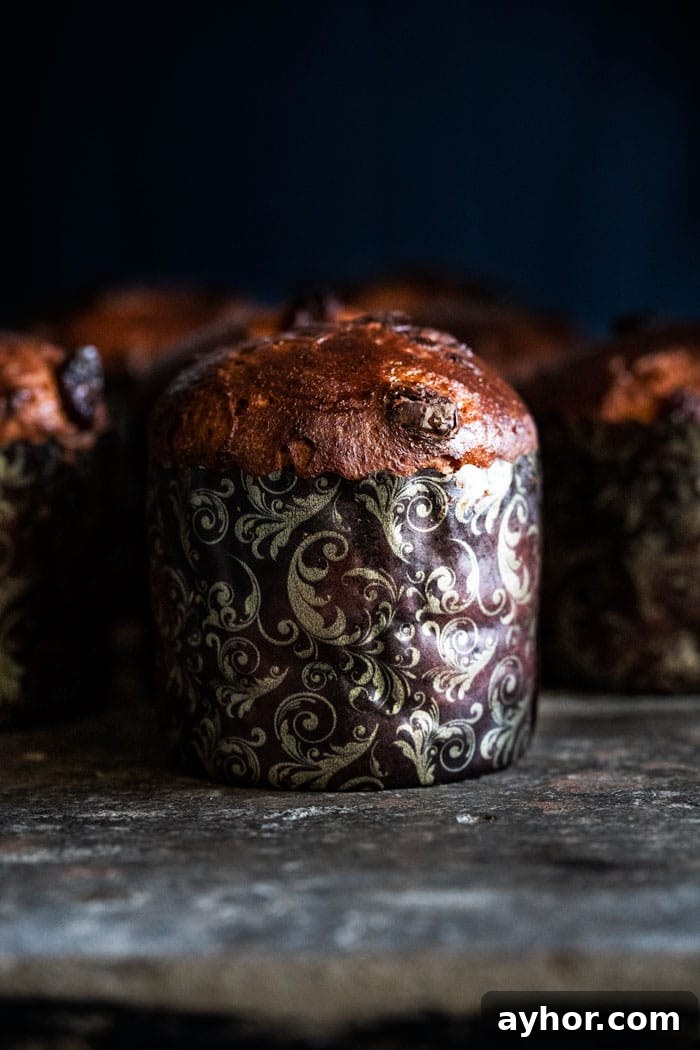
Keto flours like almond flour and flaxseed meal are heavier and retain more moisture than wheat flour, and without gluten the dough won’t create the same airy structure. Expect a denser crumb than classic panettone, but still very flavorful. Mini panettone molds work best for these enriched doughs; full-sized molds often don’t rise as noticeably because of the dough’s richness. If you don’t have molds, construct paper molds from parchment and use a muffin tray.
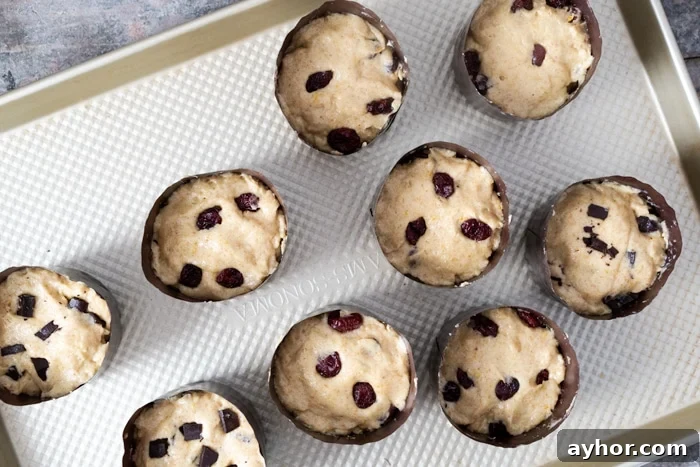
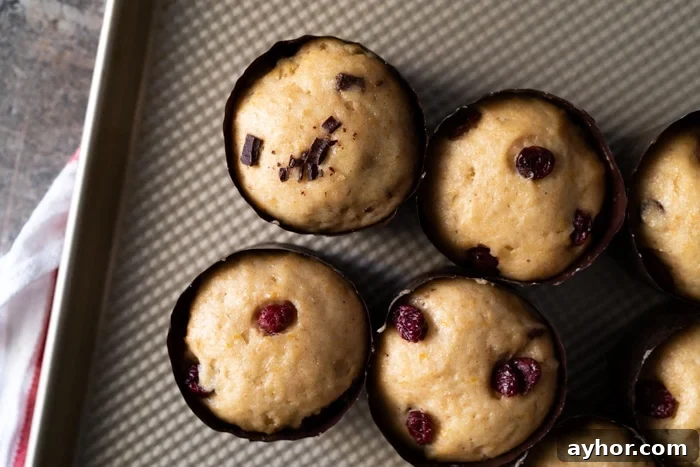
Proofing is essential: the dough should almost double in size during resting, which can take 2–3 hours depending on room temperature and humidity. Warmth helps — a mildly warm surface (for example, the top of a preheating oven) encourages rise, but avoid overheating or drafts that could kill the yeast. Think warm, slightly humid environment rather than hot.
Before rise
After rise
The Tips and Tricks
Yeast-based keto breads require attention to a few details to perform well:
- Weigh ingredients. For consistent results, use a kitchen scale rather than volume measures. Gluten-free baking is sensitive to proportions, and weight measurements keep texture reliable.
- Use room-temperature ingredients. Cold eggs or dairy will slow or prevent proper rise. Let eggs and dairy sit at room temperature for at least 30 minutes before mixing.
- Proof the yeast. Mix active dry yeast with lukewarm water (around 105–110°F) and a small amount of fermentable sugar or inulin. Wait 5–10 minutes until foamy; if it doesn’t foam, the yeast hasn’t activated and you should start over with fresh yeast and correctly warmed liquid.
- Protect the dough while it rises. Avoid drafts and sudden temperature changes. Place the covered tray in a warm, undisturbed area until nearly doubled.
- Altitude considerations. This recipe was tested in different altitudes and performed well without adjustments, but always watch proofing times and oven performance in your kitchen.
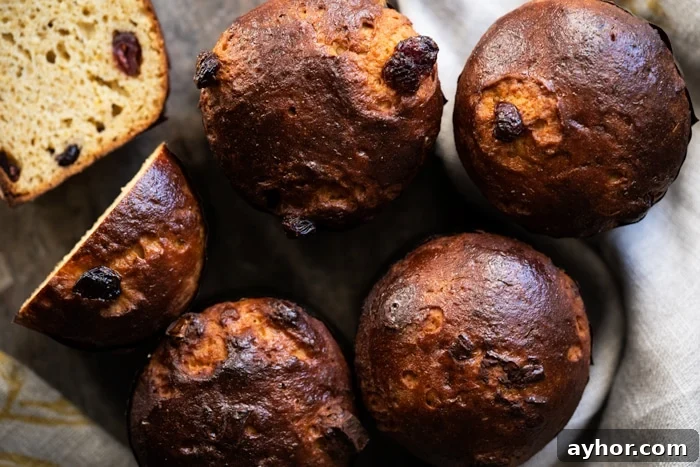
Ingredients and Substitutions
The recipe uses pantry staples common to paleo and keto baking. While some ingredients can be substituted, results are best when you follow the ingredient list closely.
- Almond flour: Use a superfine almond flour for the best texture. Coarser almond meal yields a denser, oilier crumb. If you follow a paleo approach or are in keto maintenance, you can lighten the loaf by swapping 1/4–1/2 cup of almond flour for arrowroot or similar starch.
- Flaxseed meal: Use golden flaxseed meal and grind it finely to avoid a slimy texture. A very dry blender or spice grinder works well.
- Psyllium husk powder: Grind finely if your psyllium comes in larger pieces. Psyllium adds elasticity and structure; substituting with more flax will change texture and rise.
- Whey protein isolate: Important for stability; it helps the panettone hold structure after baking. Different brands vary, so results can be affected by protein source.
The Dried Fruit
Store-bought dried fruit is often high in sugar, so for a keto-friendly option consider softening low-sugar cranberries in a simmer with a keto sweetener (allulose or erythritol blends). Dry them gently in a dehydrator or an oven set very low (around 150–170°F). The same approach works for orange peel. Alternatively, stud the dough with sugar-free chocolate chunks for a chocolate-orange combination.
The Sweetener
This recipe works well with erythritol and allulose. Avoid xylitol for recipes using yeast: xylitol inhibits microbial growth and can interfere with yeast activity.
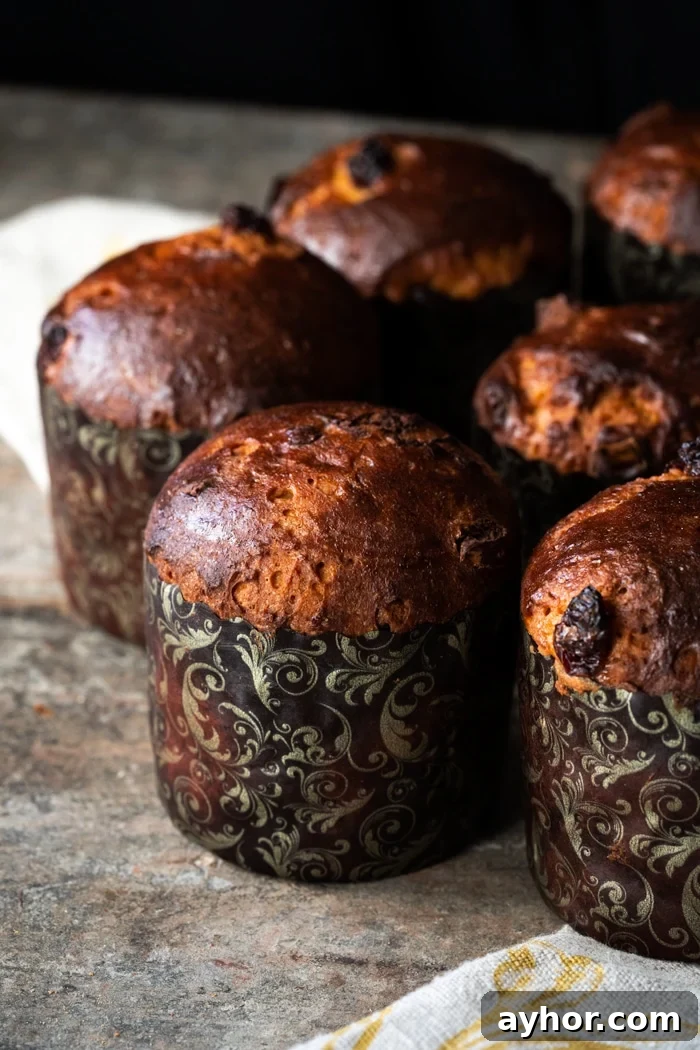
Method Overview
Briefly, proof the yeast with lukewarm liquid and a little fermentable sweetener until foamy. Combine dry ingredients (almond flour, flaxmeal, whey, psyllium, sweetener and leaveners) in a bowl. Beat eggs, vinegar and zest into the proofed yeast mix, then add dry ingredients in batches, alternating with softened butter until fully incorporated. The dough will be sticky; use a wet spatula to shape it and spoon into mini molds about two-thirds full. Proof in a warm, draft-free spot until the dough nearly reaches the top of the mold (2–3 hours). Brush gently with egg wash and bake in stages starting at 400°F, then reduce the oven temperature as directed until the tops are deep brown. Allow cooling on the tray briefly before transferring to a rack; they continue to set as they cool.
Gluten Free & Keto Panettone (Italian Christmas Bread!)
Very much akin to the traditional Italian Christmas bread, this gluten free and keto panettone is buttery, pillowy and rich with orange notes. For best results weigh ingredients and follow proofing guidelines.
Ingredients
For the gluten free & keto rolls
- 1 tablespoon active dry yeast
- Pinch ground ginger (optional, helps proof the yeast)
- 1 tablespoon inulin or maple syrup/honey to feed the yeast*
- 1/2 cup lukewarm water (105–110°F)
- 58 g sour cream
- 168 g superfine almond flour
- 83 g golden flaxseed meal, finely ground
- 35 g whey protein isolate
- 18 g psyllium husk, finely ground
- 2/3 cup erythritol or allulose
- 2 teaspoons xanthan gum
- 2 teaspoons baking powder
- 1 teaspoon kosher salt
- 3 eggs, at room temperature
- 1 tablespoon apple cider vinegar
- 1–2 tablespoons orange zest
- 56 g unsalted butter, softened
Optional add-ins
- 1/2 cup chocolate chunks or keto-style dried fruit
Special equipment
- Mini panettone molds or parchment paper molds placed in a muffin tray
Instructions
For the gluten free & keto panettone
- Add yeast and a dash of ginger to a large bowl. In a separate small bowl, mix inulin (or maple syrup), lukewarm water and sour cream and warm gently to 105–110°F. Pour the warm mixture over the yeast, cover with a towel and rest 7 minutes until bubbly. If it does not foam, the yeast has not activated.
- While yeast proofs, whisk together almond flour, flaxseed meal, whey protein, sweetener, xanthan gum, baking powder and salt.
- Once the yeast is foamy, add eggs, vinegar and orange zest and mix with an electric mixer until combined. Add the flour mixture in three parts, alternating with the softened butter. Mix until no streaks of butter remain. The dough will be sticky; use a wet spatula to gather it into a ball.
- Spoon dough into mini molds about two-thirds full. Place molds on a baking tray, cover with a kitchen towel and proof in a warm, draft-free spot for 2–3 hours until almost doubled and the dough reaches the top of the mold.
- Preheat oven to 400°F (200°C) while the dough is proofing. Lightly brush tops with egg wash, avoiding the edges so they can rise. Bake at 400°F for 10 minutes, reduce to 375°F (190°C) and bake another 10 minutes, then reduce to 350°F (180°C) and bake a final 5–7 minutes. The tops should be deeply browned; tent with foil if they brown too quickly.
- Cool on the tray for 20 minutes, then transfer to a rack to cool completely. They continue to set as they cool, so wait before slicing. Store in an airtight container at room temperature for 3–5 days. Serve at room temperature or lightly warmed.
Notes
*You can feed the yeast with inulin or a small amount of sugar or syrup; the yeast consumes the sugar during fermentation. If your yeast fails to foam, try again with correctly warmed liquid and fresh yeast.
**For a lighter crumb in paleo or keto maintenance, substitute 1/4–1/2 cup almond flour with arrowroot or another acceptable starch.
***If you lack panettone molds, cut parchment squares and make DIY molds in a muffin tray, about 2½ inches tall. Tie with ribbon for a festive presentation.
Important: Avoid xylitol as it inhibits yeast and can prevent proper proofing.
Nutrition was estimated per mini panettone (approximately 4 g net carbs).
Nutrition
gluten free, grain free, keto
Comment below or share your results and tag the creator to connect and show your panettone.