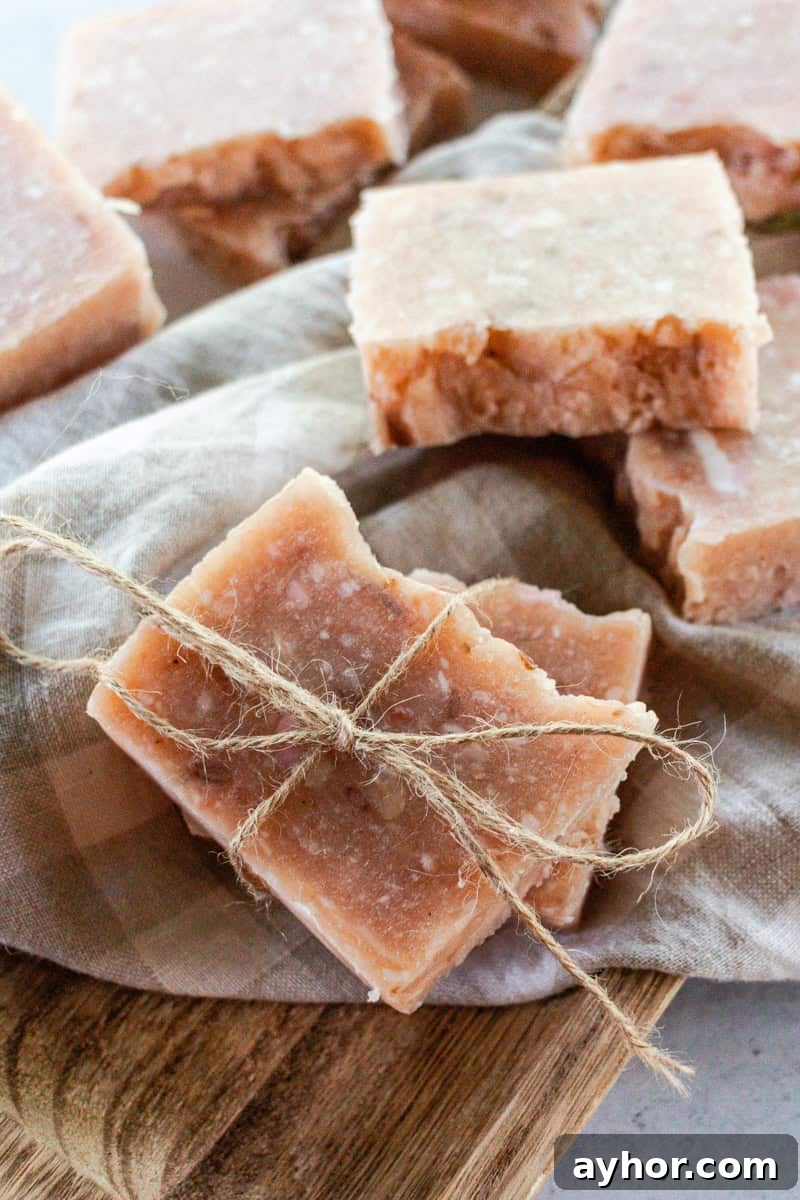
Making rebatch soap is a practical, creative way to avoid wasting soap. If a batch didn’t turn out as you hoped or you have a container of odds and ends, rebatching lets you melt those pieces down and turn them into useful bars.
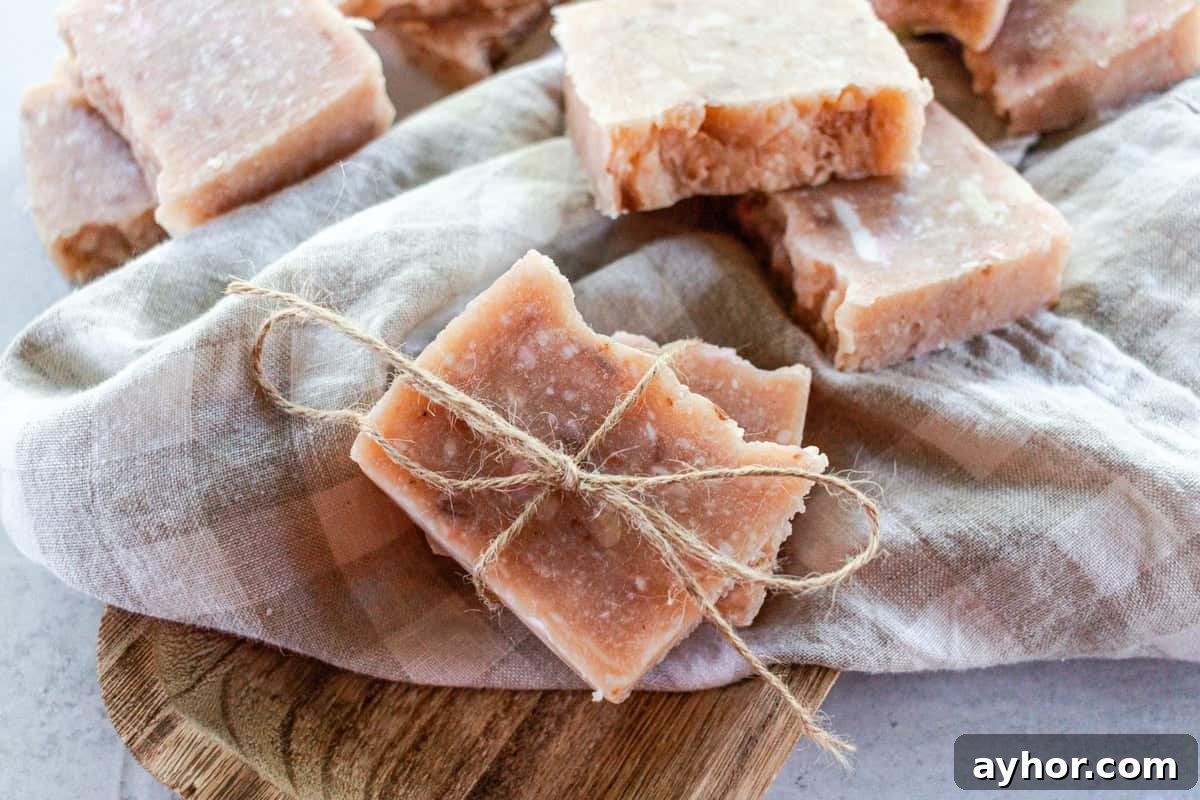
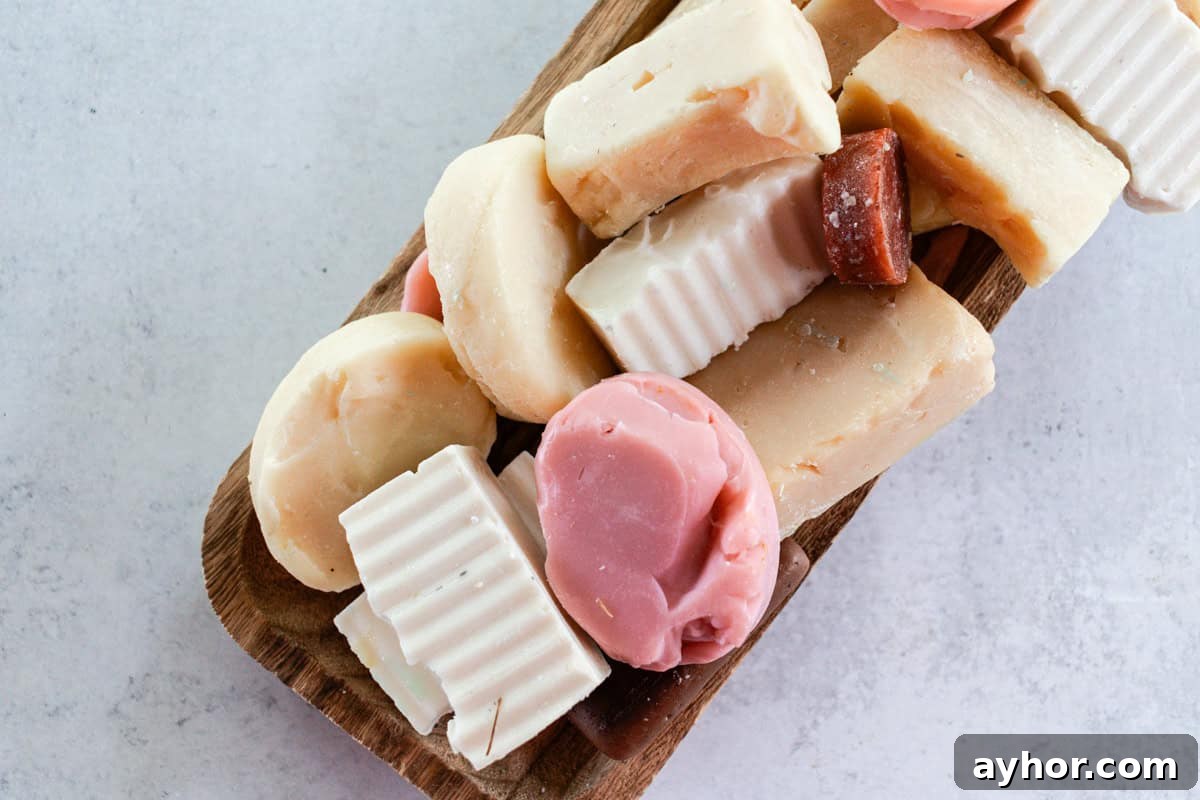
Almost every soapmaker ends up with a stash of pieces they won’t use or gift: odd-shaped ends, discolored bars, soaps with faded scent, or shavings left over from trimming. Rebatching takes those leftovers and transforms them into new bars with minimal effort.
What Is Rebatching Soap?
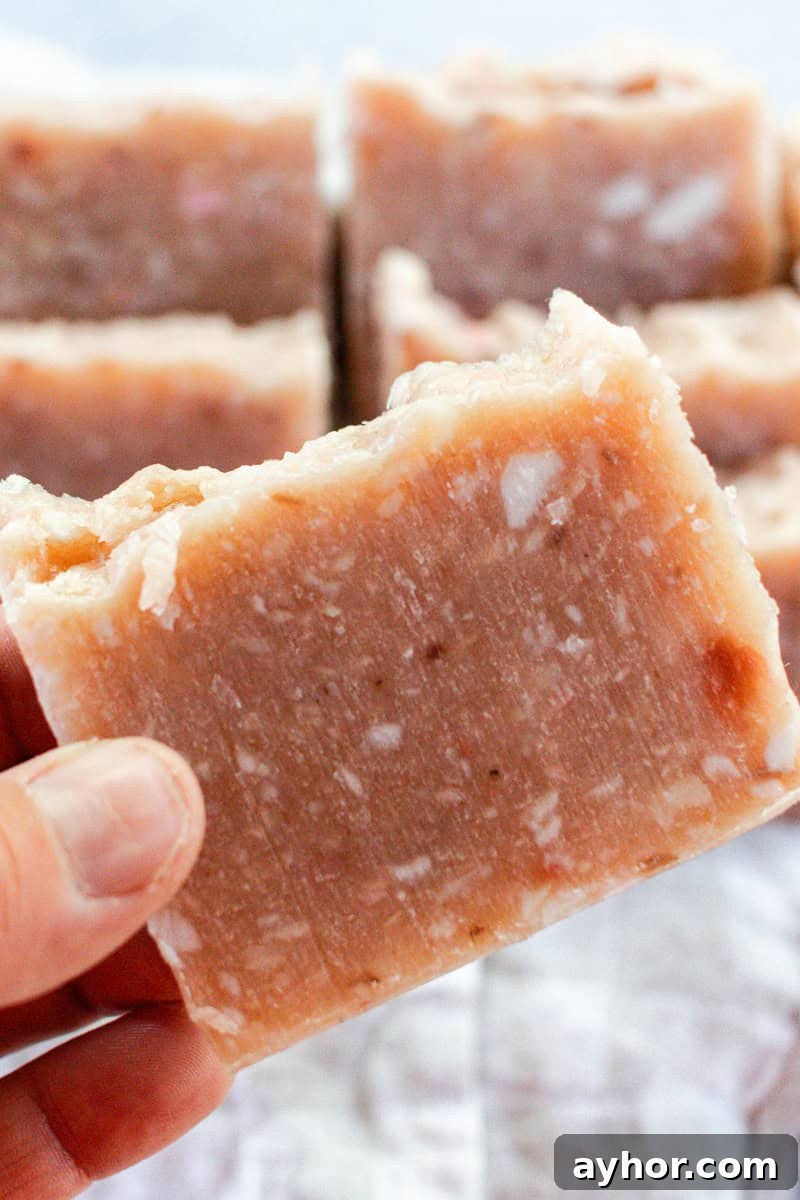
Rebatching involves shredding unwanted soap and gently melting it with a small amount of water until it softens enough to be reshaped. The resulting soap has a more rustic, slightly uneven texture compared with smooth cold-process or melt-and-pour bars, but it cleanses just the same and often has a charming, handcrafted look.
Why Rebatch Soap?
Reduce waste: Rather than tossing imperfect or unscented bars, rebatching repurposes them into fresh soap.
Reinvent your soap: You can add new colorants, fragrances, or inclusions to change the scent, look, or texture.
Rustic appearance: Rebatched soap has a textured, artisanal aesthetic many people prefer over perfectly smooth bars.
Easy and forgiving: Rebatching is simpler than starting a fresh cold-process batch and requires less curing time. The technique is similar to melt-and-pour, but the result is denser and more textured.
Ingredients
- Grated soap scraps (from old or imperfect bars)
- Distilled water
- Optional: Essential oils or fragrance oils
- Optional: Colorants such as micas, clays, or oxides
- Optional: Additives like honey, oatmeal, or exfoliants
Tools
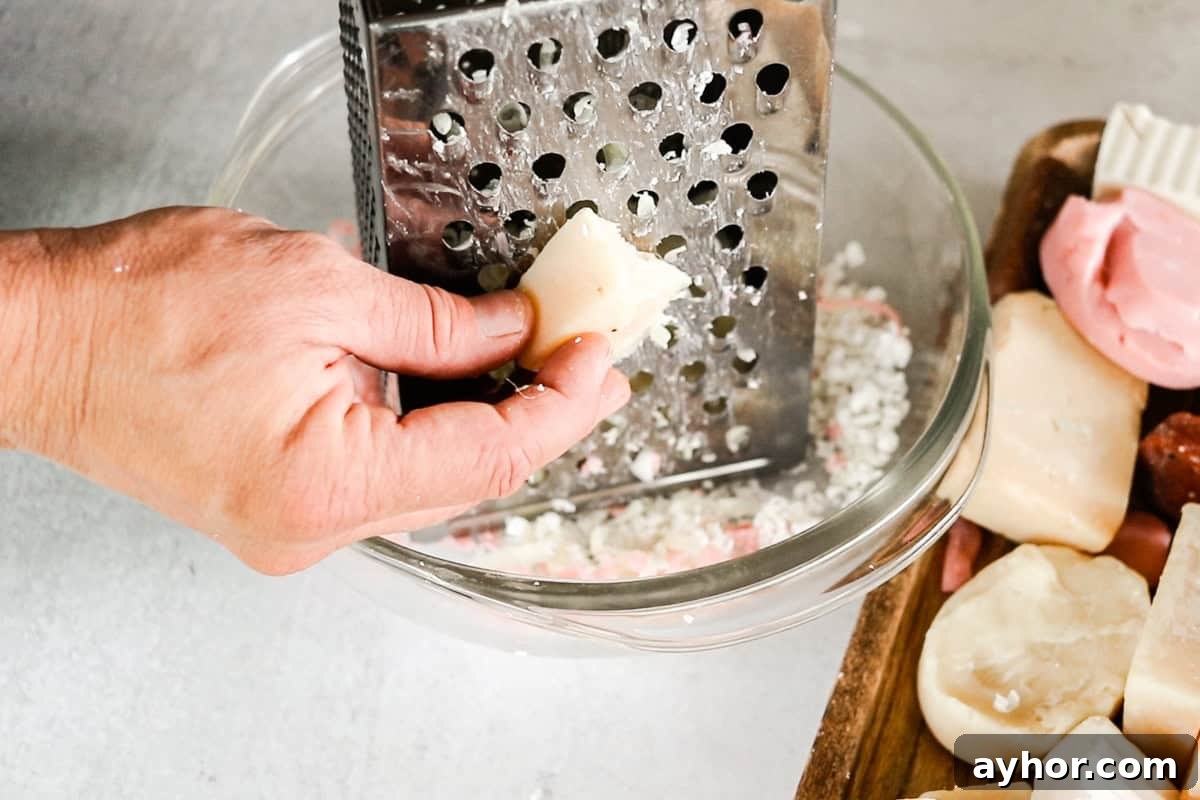
- Box grater
- Double boiler, crock pot, or a large pot with a heat-resistant bowl
- Spoon or spatula for stirring
- Soap molds (silicone loaf molds work well)
Instructions
Step 1. Shred larger soap pieces with a box grater so they melt more evenly.
Step 2. Place the grated soap and small scraps in a double boiler or crock pot, leaving room to stir.
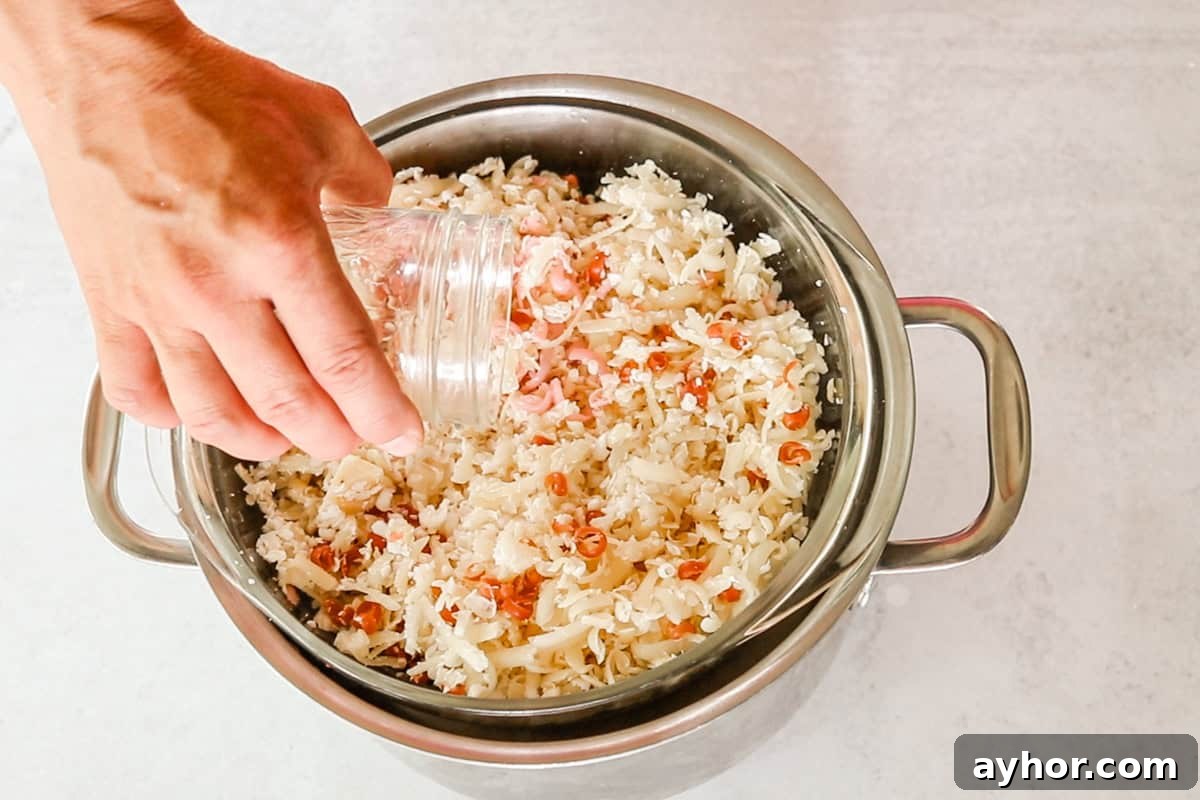
Step 3. Add distilled water and heat on medium-low, stirring frequently until the soap softens. Expect a thick, gloopy consistency rather than a smooth, pourable one.
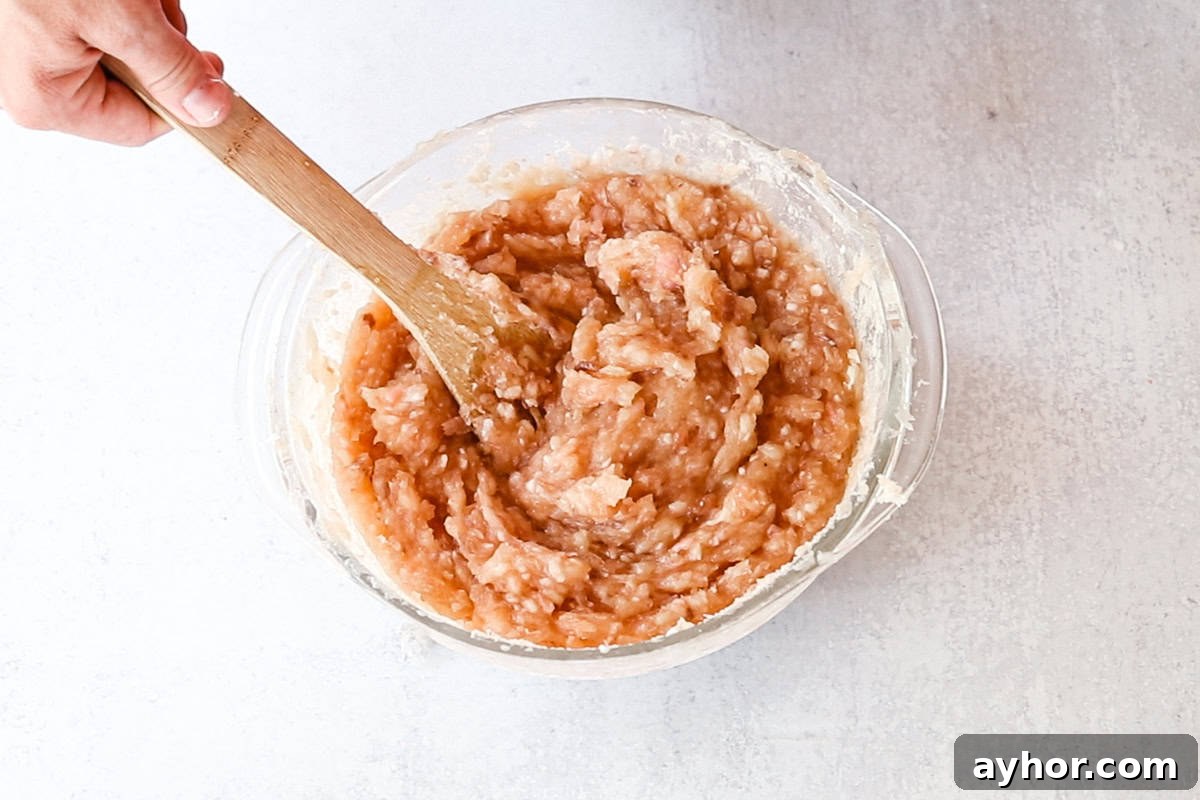
Step 4. Remove from heat and stir in fragrance or essential oils and any optional additives.
Step 5. Scoop or press the softened soap into molds. The mixture is often too thick to pour, so use a spoon or spatula to pack it in.
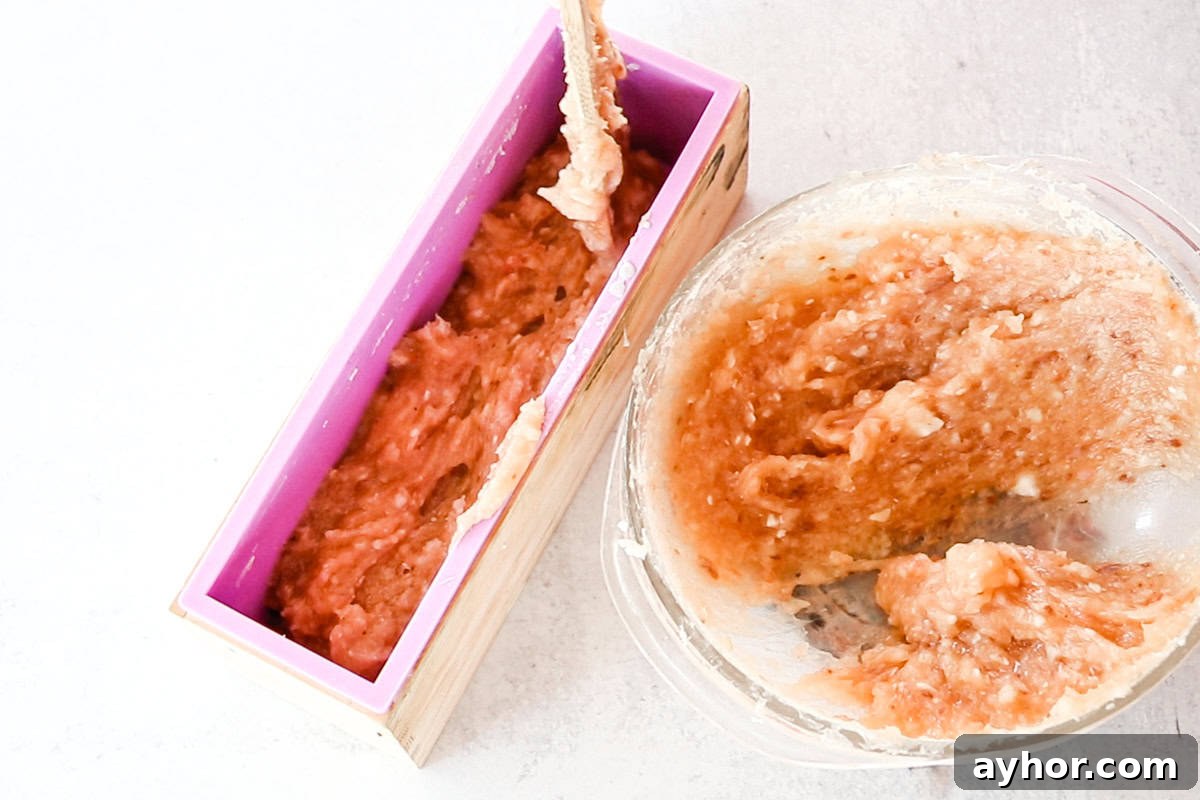
Step 6. Tap the mold to release trapped air bubbles.
Step 7. Allow the soap to cool and firm for about 24 hours. If the mold releases easily, unmold; if not, wait another day.
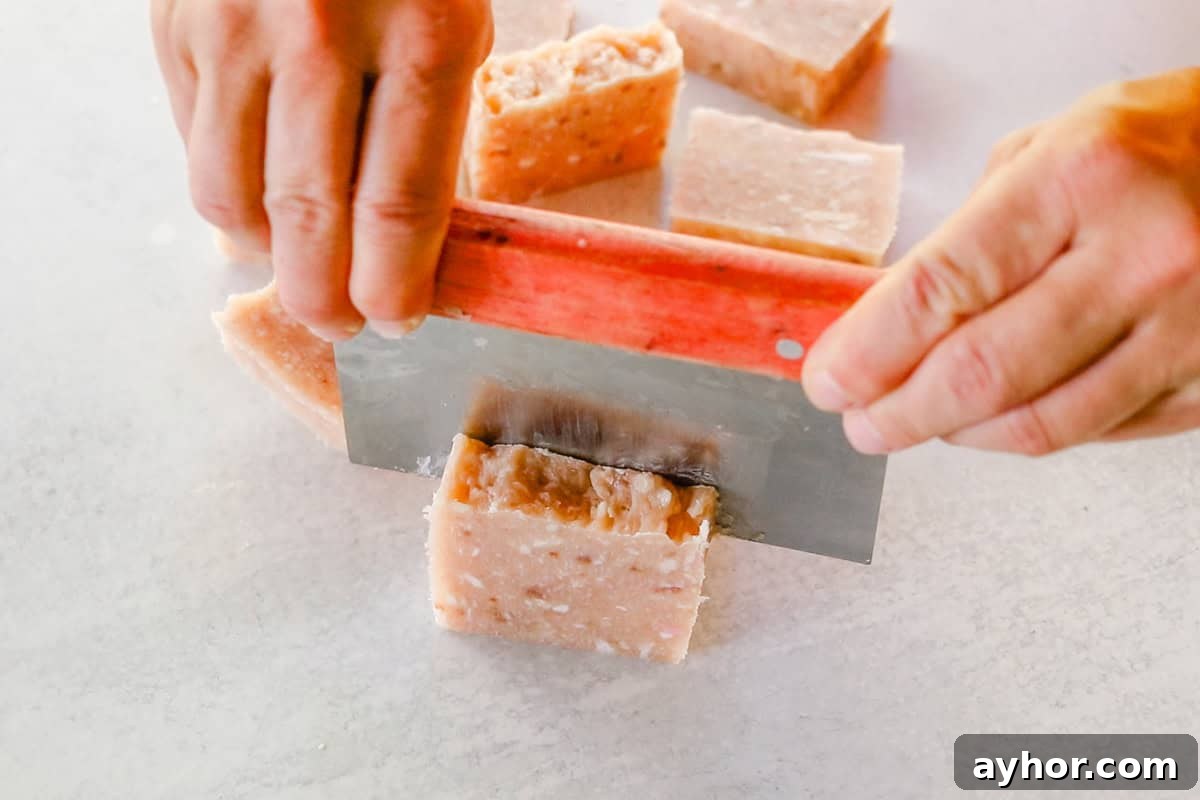
Step 8. Cut into bars. They can be used right away, but curing for about two weeks will yield a firmer, longer-lasting bar.
Expert Tips
- As a guideline, use about 2 ounces of water per 10 ounces of grated soap. Less water speeds drying but can make melting harder; more water eases melting but extends drying time.
- Melting can take time—be patient and keep the heat low. The mixture will soften enough to scoop even if it never becomes silky smooth.
- Spritzing the soap with a little extra water while heating can help it break down.
- If you lack a double boiler or crock pot, set a heat-resistant glass bowl over a simmering pot of water to mimic a double boiler.
- Only rebatch homemade cold-process or hot-process soaps. Commercial bars may contain additives that don’t respond well to reheating.
Important Note
Some failed bars result from incorrect lye proportions, producing a lye-heavy or lye-light soap. If you suspect unsafe chemistry, consult a reliable soapmaking reference before rebatching. This guide assumes you’re working with properly made bars that simply need cosmetic or scent improvements.
Add-Ins and Variations
Rebatching is an excellent moment to experiment. Once your soap is softened, you can incorporate ingredients that are less suitable for cold-process soap, such as heat-stable herbs, exfoliants, clays, or specialty colorants. Dried flowers, teas, oats, or a small loofah piece pressed into the mold can give each bar unique texture and appeal.
Other Uses for Soap Scraps
- Make liquid soap from scraps to use as hand or body wash.
- Fill a soap-saver bag with shavings to create a convenient hand-washing pouch.
- Some soap scraps can be repurposed into DIY laundry soap, depending on ingredients.
Basic Rebatch Soap Recipe (Yield: ~12 Bars)
- 30 oz grated soap scraps
- 6 oz distilled water (adjust as needed)
- Optional: fragrance or essential oils
- Optional: colorants and additives
Prep & Timing
- Prep: about 10 minutes
- Active melt time: around 30 minutes (may vary)
- Drying/initial set: 24 hours
- Suggested cure for firmer bars: 1–2 weeks
Rebatching is a simple, eco-friendly technique that breathes new life into imperfect soaps. With a little patience and creativity, you can turn leftovers into lovely, functional bars that look and smell great.
This content is for informational purposes only. Test and evaluate materials and methods before use.