Leftover smoked packer brisket is a wonderful problem to have — but unless you have a very large crowd, you’ll likely end up with plenty of extra meat. In my house, brisket is a treat: it’s costly and demands a lot of time and attention. That’s why I want leftovers to taste as close to fresh from the smoker as possible. After researching and testing common storage and reheating methods, here are practical, reliable ways to keep and restore brisket so it stays tender and flavorful.
Safety first: reheated brisket should reach a safe serving temperature of 140°F. You can reheat brisket in the oven, on the grill or smoker, in the microwave, or with sous-vide. Of these, the sous-vide technique most closely restores brisket to its original texture and juiciness. A simple and effective oven approach is to wrap brisket in foil, add a bit of liquid, and warm it at 225°F.
For storage and the best reheating results, vacuum sealing is ideal. It preserves moisture and enables sous-vide reheating. If you don’t own a vacuum sealer, heavy-duty zip-lock bags used with the water displacement method are a very good alternative.
Key Points
- Reheated brisket should reach 140°F for safe serving.
- Sous-vide is the best method to restore brisket close to its freshly smoked state.
- Oven reheating at 225°F while wrapped in foil with added liquid produces tender, moist results.
- Vacuum sealing preserves moisture and enables both long-term storage and sous-vide reheating.
- Zip-lock bags can substitute for vacuum sealing if you remove as much air as possible.
- The microwave is the quickest option but sacrifices some flavor and texture; use low power.
- Store leftover brisket in large, unsliced pieces when possible to retain moisture.
- When reheating in foil, add juices, broth, butter, or a little water to create steam and prevent drying.
- A high oven temperature like 325°F tends to reduce flavor compared with low-and-slow reheating.
| Method | Temperature | Additional Notes |
|---|---|---|
| Oven | 225°F | Wrap in foil and add liquid to create steam |
| Grill or Smoker | 225°F | Wrap in foil and add liquid to create steam; monitor carefully |
| Microwave | Low heat | Fastest method, but loses some flavor and texture |
| Sous-vide | Varies | Best at restoring juiciness; works with vacuum or tightly sealed zip-lock bags |
Experiment Highlights: Harry Soo
- Harry Soo tested oven, microwave, and sous-vide reheating across multiple temperatures and packaging types.
- The oven at 225°F and sous-vide produced the most consistently tender, juicy results.
- Microwaving on full power can yield good texture for small portions, but often sacrifices flavor.
- Using inexpensive gallon freezer bags for sous-vide worked nearly as well as vacuum bags in Soo’s tests.
- Adding a pad of butter before reheating improves moisture and flavor.
Barbecue champion Harry Soo put multiple reheating approaches to the test, trying 225°F and 325°F in the oven, microwave at different power levels, and sous-vide with both vacuum and freezer bags. His tasters consistently preferred low-and-slow reheating. The low oven setting retained tenderness, and sous-vide restored moisture exceptionally well. A small addition of butter or reserved meat juices before reheating helped the final flavor and mouthfeel.
Don’t Slice All Your Brisket
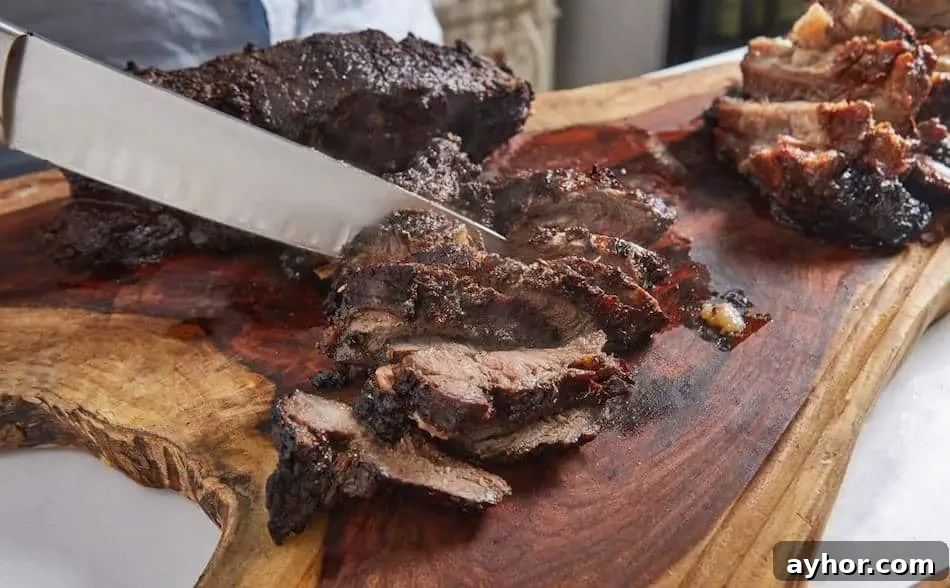
If you expect leftovers, avoid slicing the entire brisket when serving. Unsliced brisket retains moisture much better. Slice only what you need and vacuum-package the larger pieces to preserve juices. Slicing too early causes moisture loss and a drier result when reheated.
Oven Reheating at 225°F
Oven reheating at 225°F is a dependable way to restore brisket. Wrap the brisket in foil and add reserved juices, a splash of broth, or a stick of butter to produce steam and rehydrate the meat. Place the sealed package in a pan and warm slowly until the internal temperature reaches 140°F. If you like sauce, baste lightly before sealing, but keep the liquid modest so you don’t wash away the bark.
Why Not 325°F?
Reheating at higher oven temperatures like 325°F can speed the process but typically reduces flavor and can produce uneven results. Comparisons show 225°F yields a juicier, more flavorful brisket than higher-heat reheating.
Aaron Franklin’s Oven Method
- Preheat oven to 225–250°F, adjusting for your oven’s accuracy.
- Carefully open the brisket packaging and add butter to help melt fat and add flavor.
- Place brisket on a sheet tray, cover in foil, and warm for about 1 hour 15 minutes.
- Probe the center to check doneness and add extra butter if desired.
- Slice starting from the end, using long, light strokes and inspecting texture as you go.
Aaron Franklin’s approach is straightforward and emphasizes gentle reheating, added fat for flavor, and careful slicing to maintain texture.
Microwave Reheating
The microwave is the fastest option but sacrifices some flavor and can dry the meat if used at high power. If you must microwave, reheat in low power and in small portions — one or two slices at a time tends to work best. In side-by-side tests, microwave-reheated brisket lacks the depth of flavor achieved by oven or sous-vide methods.
Grill or Smoker Reheating
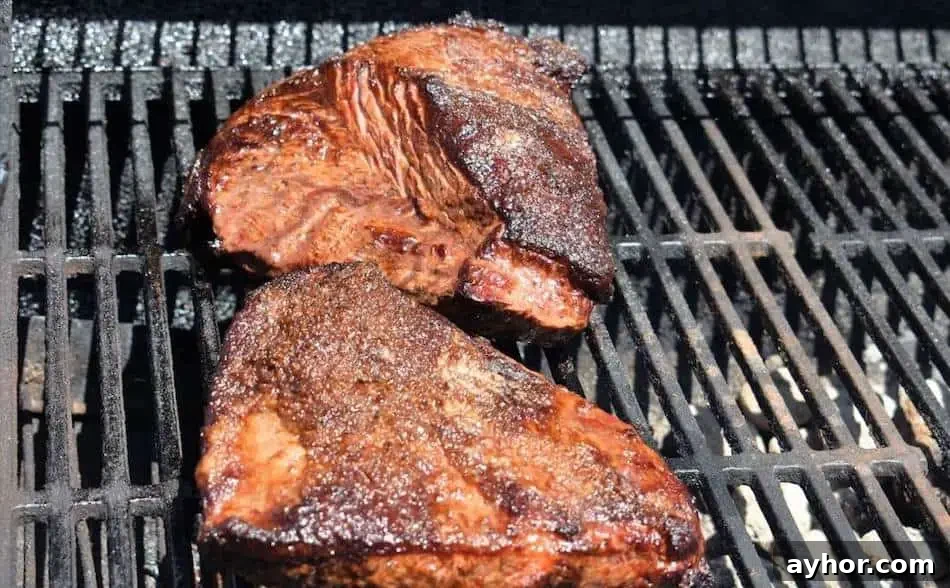
You can reheat brisket on the grill or smoker by wrapping it in foil with some liquid and warming indirectly at about 225°F. Monitor the internal temperature and remove the foil briefly at the end to firm up the bark if it became soggy. Limit direct time on the flames to just a few minutes to avoid drying.
Sous-Vide Reheating
Sous-vide is currently the most reliable way to recover a brisket’s juiciness. Vacuum-sealed or tightly water-displaced zip-lock bags keep the meat’s juices inside while it gently warms to serving temperature. Because sous-vide does not brown, this method works best when your brisket already has a developed crust; finish briefly on the grill or under a hot broiler if you want to re-crisp the bark.
Vacuum Sealing: Best Storage and Reheat Method
Vacuum sealing (Cryovac) removes air to protect against spoilage and freezer burn and keeps brisket moist during storage. Refrigerate vacuum-packed brisket if you’ll reheat within a few days; freeze for longer storage. Whenever possible, include some meat juices in the package (kept separate if needed) to help maintain moisture on reheating.
How to Use Zip-Lock Bags When You Don’t Have a Vac Sealer
If you lack a vacuum sealer, use the water displacement method to remove air from heavy-duty zip-lock bags: place brisket and a little juice or broth in the bag, seal most of the way, then slowly lower the bag into cold water until air is forced out and finish sealing. This works well for refrigeration, freezing, and sous-vide reheating.
Vacuum Sealers: Practical Notes
Vacuum sealers range from affordable entry-level models to higher-end units with extra features. They use specific bags or rolls you can cut to size. For serious home BBQers who buy meat regularly, a vacuum sealer is a worthwhile investment to protect flavor and extend freezer life.
Dry Leftovers — Serving Ideas
If your reheated brisket is a bit dry, pair it with moist accompaniments. A brisket sandwich with coleslaw or a tangy sauce helps mask dryness and is one of the most popular ways to serve leftover brisket.
My Favorite Brisket Tools
Thanks for reading. Below are some tools I recommend for smoking and handling brisket. These are personal suggestions based on experience and are commonly used by home pitmasters.
Meat Injector: Injecting a solution into the brisket can add moisture and flavor. A sturdy stainless injector is a useful tool for competition-style results.
Brisket Marinade: Commercial brisket injections made by experienced pitmasters are available and commonly used in competitions to add flavor and moisture.
Butcher Paper: Unwaxed, food-grade butcher paper is popular for wrapping brisket during and after smoking to protect bark while allowing some moisture exchange.
Brisket Rub: A good rub is essential; many pitmasters make their own, though there are several reputable pre-made options available.
Meat Thermometer: A reliable dual-probe thermometer lets you monitor both smoker and meat temperatures simultaneously. It’s one of the most valuable tools for consistent results.
Instant-Read Thermometer: A fast, accurate instant-read probe is essential for checking doneness in several spots during the final stages of reheating.
Advanced Thermometer/Controller: If you want to automate and monitor multiple probes, advanced Bluetooth/Wi‑Fi thermometers and controllers can make set-and-forget cooks easier and more consistent.