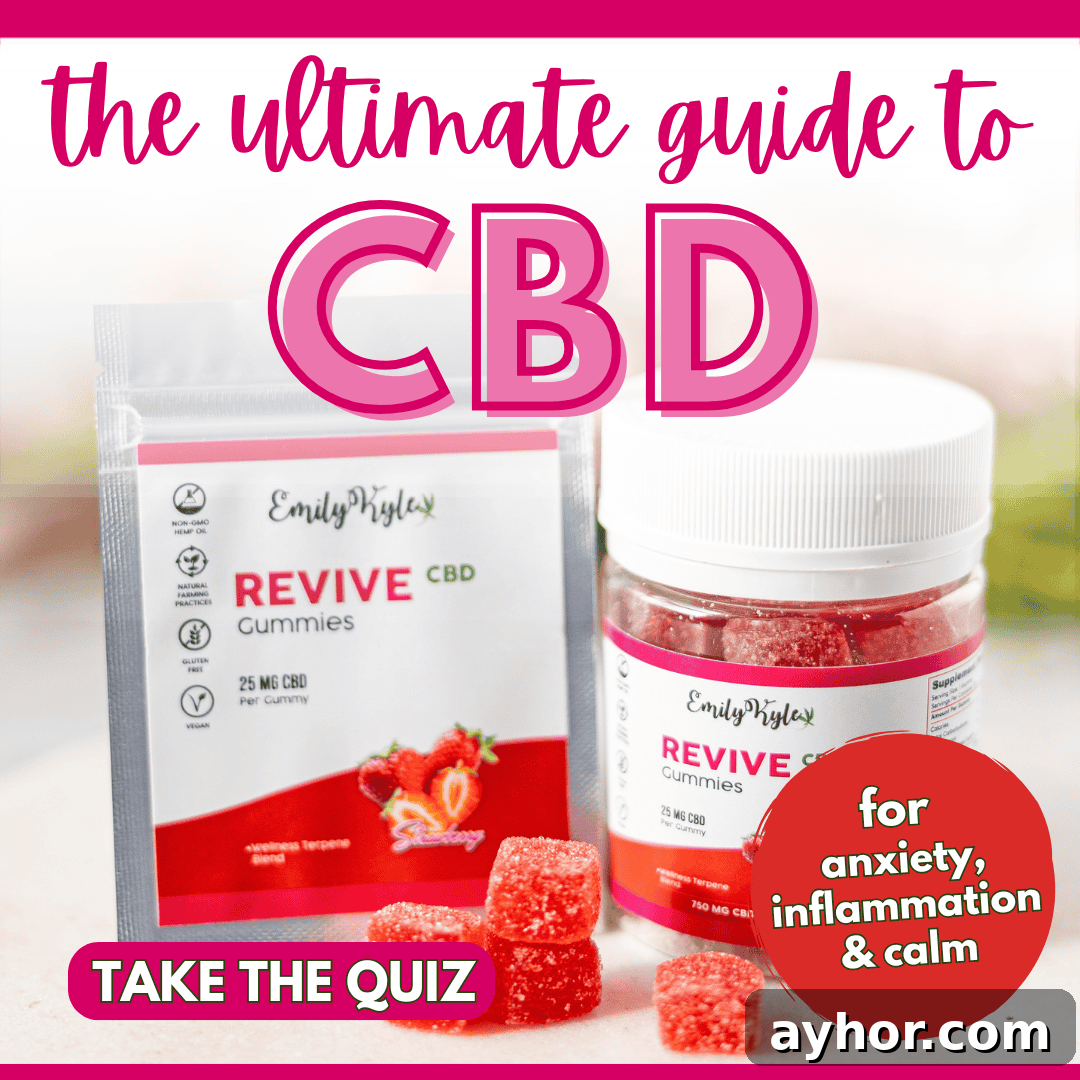
Chances are, if you’re here, you’ve already heard about CBD and its potential benefits. It’s natural to feel cautious or curious — you don’t have to choose between skepticism and blind faith. This guide will walk you through what CBD is, how it works, the main product types, potential benefits, and possible risks so you can make informed choices.
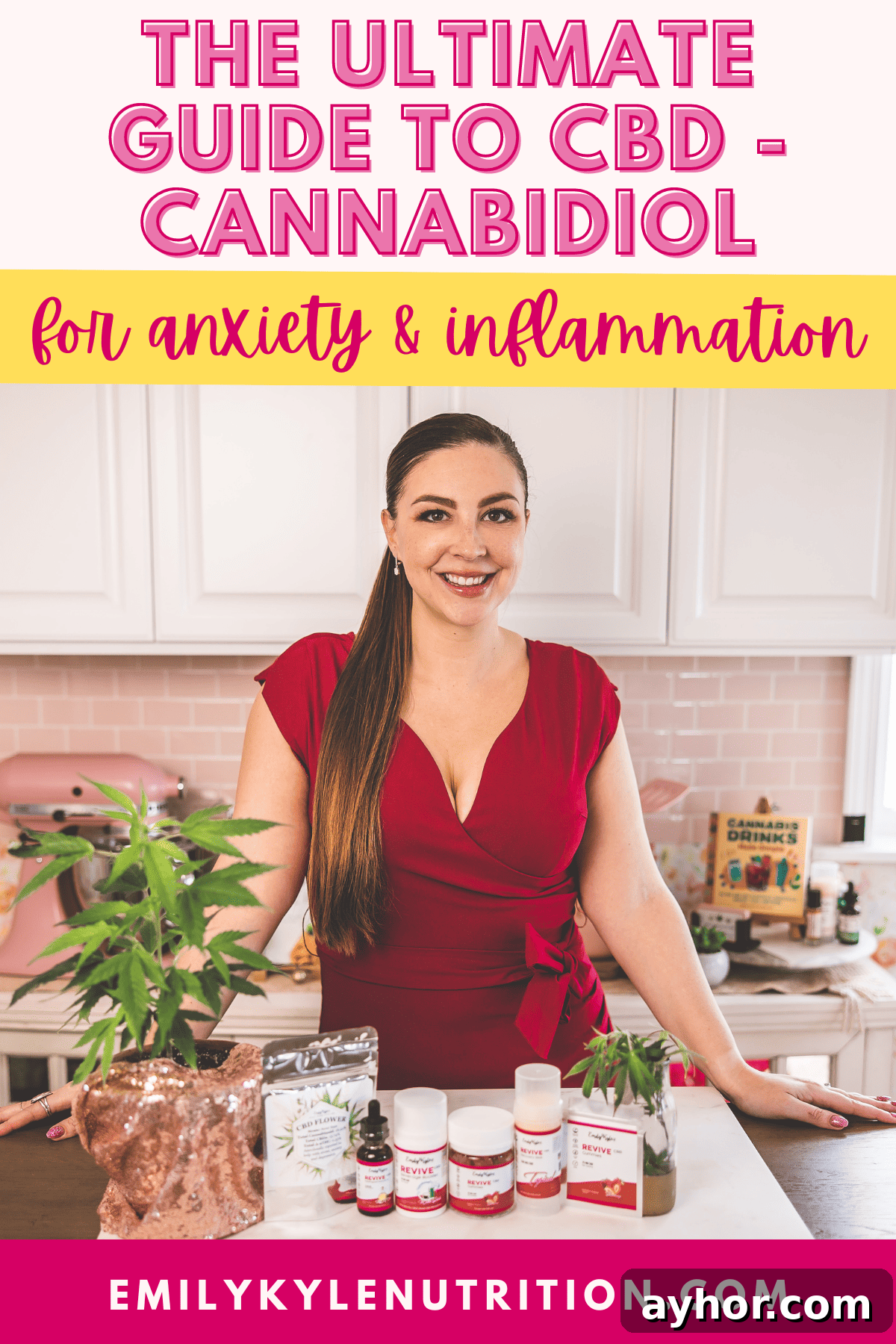
Article Features
- Clear explanations of CBD and CBDA
- Different ways to use and consume CBD for the best results
- Want reliable products? Premium CBD options are available for delivery across the US.
Why You Will Love This Guide
In a world where many medications bring unwanted side effects, CBD has emerged as an appealing, plant-based option for people seeking supportive wellness tools.
CBD is a non-intoxicating cannabis compound that offers potential benefits without the disorienting “high” linked to THC.
Even if you already use THC, adding CBD can change the experience. CBD can moderate some of THC’s effects—many users report reduced anxiety and a smoother overall experience when both cannabinoids are present.
When CBD and THC are combined in balanced ratios, they may produce complementary effects often called the “entourage effect,” which can enhance relaxation, support sleep, help manage inflammation, and sharpen mental clarity for some people.
Understanding how CBD and THC interact lets you make more informed decisions on your wellness journey. Think of CBD as another tool in your holistic health toolbox, helping you build a more balanced routine.
🚀 Test Your Knowledge
Coming Soon!
What is CBD?
CBD (cannabidiol) is one of more than 100 cannabinoids produced by the cannabis plant. It commonly exists in the plant as CBDA (cannabidiolic acid), which converts into CBD through a process called decarboxylation—typically activated by heat.
Unlike THC, CBD is non-intoxicating and does not produce a “high.” Instead, it interacts with the body’s endocannabinoid system to support balance across systems such as sleep, appetite, and mood.
CBD’s gentle, non-intoxicating profile makes it attractive for older adults, busy parents, and anyone seeking symptom relief without impairment. In many cases, people find the best results when CBD and THC are used together in appropriate ratios to complement each other.
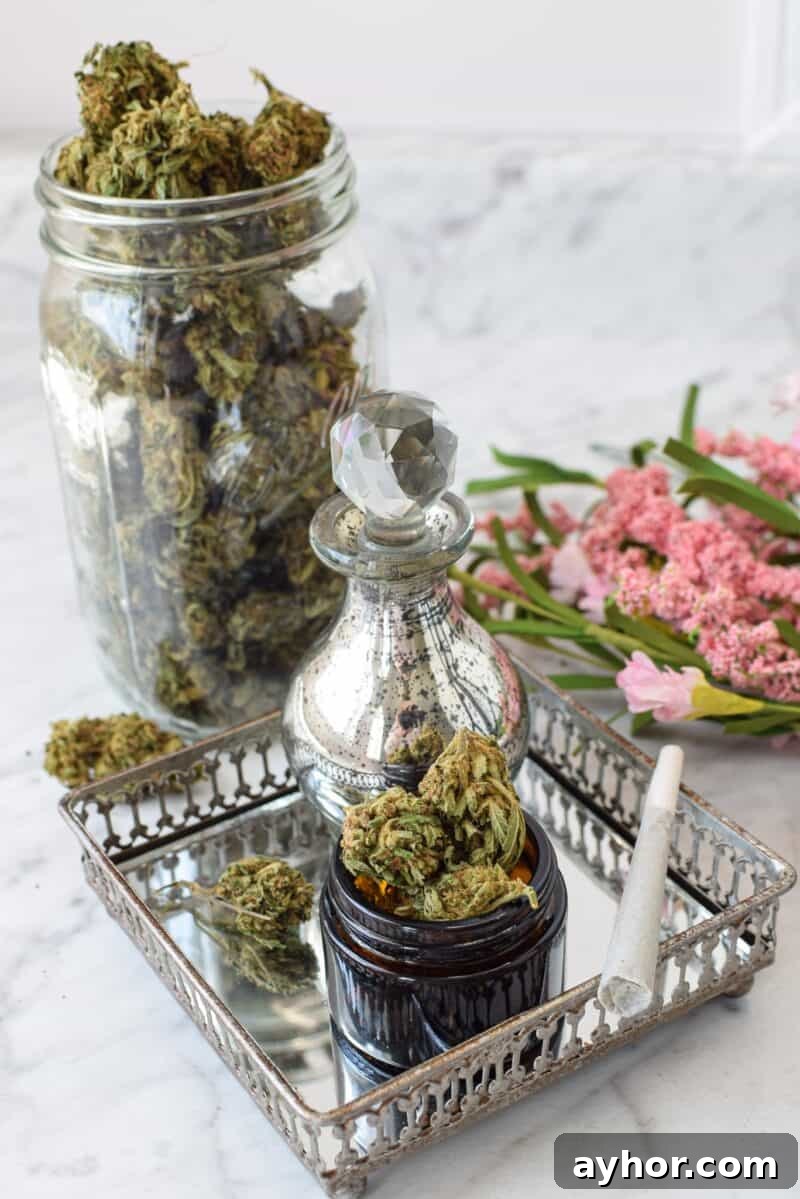
💡The right balance of CBD and THC can enhance the effects of both cannabinoids, allowing you to tailor your experience to your personal needs.
How is CBD Different from THC?
CBD and THC are distinct cannabinoids with different effects. THC causes the intoxicating effects associated with cannabis, while CBD does not.
Both interact with the endocannabinoid system but in unique ways. Think of them like different nutrients that support the same system—each brings different benefits, and together they may be more effective than alone.
The Science Behind CBD
CBD works primarily by influencing the endocannabinoid system (ECS), a network of receptors and signaling molecules that helps regulate appetite, sleep, pain, mood, and other functions.
Unlike THC, CBD does not bind directly to cannabinoid receptors; it modulates the system indirectly, which helps explain its non-intoxicating effects while still producing measurable changes in physiology and perception.
Types of CBD Products
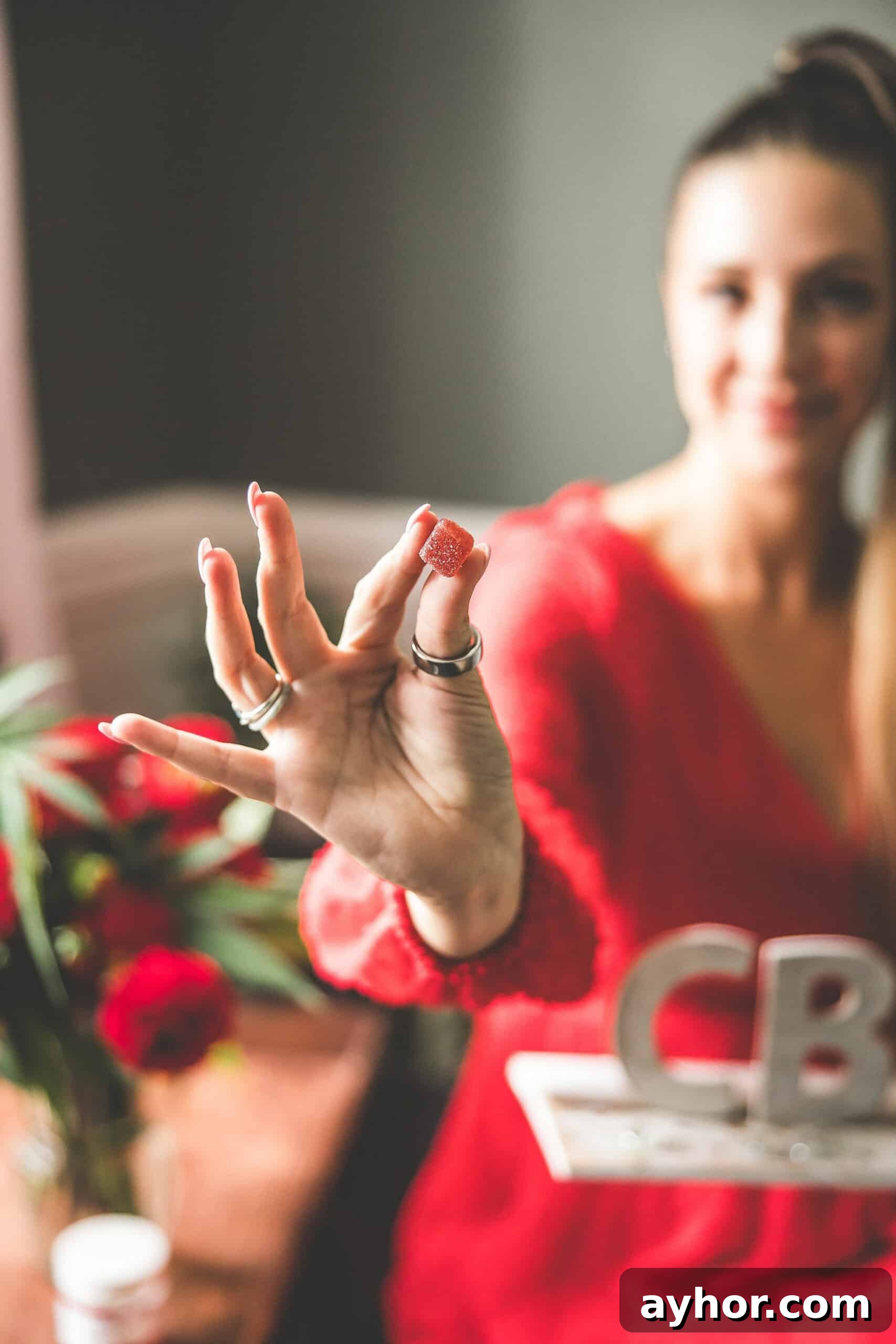
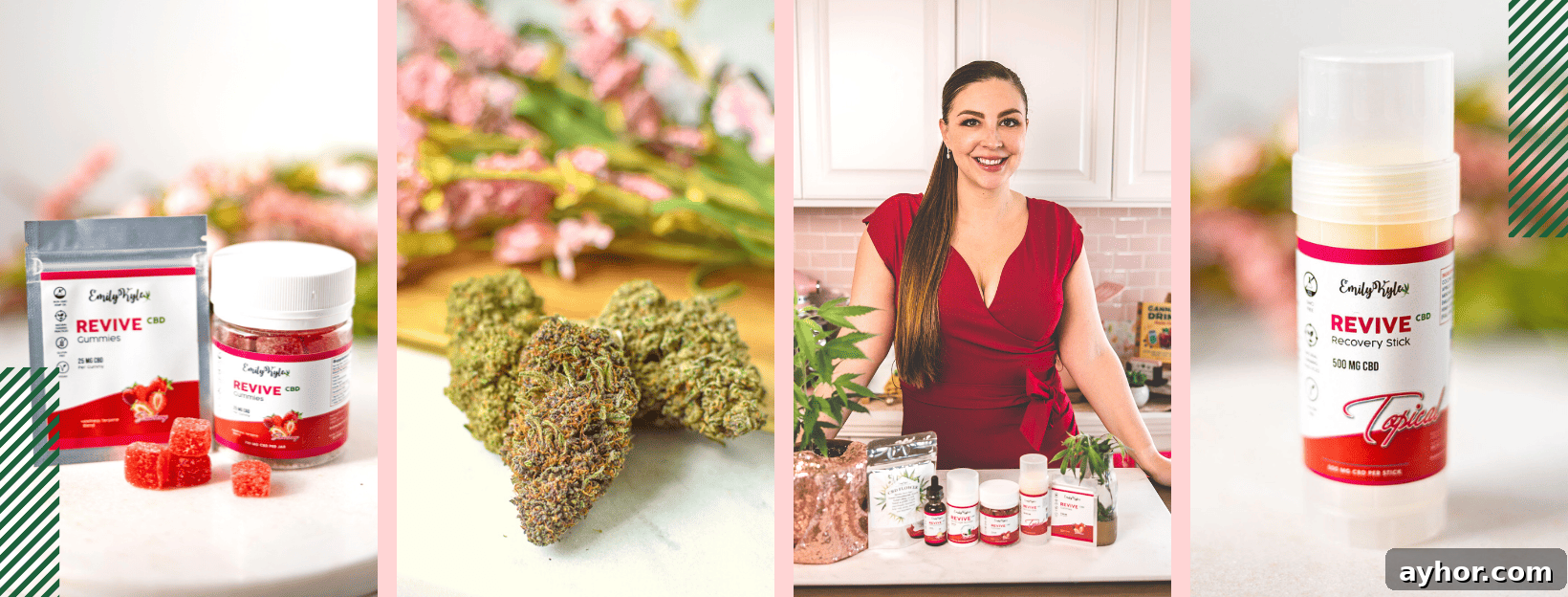
CBD is available in many forms to suit different preferences and needs. Consider onset time, duration, and your intended use when choosing a product.
Below are common product types and how they typically perform.
CBD Flower
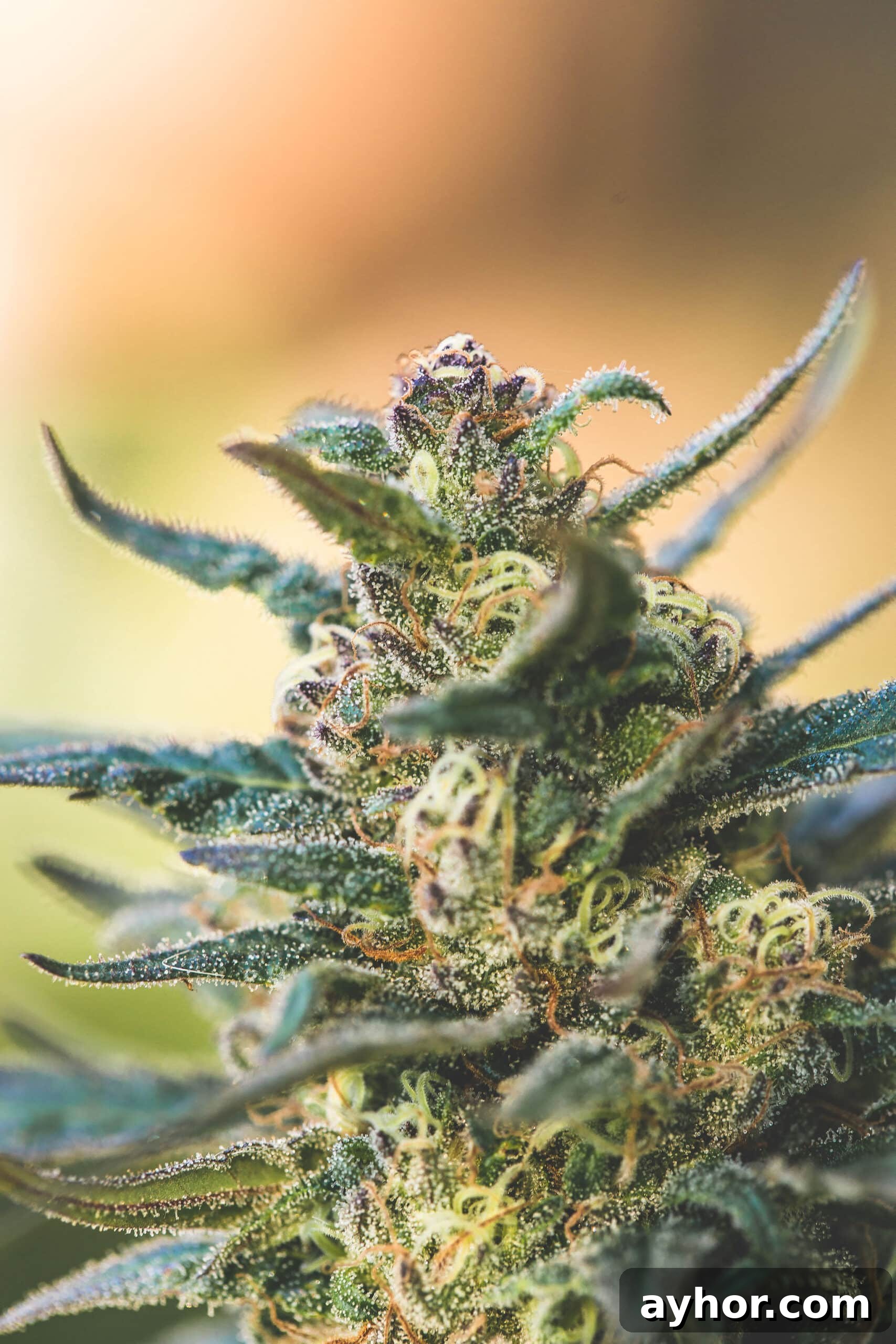
CBD flower is the raw form of cannabis bred for higher CBD and lower THC content. Legally, hemp flower contains less than 0.3% THC; anything above that is typically classified as marijuana.
Appearance alone won’t tell you CBD content—lab testing is the reliable way to confirm cannabinoid levels. CBD flower can be smoked, vaped, or used to make homemade tinctures and edibles. Inhalation provides fast effects because cannabinoids enter the bloodstream through the lungs.
Shop High-Quality CBD Flower
Shop with Emily
Shop Now: Sour Space Candy CBD Flower
Shop with Emily
Shop Now: Lifter CBD Flower
Shop with Emily
Shop Now: White CBG Flower
Oils and Tinctures
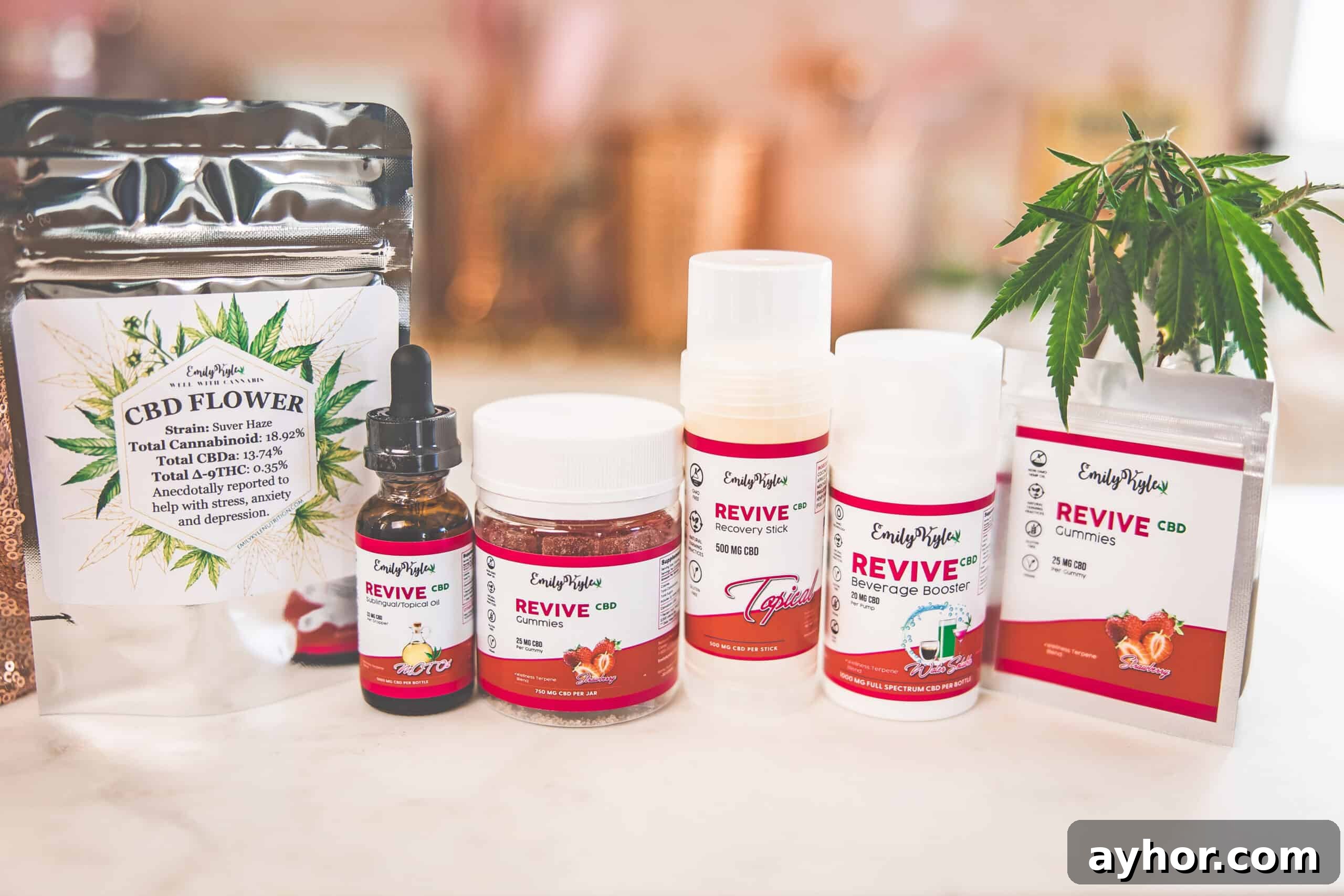
Oils and tinctures are among the most popular CBD formats. They’re usually taken sublingually (under the tongue) with an eyedropper, allowing relatively quick absorption and straightforward dose control.
You can also make homemade CBD oil or CBDA tinctures from flower for cooking or precise dosing. Oils are versatile and work well for people who want consistent, easy-to-measure serving sizes.
Try These Edible CBD Options
Shop with Emily
Shop Now: CBD Revive Oil
Cannabis Infusions & Extractions
Easy Homemade CBD Oil Recipe
Cannabis Infusions & Extractions
How to Make a CBDA Tincture
CBD Edibles
Edibles are a discreet and flavorful way to use CBD without inhalation or sublingual administration. Options include gummies, infused butters, and baked goods. Because edibles are processed through the digestive system, onset is slower but effects often last longer.
Try Edible CBD Products
Shop with Emily
Shop Now: CBD Wellness Gummies
Shop with Emily
Shop Now: Bliss Beverage Booster
Shop with Emily
Shop Now: Bliss Micro Gummies
Shop with Emily
Shop Now: Bliss MCT Oil
Topical CBD Products
Topicals—creams, lotions, and balms—are applied directly to the skin for localized relief. They can be helpful for targeted pain, inflammation, or certain skin concerns. Because topicals act locally, they typically don’t cause intoxication even if they contain trace THC.
Shop For CBD Topicals
Shop with Emily
Shop Now: Relief Stick
Shop with Emily
Shop Now: Topical CBD Salve
Shop with Emily
Shop Now: Topical CBD Stick
Shop with Emily
Shop Now: Topical CBD Face Cream
Risks and Side Effects
CBD is generally well tolerated, but it can cause side effects in some people. Commonly reported effects include fatigue, dry mouth, and changes in appetite. Fatigue tends to occur more often with higher doses or when people first try CBD.
Because CBD can affect the Cytochrome P450 enzyme system, it may alter how some prescription medications are metabolized. For that reason, consult your healthcare provider before starting CBD, especially if you take other medications or have underlying health conditions.
In Conclusion
CBD is a versatile, non-intoxicating compound with a growing body of research supporting its potential to support balance and well-being. Whether you explore oils, edibles, topicals, or flower, choose high-quality products, start with a low dose, and consult a healthcare professional if you have concerns.
With careful use and realistic expectations, CBD can be a helpful addition to a balanced, holistic approach to health.
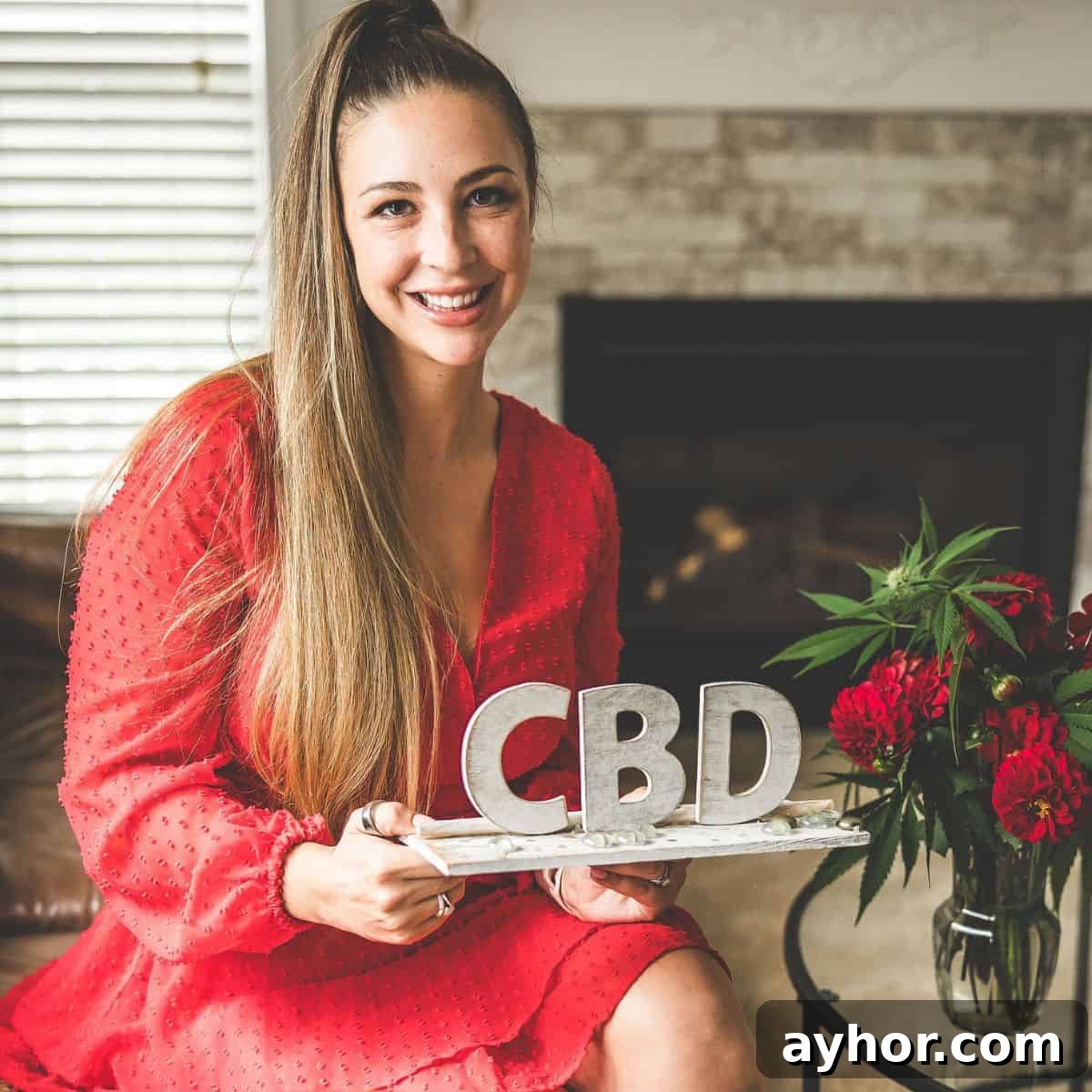
Unlock the Secrets of CBD in Just 5 Days…
If you’d like structured guidance, consider a focused workshop that explores how CBD and THC can support your wellness goals with practical tips and personalized strategies.
More CBD Guides You Will Love
CBD Guides & Recipes
The Ultimate Guide to CBDA
CBD Guides & Recipes
The Ultimate Guide to CBD » For Wellness
CBD Guides & Recipes
Your Guide to Getting Started with CBD Flower
CBD Guides & Recipes