Is your genealogy research stalled? What do you do when you can no longer find your ancestors in the usual records? If census records, wills, vital records, and land documents have been exhausted and there’s no family Bible or living relative to tell the stories, it’s time to expand your search to less obvious sources.
Every genealogist reaches this crossroads. It can be frustrating, but it’s also an opportunity to elevate your research and discover evidence others may have overlooked.
Explore These 6 Uncommon Genealogy Resources!
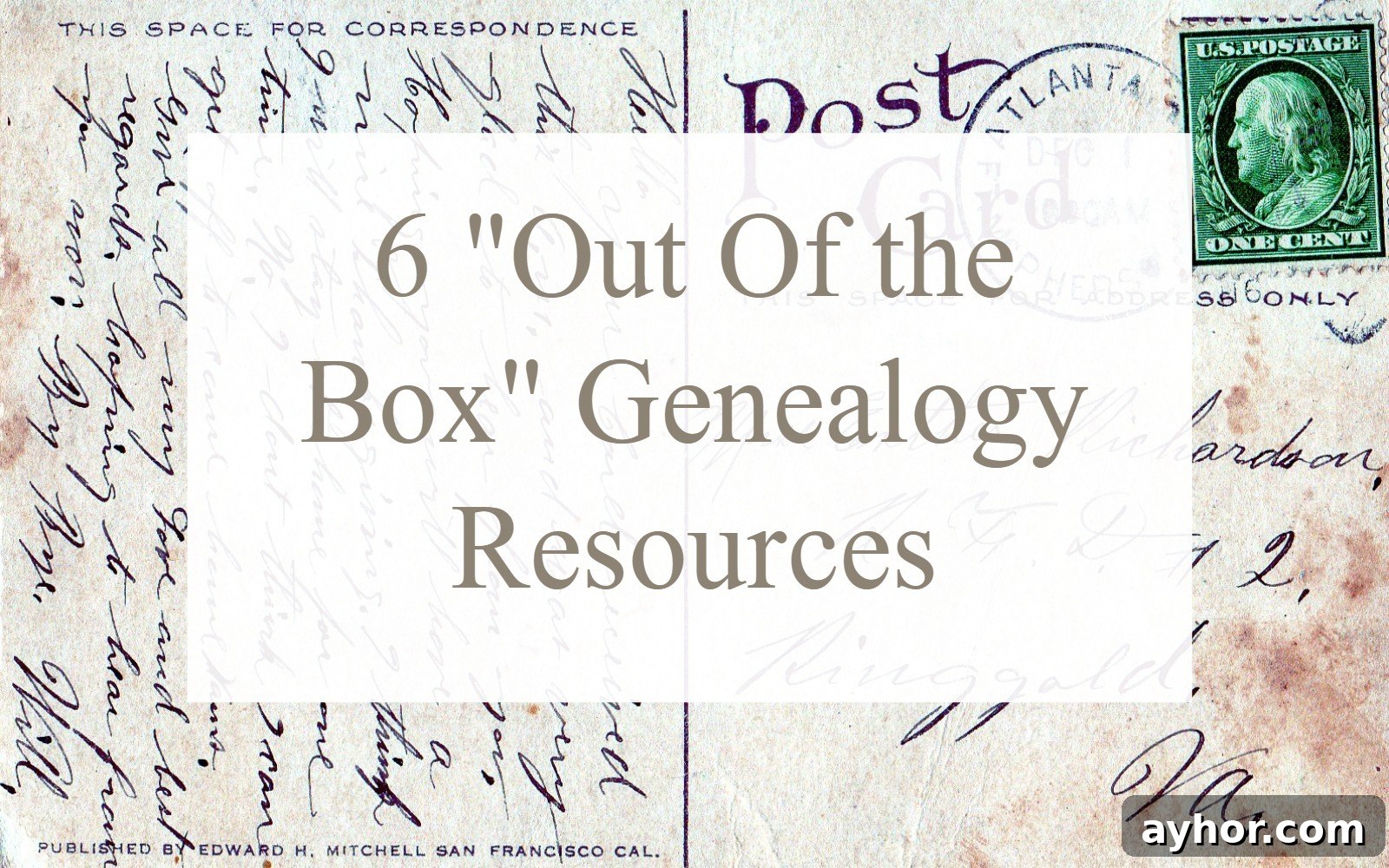
- Letters and postcards – Ask relatives specifically about any old letters or postcards. People rarely volunteer them, so you’ll usually need to request to see keepsakes. Letters are often tucked into family Bibles, inside treasured books, among photographs, or in drawers where small items are kept. These documents can reveal names, relationships, addresses, dates, places of origin, and personal details that don’t appear in official records.
- Baby books – Baby books offer more than cute photos. Examine gift registries, lists of congratulations, or notes from visitors. Names found there are often family members or close friends; track each name and determine its connection to the child. Baby books are a particularly useful source for tracing female ancestors and uncovering married surnames.
Yes, this may sound tedious and time-consuming — and it can be.
Thorough research takes time, but being meticulous is critical for accurate family trees. Rushing or relying only on the obvious sources increases the risk of disconnecting branches that belong together. When traditional records are missing or exhausted, thinking outside the typical genealogy box is essential.
Consider what your ancestor might have kept or passed down, and what records the community created and preserved. Small, seemingly mundane items—receipts, notes, programs, or a signed photograph—can provide the clue you need to move forward.
Tip – Search state and local archives, especially their digitized collections, for unique materials. Digital collections maintained by cultural institutions often surface unexpected records that can break research dead ends.
Your Action Item Today
- On a blank sheet of paper, write the ancestor’s name, location, and time period you are researching. Set a timer for 5–10 minutes and brainstorm every uncommon record or “out of the box” source that might apply to that person. Don’t overthink—capture any idea that comes to mind.
- Use your brainstorm to create a targeted research plan tailored to those unusual resources and repositories.
Have you found an unusual or “out of the box” genealogical record? Share your discoveries in the comments!
Other posts of interest
- How To Research “Out of the Box” Genealogy – (Round 2)
- 31 Days of “Out of the Box” Genealogy Tips – Volunteer! — check out the whole 31-day series
- 15 Places to Find the Genealogy Records You Need
- How To Research Your Destitute Ancestors – Yes, It’s Possible
- Getting Started With School Records for Genealogy Research
::::::::::::::
Pin for future reference!