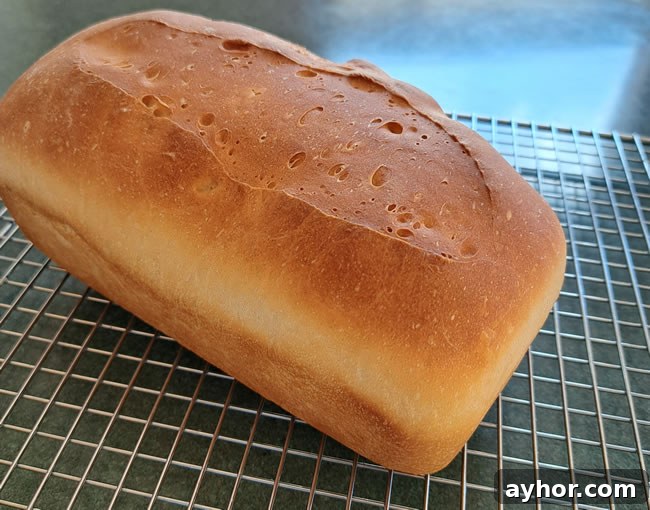
Here’s general guidance for finishing bread machine dough in a conventional oven.
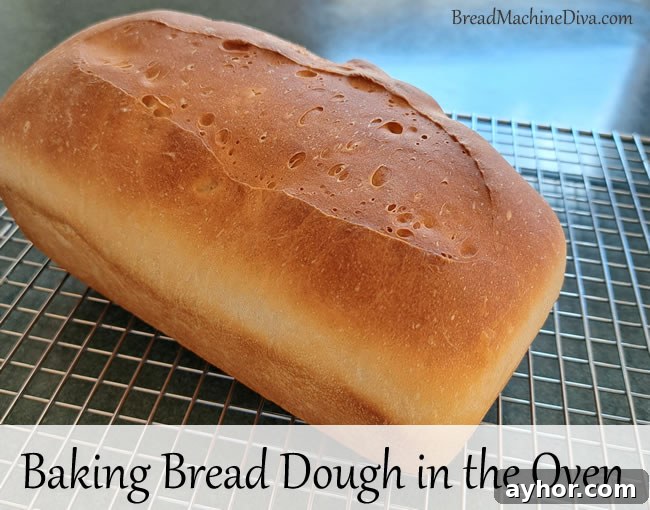
How to Bake Bread Dough in the Oven
Last updated August 25, 2025 – Originally posted November 26, 2024
I use a bread machine for many loaves because it’s convenient: the machine mixes, kneads, and can even bake. But many bakers prefer to use the machine only for the dough cycle and finish the loaves in a home oven. The oven can give you a more traditional shape, a crisper crust, and avoid the kneading-paddle holes in the bottom of the loaf. Below is a straightforward, practical guide to taking dough from your bread machine and finishing it in the oven.
Why Bake Bread Machine Dough in the Oven?
There are a few common reasons bakers prefer the oven:
- Shape: Many machines use a vertical pan that produces a taller, sideways loaf. Baking in a conventional horizontal loaf pan yields the classic rectangular shape most people expect from bakery or store-bought bread, and it’s easier to slice uniformly.
- Appearance: Bread machine kneading paddles can leave a hole or indentation in the bottom of the loaf. Baking in the oven eliminates this visible sign of machine kneading, which matters when giving bread as a gift.
- Crust: Ovens can produce a crisper, browner crust than some bread machine baking cycles, giving a more artisan finish to the loaf.
Bread Machine Cycles: What Happens During the Basic Setting
Understanding the machine cycles helps you decide when to remove the dough. While settings and names vary between brands and models, the basic stages are similar:
Rest (Preheat) Cycle: Not all machines include this step, but it gently warms the liquids and softens fats so ingredients combine consistently.
Knead Cycle: Mixes and kneads the dough to develop the gluten network, which provides structure and elasticity.
First Rise: Yeast becomes active and produces carbon dioxide, causing the dough to expand. Gluten structure continues to strengthen.
Punch Down / Stir Down: The dough is deflated to release large gas pockets and prepare for the next rise.
Second Rise: A second fermentation that improves volume and crumb structure.
Additional Punch Down / Rises: Some machines offer extra rises for specialty settings; others stop after the second rise.
Bake: If you let the machine proceed to bake, it will perform oven spring and brown the crust. If you plan to bake in your home oven, stop the machine after the dough cycle or when the second rise is complete.
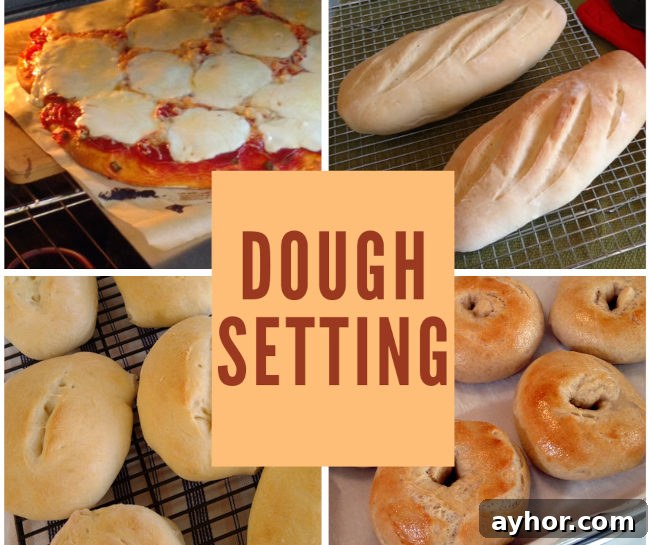
Note: This article focuses on taking dough from a bread machine and baking it in a conventional oven. If you want to make items like rolls, hoagies, or bagels from bread machine dough, follow recipes designed for those shapes and baking methods.
General Instructions for Baking Bread Machine Dough in the Oven
The following steps are broad, practical instructions. Your machine may label cycles differently, and ingredient amounts or loaf sizes will vary by recipe.
1. Use the Dough Setting: Choose the bread machine’s dough setting (often called “dough” or “dough cycle”). This typically completes the mixing, kneading, and up to the second rise. Do not let the machine proceed to its bake cycle if you plan to bake in the oven.
2. Prepare Pans: For a 2-pound machine dough, you’ll usually divide it into two 9×5 or 9×6 inch loaf pans. Grease the pans lightly with oil or nonstick spray.
3. Deflate and Divide: Turn the dough onto a lightly floured surface. Punch it down gently to release large gas bubbles. Divide the dough into equal portions for the number of loaves you want.
4. Shape the Loaves: Flatten each piece into a rectangle roughly the length of your loaf pan and 1/2 to 3/4 inch thick. Roll the dough jelly-roll style, tucking the seam underneath and pinching edges to seal. Place each roll seam-side down in a greased pan and press lightly into the corners for an even shape.
5. Score the Tops: Lightly score the top of each loaf with a lame or a sharp knife. A single center cut about 1/2 inch deep (leaving about an inch uncut on each end) helps control how the loaf expands in the oven.
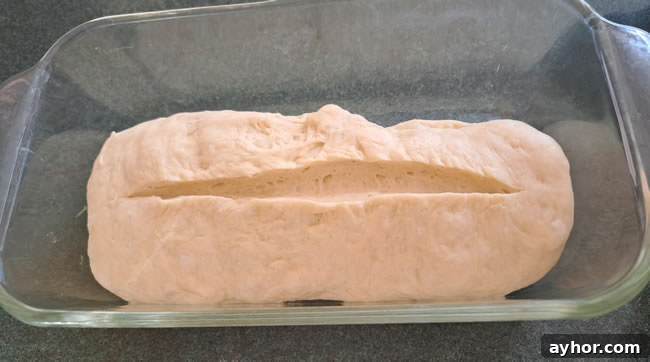
6. Final Rise: Cover the pans with a lightweight kitchen towel and let the dough rise until it is just above the rim of the pan. This typically takes 45 minutes to 1.5 hours depending on room temperature and humidity. Avoid overproofing — if the dough is more than an inch above the pan edge it may collapse during baking.
7. Preheat Your Oven: Remove the towel and preheat the oven. Baking temperature depends on the type of bread. Many standard white or sandwich breads bake well at 350°F (175°C) for 30–45 minutes. Start checking doneness around 30 minutes. Crust color and firmness are good indicators: the crust should be nicely browned and firm to the touch.
8. Bake and Cool: Slide the pans into the preheated oven. Bake until the internal temperature reaches about 190–200°F (88–93°C) for enriched breads and about 200–210°F (93–99°C) for leaner crusty loaves, or until the crust is well browned and the loaf sounds hollow when tapped. Remove from the oven, let the loaves rest in the pan a few minutes, then transfer to a rack to cool completely before slicing.
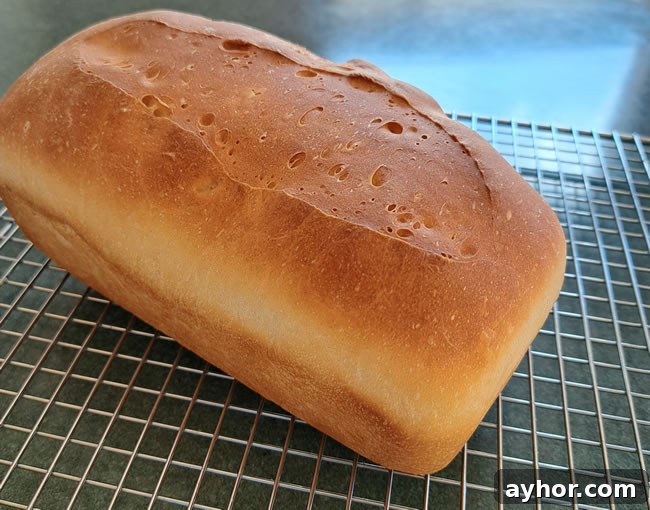
These steps will help you convert bread machine dough into attractive, evenly shaped loaves with a crisper oven-baked crust. Adjust rise times and oven temperatures to suit the specific recipe and your oven’s behavior, and you’ll get consistently good results.