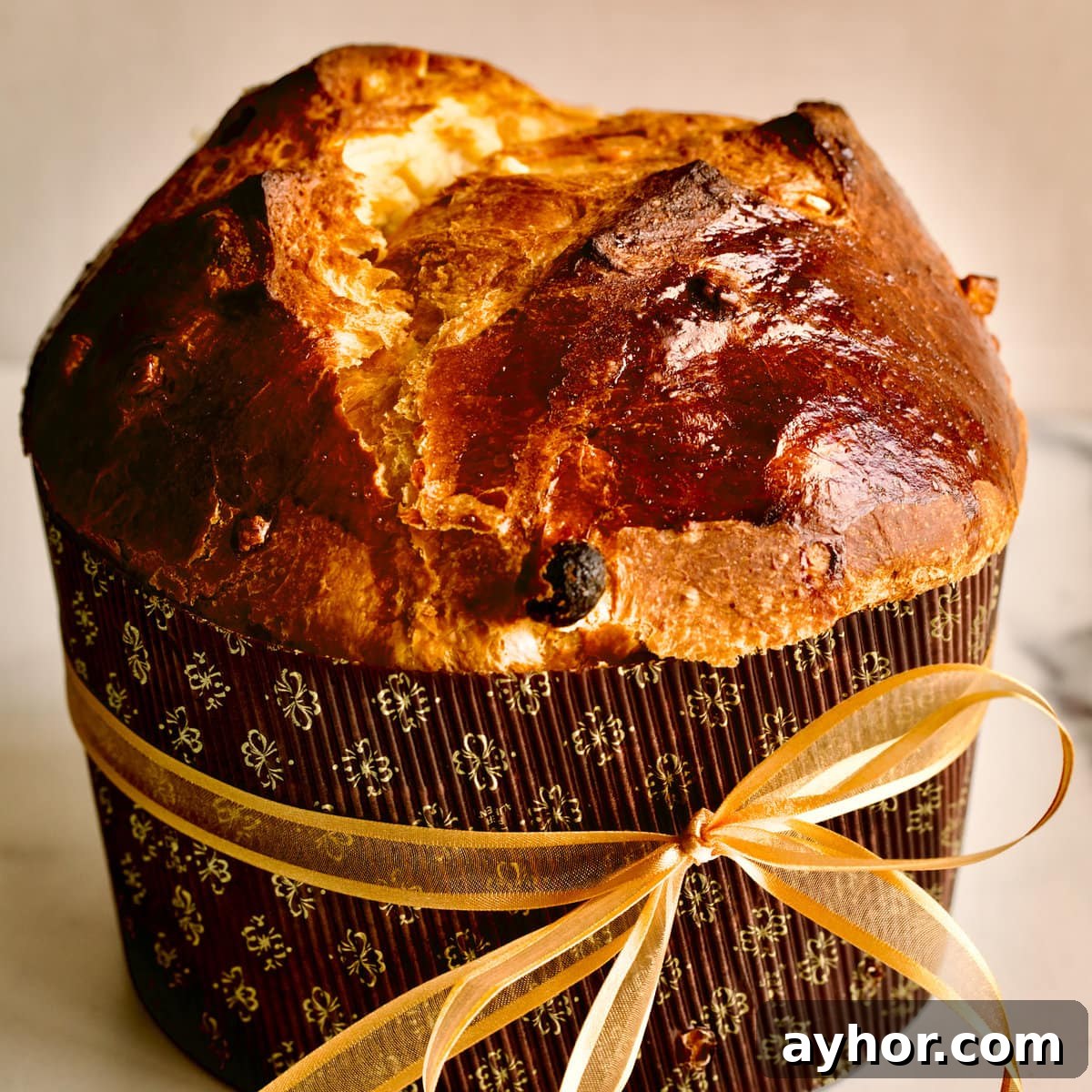
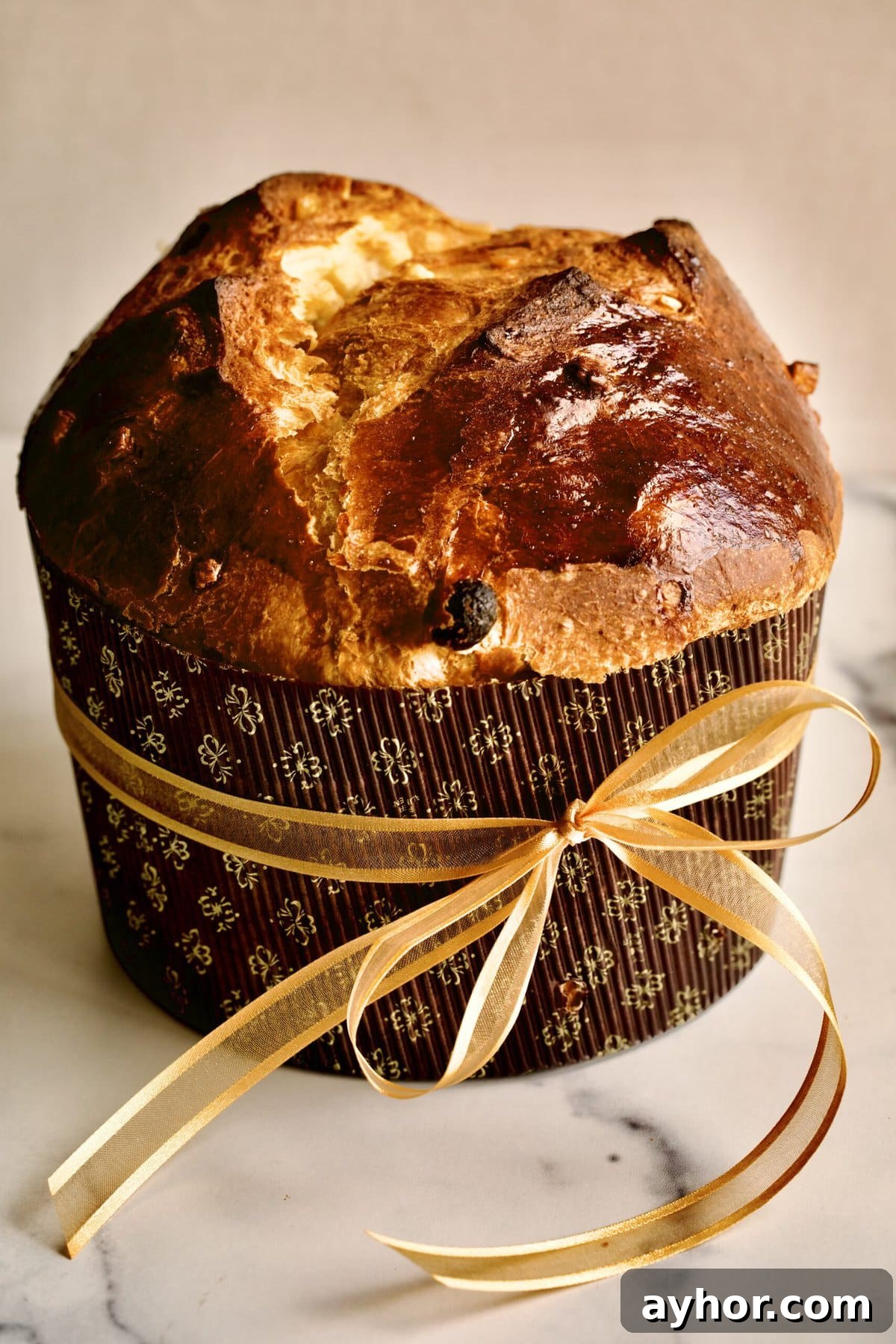
Traditional Italian Panettone is a light, citrus-scented sweet bread studded with candied orange and raisins. Rich and buttery, it becomes a holiday staple — perfect for sharing at Christmas. This guide walks you through the process step-by-step so even a beginner baker can succeed.

Quick Look at This Recipe
- Prep Time: 40 minutes
- Cook Time: 45 minutes
- Total Time: 5 hours 25 minutes (including rising time)
- Servings: 12
- Dietary Info: Vegetarian; can be made dairy-free
- Method: Oven baked
- Technique: Prepare a starter (biga) the night before, hydrate mix-ins, combine dough in stages, incorporate butter and fruit, shape, proof in a tall mold, bake, then cool upside down to preserve the dome.
- Flavor & Texture: Light, airy crumb with bright citrus notes and a golden crust — an elegant centerpiece for holiday tables.
Why You’ll Love This Recipe

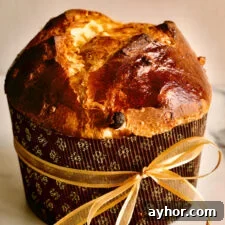
Panettone is an enriched sweet bread similar to brioche, flavored with lemon and orange zest, candied orange peel, and raisins. It is traditionally baked in a tall paper mold, which gives it the characteristic domed shape.
Often called Italian Christmas bread, panettone is shared with family and friends during the holidays and makes a special addition to festive breakfasts or dessert tables. This recipe is adapted from a family recipe and echoes other Italian enriched breads you may know.
Made With Amore,

“When I married my Italian husband I was told that no one makes panettone from scratch – it’s too complicated. But this recipe changed that and I made a perfect panettone on my first try! It’s clear, easy to follow, and the results are excellent. Thank you!”
– HP
Table of Contents
- Quick Look at This Recipe
- Why You’ll Love This Recipe
- Ingredients for Italian Panettone
- Variations & Substitutions
- How to Make Italian Panettone
- How to Fold the Panettone Dough
- Recipe FAQs
- Serving Suggestions
- Expert Tips
- Other Italian Desserts You’ll Love
- Traditional Italian Panettone Recipe
Ingredients for Italian Panettone
Homemade panettone is absolutely worth the effort. You’ll use simple ingredients, and candied fruit is readily available at this time of year.
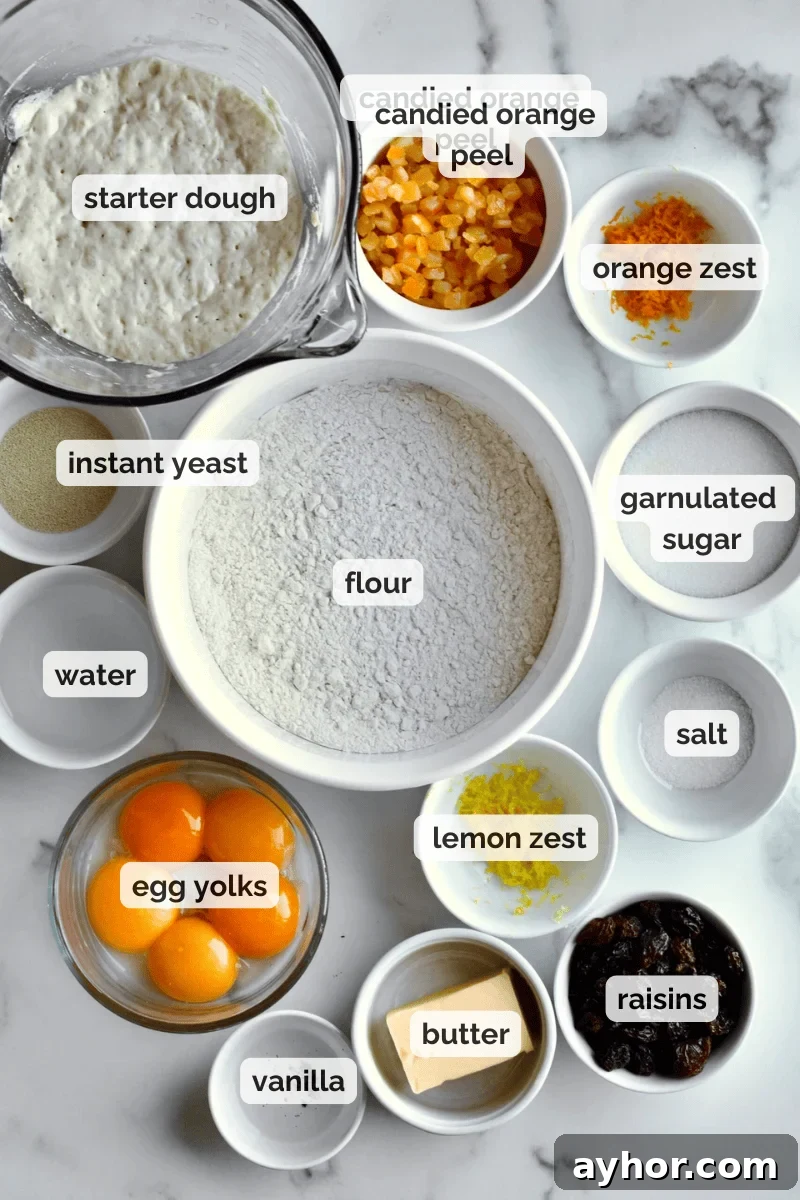
- Flour: Use all-purpose flour for the starter (biga) and all-purpose or bread flour for the dough as preferred.
- Instant Yeast: Ensure your yeast is fresh. With instant yeast you do not need to bloom it first.
- Lemon & Orange Zest and Candied Peel: Fresh zest adds bright aroma; chopped candied orange peel contributes classic panettone flavor.
- Raisins: Hydrate briefly before use so they stay plump in the baked bread.
See the recipe card below for full ingredient quantities and details.
Variations & Substitutions
While the classic panettone is studded with candied citrus and raisins, you can easily adapt it to other flavors:
- Chocolate Chip: Stir in dark chocolate chips instead of fruit for a modern favorite.
- Black Forest: Dried cherries, candied orange, and chocolate chips.
- Rum-Soaked Raisins: Soak raisins in rum for a boozy, aromatic twist.
- Dairy-Free: Replace butter with solid coconut oil or vegan margarine.
How to Make Italian Panettone
This method follows a traditional approach: prepare a starter the night before, hydrate mix-ins, then complete the dough and bakes the next day. Using a kitchen scale and accurate measurements improves results. Plan for multiple rises and folding steps to develop structure and an open crumb.
The Night Before Baking
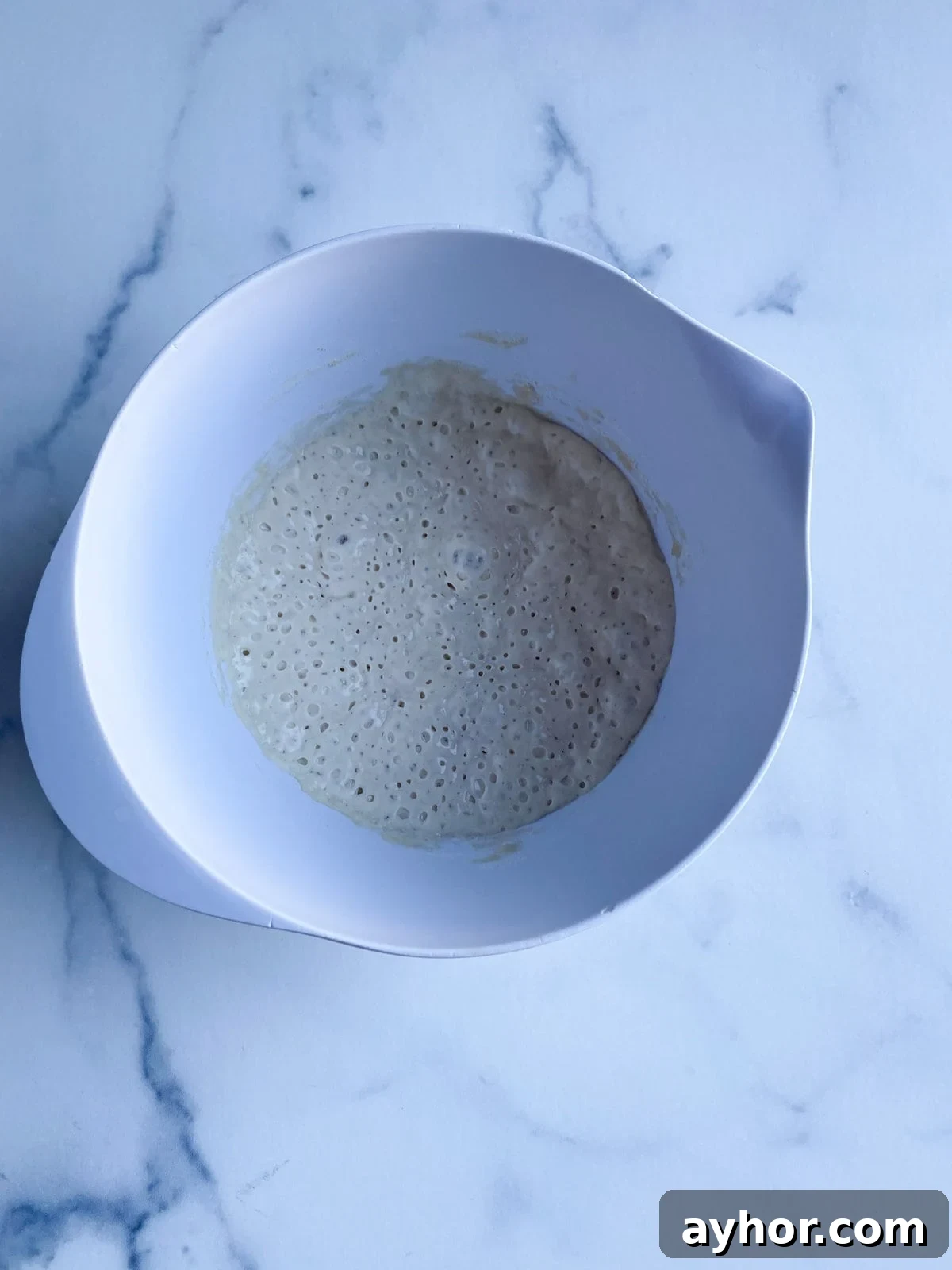
- Starter (Biga): Mix the starter ingredients until a shaggy dough forms. Cover and leave in a warm spot for 8–12 hours until puffed. This pre-ferment builds flavor and strength.
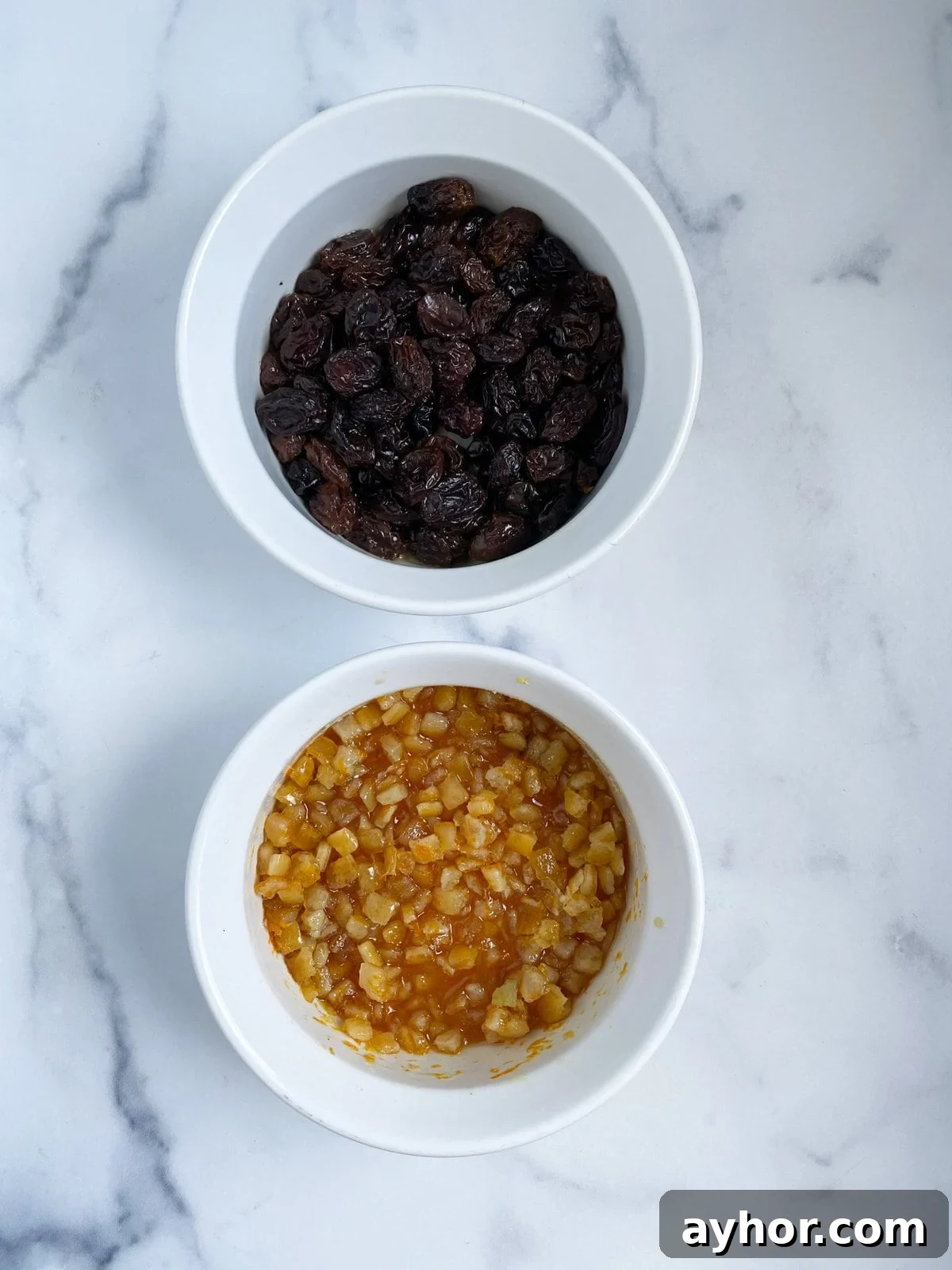
- Mix-ins: Combine honey, vanilla, candied orange peel and zest. In another bowl, cover raisins with water so they stay moist; refrigerate overnight.
Baking Day
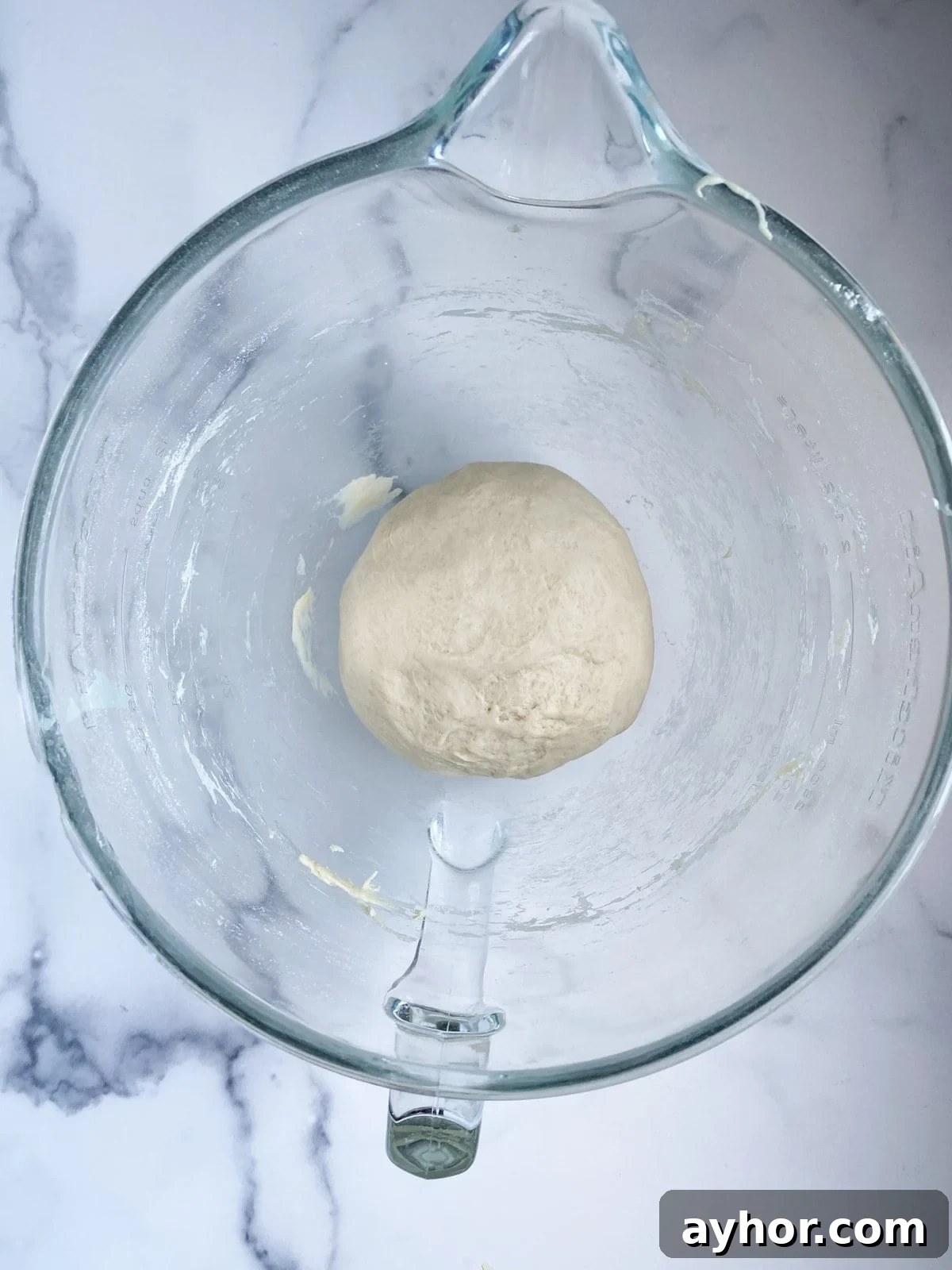
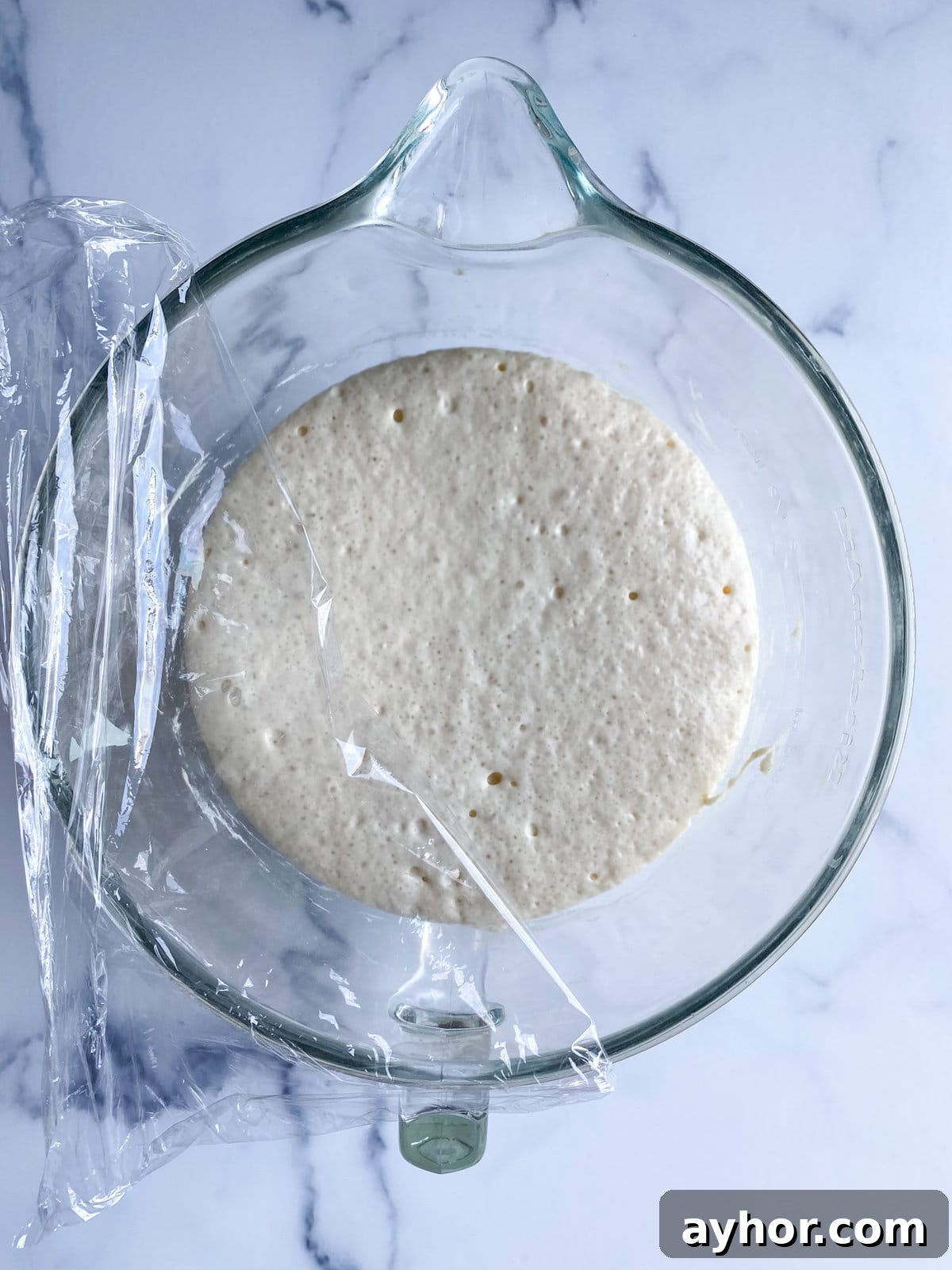
- Combine the starter, half the flour, water and yeast in a stand mixer with a dough hook. Knead about 5 minutes, then cover and let rise 1 hour until noticeably puffed.
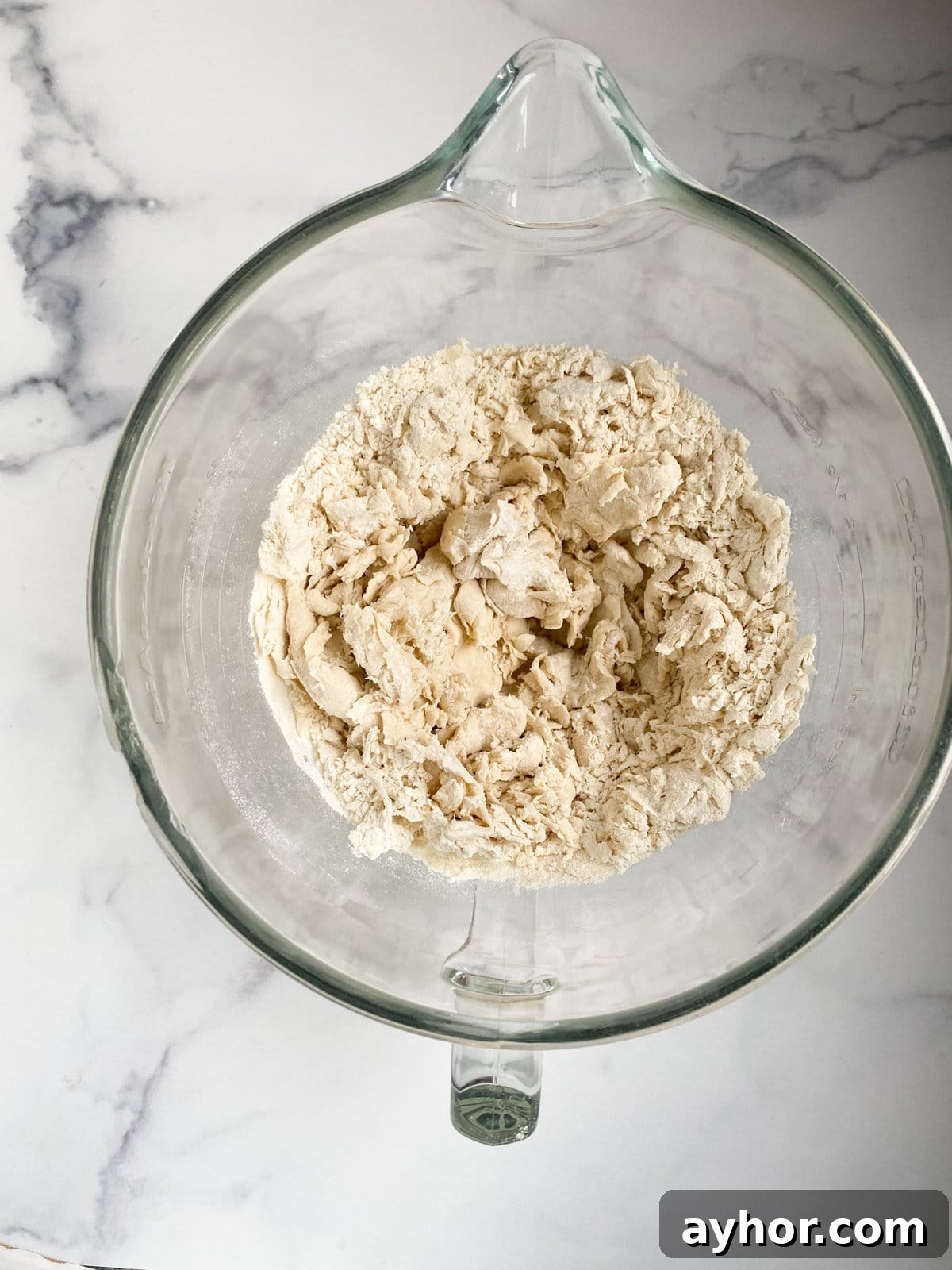
- Add the remaining flour; the dough will look shaggy and crumbly. Rest 10 minutes.
- Beat egg yolks with salt and sugar until creamy (about 5 minutes). Stir in the honey and citrus mixture.
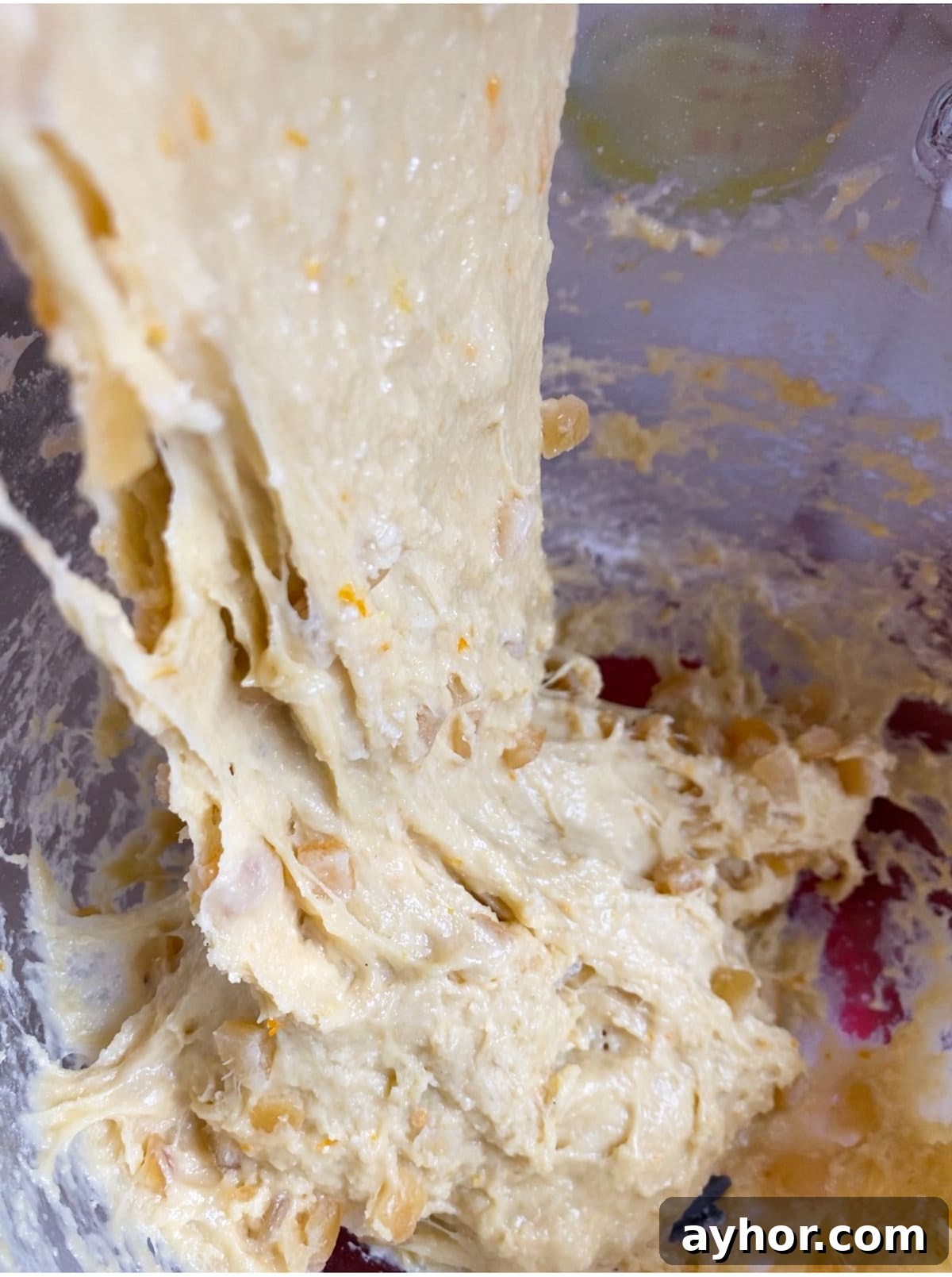
- Slowly add the egg mixture to the dough and mix until a sticky, cohesive dough forms. If necessary, add small amounts of flour to help it come together.
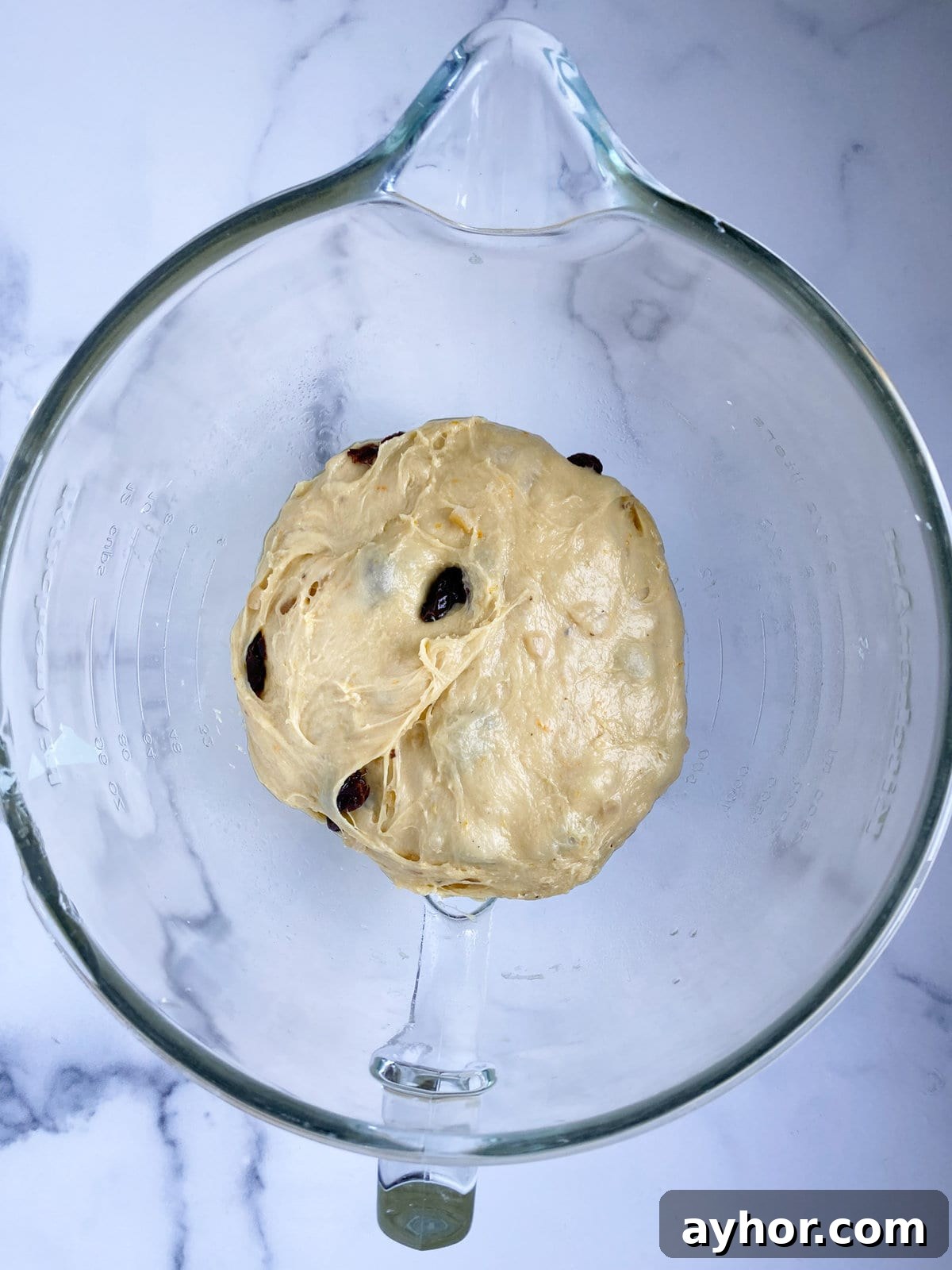
- Add softened butter in small pieces, mixing after each addition until incorporated. Drain the raisins and gently fold in the fruit and candied peel.
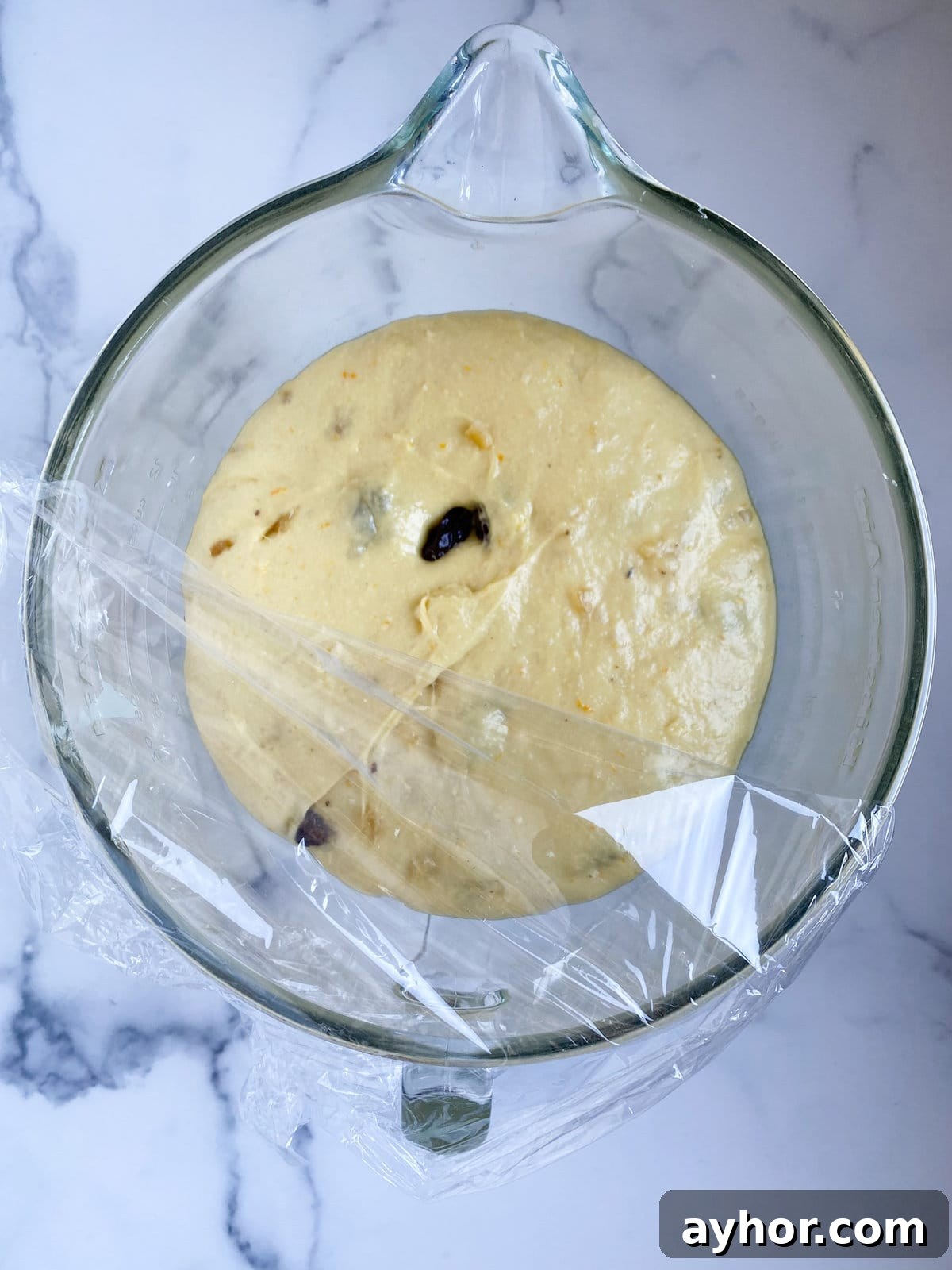
- Transfer dough to a greased bowl, cover and let rise 1–1½ hours until puffy and roughly doubled. Gently deflate.
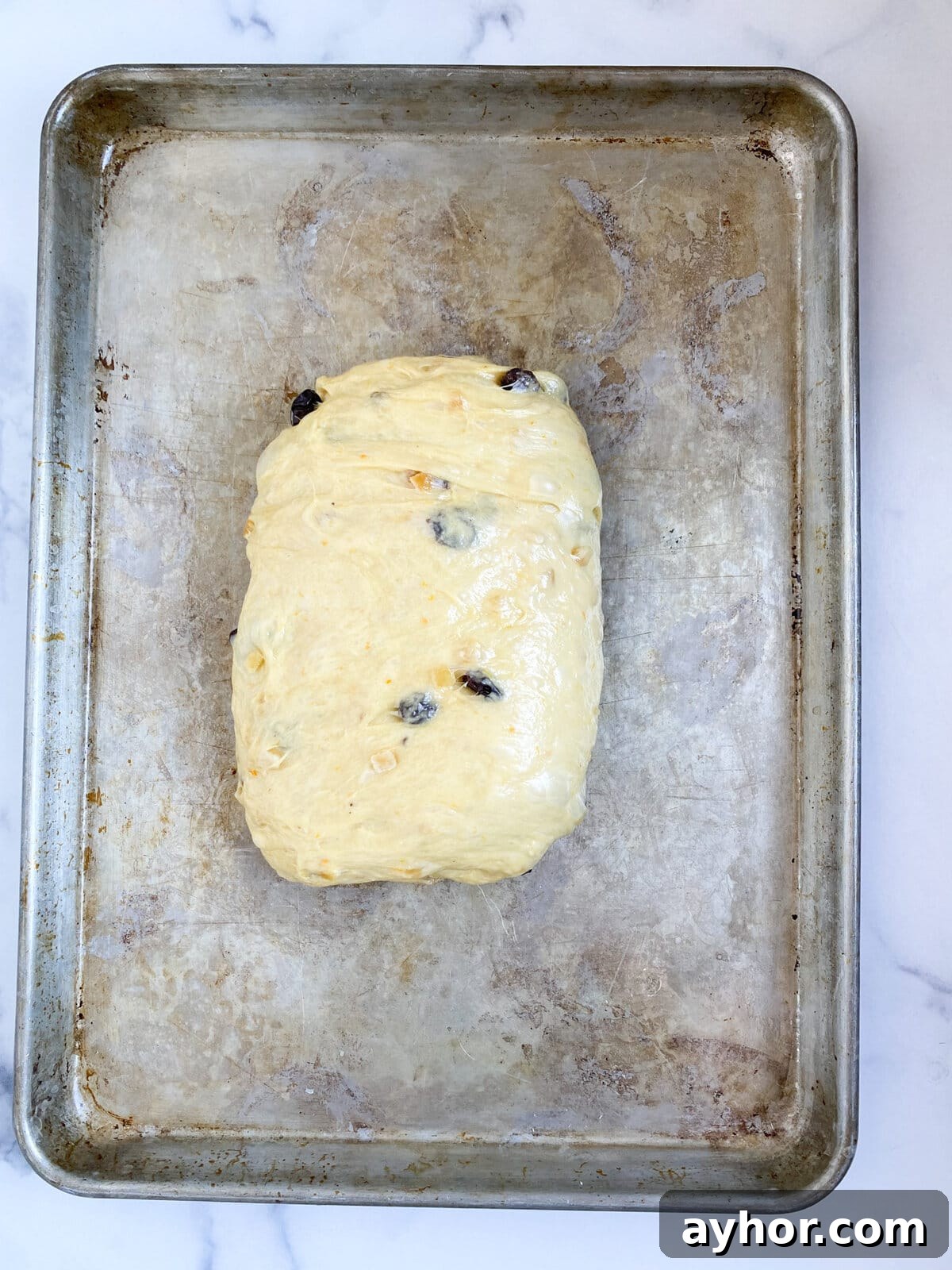
- Fold and shape: On a greased surface, perform a series of stretch-and-folds to build strength. Rest 10–15 minutes between sets and repeat as directed. Shape into a tight ball by bringing corners to the center and pinching seams closed.
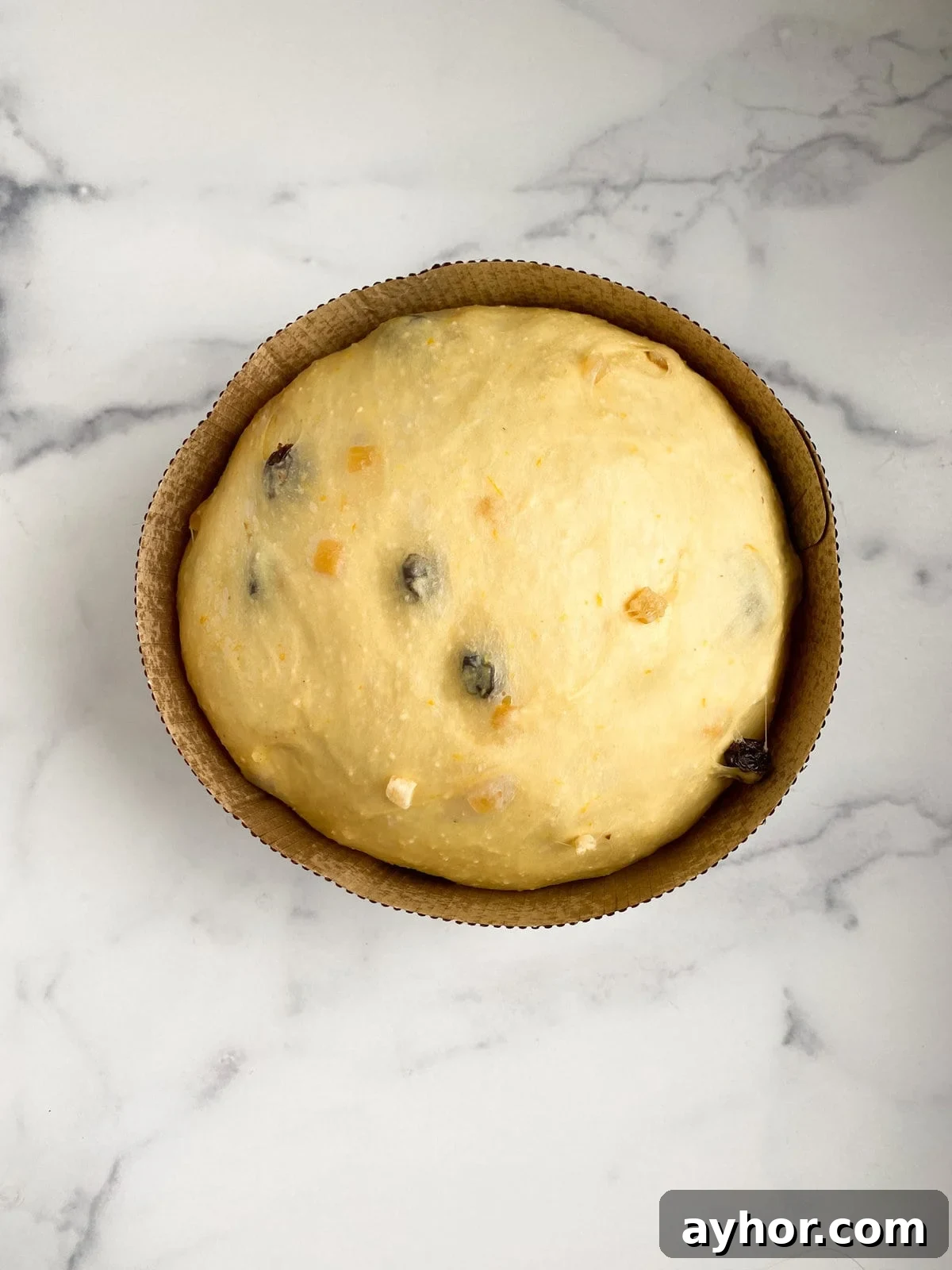
- Place the shaped dough into a well-buttered panettone mold or tall straight-sided pan. Proof in a warm place until the dough rises just over the rim, about 1½–2 hours (time depends on temperature).
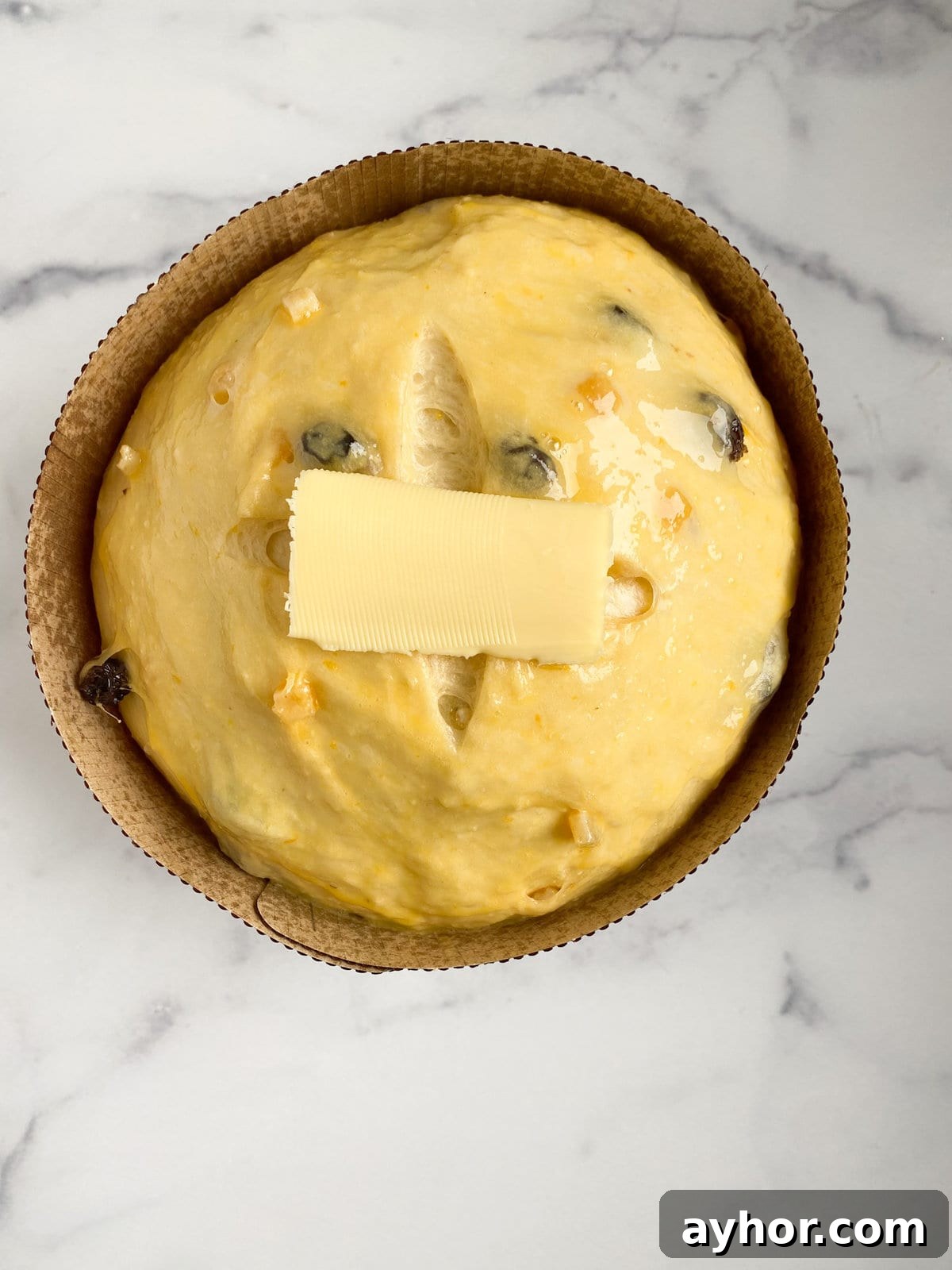
- Top and score: Brush with egg wash, make a cross cut on top with a sharp knife, and place a small pat of butter in the center. Optionally sprinkle with pearl sugar.
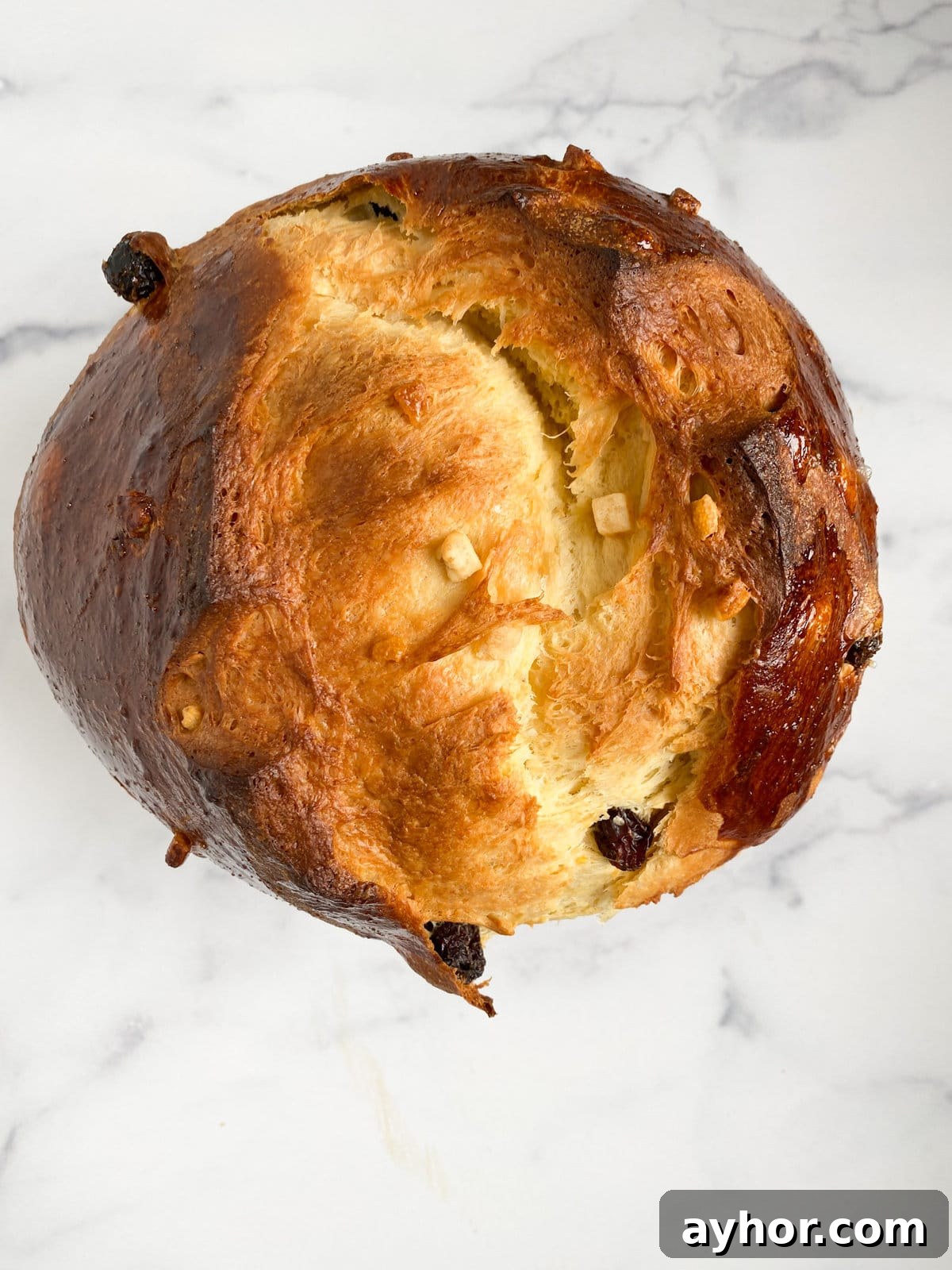
- Bake: Preheat oven to 375°F and bake 10 minutes, then reduce to 350°F and continue baking about 30–40 minutes. Tent with foil if the top browns too quickly. The center should reach 190°F when done.
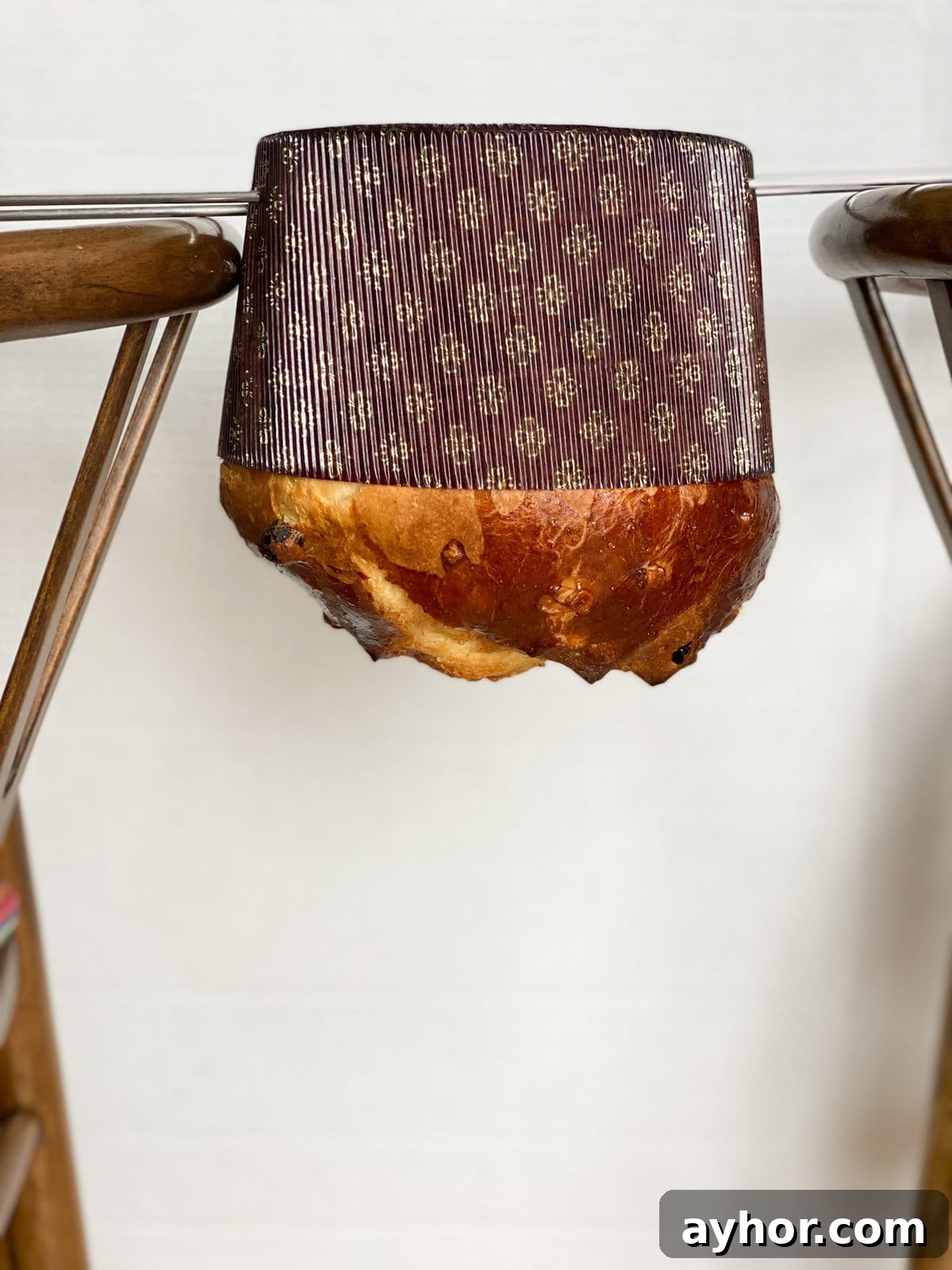
- Cool upside down: Pierce the sides with skewers and suspend the panettone between two jars to cool for a few hours. This helps preserve the domed shape and prevents the loaf from collapsing. Alternatively, cool on a rack.
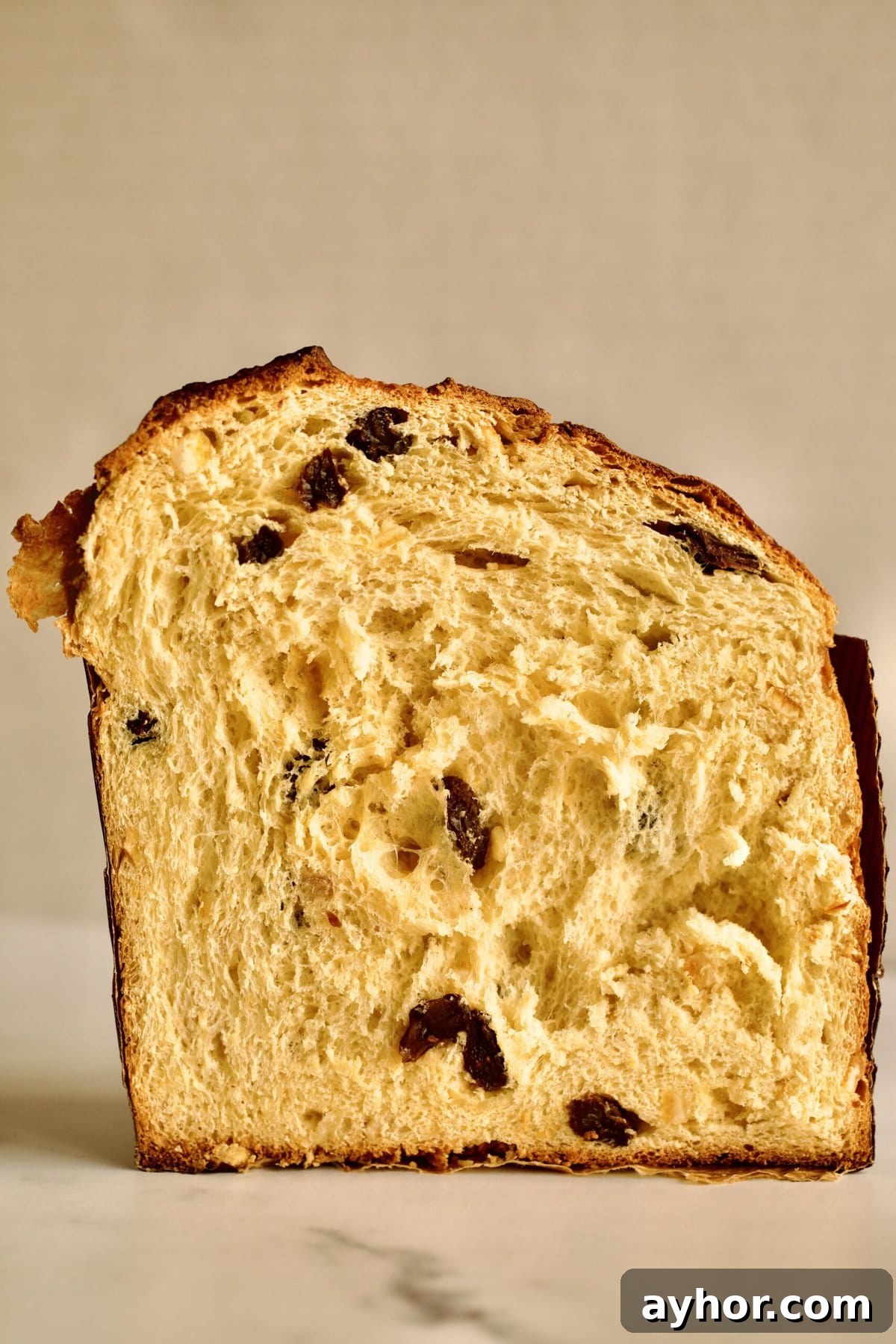
- Slice into wedges and enjoy this airy, citrusy holiday bread.
How to Fold the Panettone Dough
The shaping method, called “pirlatura” in Italian, uses repeated stretch-and-fold motions to create tension and structure in the dough. Practicing the motion will make shaping easier and improve the final rise.
Recipe FAQs
Legend places panettone’s origin in Renaissance Milan. A young cook named Toni is said to have created a rich, fruit-studded brioche that pleased a duke, and “pane di Toni” became “panettone.” The name comes from “panetto” (small loaf) with the augmentative suffix “-one” meaning a large loaf.
It’s both: an enriched sweet bread with a tender crumb and a cake-like, airy texture. Panettone is typically baked in a tall mold and often enjoyed like cake or sweet bread.
Panettone is loaded with raisins and candied fruit and shaped with a tall dome. Pandoro is a plain, buttery star-shaped cake. Both are classic Italian holiday specialties.
A fully baked panettone will be a deep golden brown, sound hollow when tapped, and register about 190°F at the center with a digital thermometer. If the top browns too quickly, tent with foil and continue baking until done.
Yes. Wrap well and store at room temperature up to a week, or freeze whole or sliced for up to one month. Thaw slices individually and warm briefly before serving.
Serving Suggestions
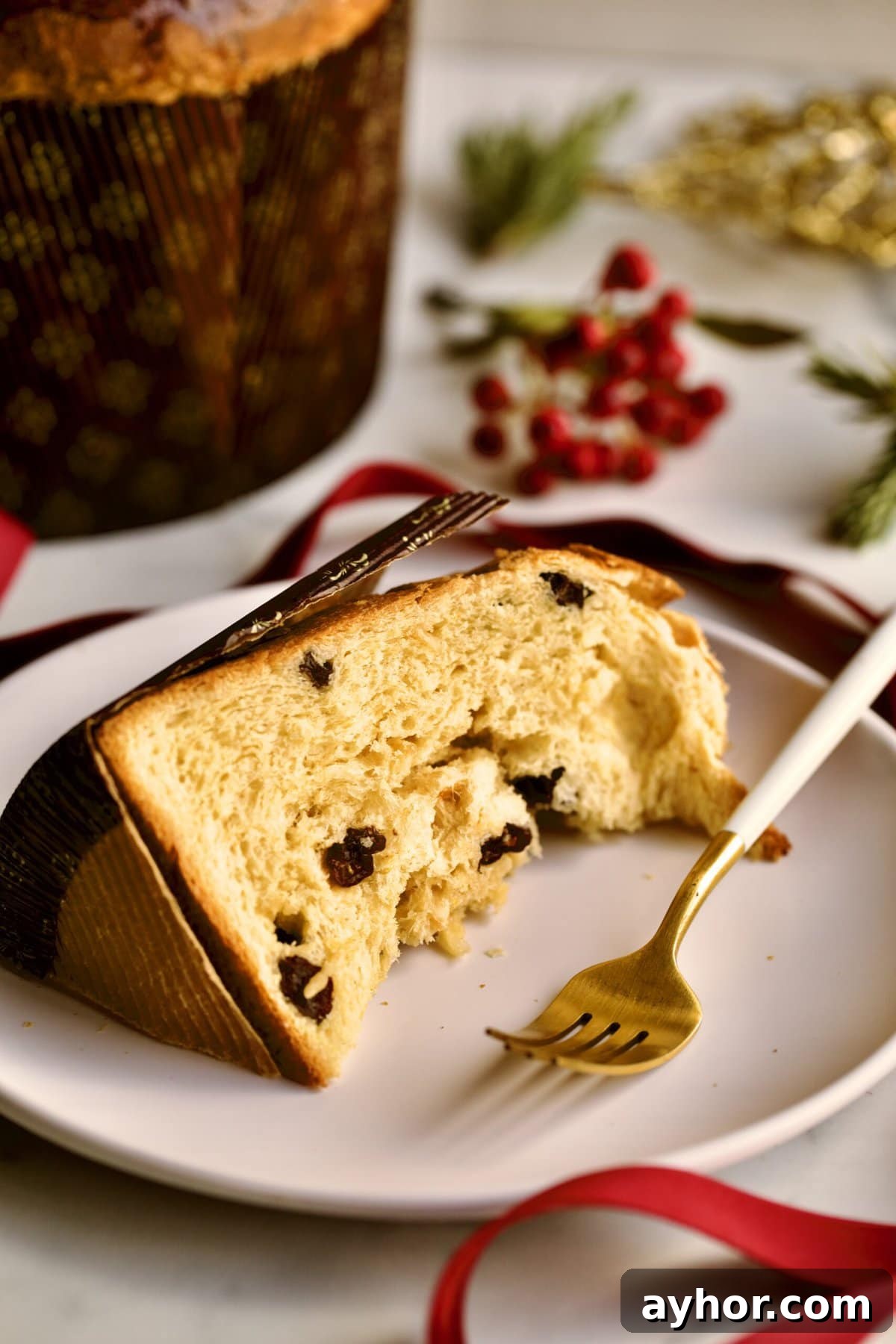
Slice panettone into wedges — thin or thick — and serve plain or with butter. Leftovers make excellent French toast or an overnight bread pudding. It pairs beautifully with hot chocolate, coffee, or a savory brunch spread.
My Pro Tips
Expert Tips
- Use room-temperature ingredients and a kitchen scale for accurate measurement.
- Hydrate raisins briefly so they remain plump when baked.
- Confirm your yeast is fresh — expired yeast will prevent proper rising.
- Be patient: allow the dough to rise fully at each stage in a warm spot or proofing drawer.
- Cool the panettone upside down to maintain its dome shape; suspend it with skewers between jars if possible.
Other Italian Desserts You’ll Love
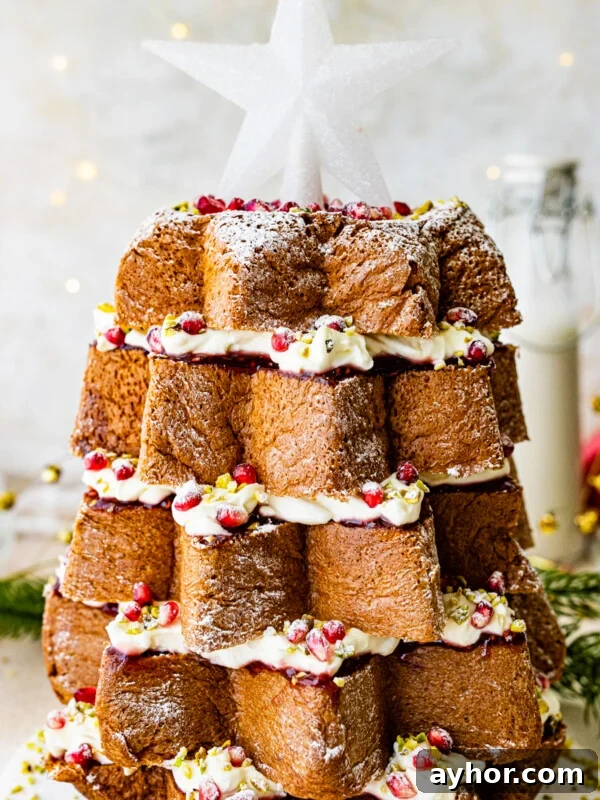
Pandoro Christmas Tree Cake (Italian Christmas Cake)
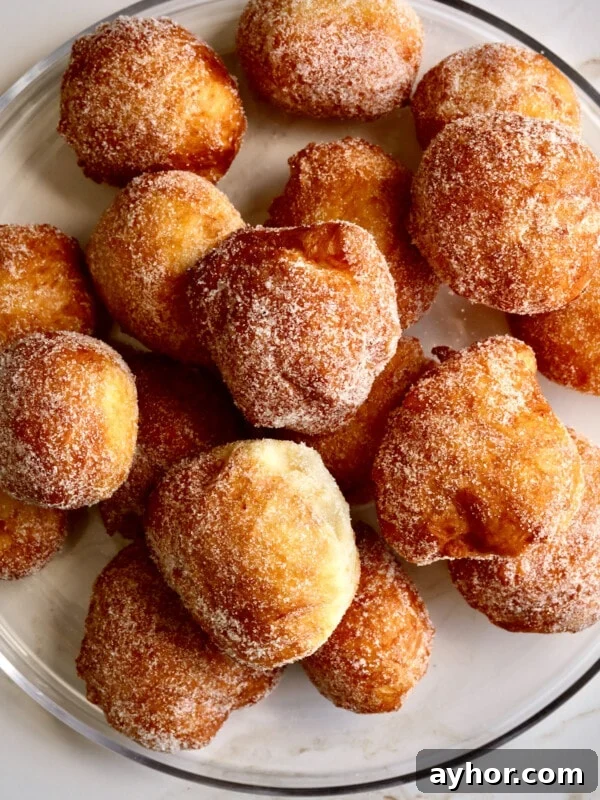
Zeppole Recipe (Italian Donuts)
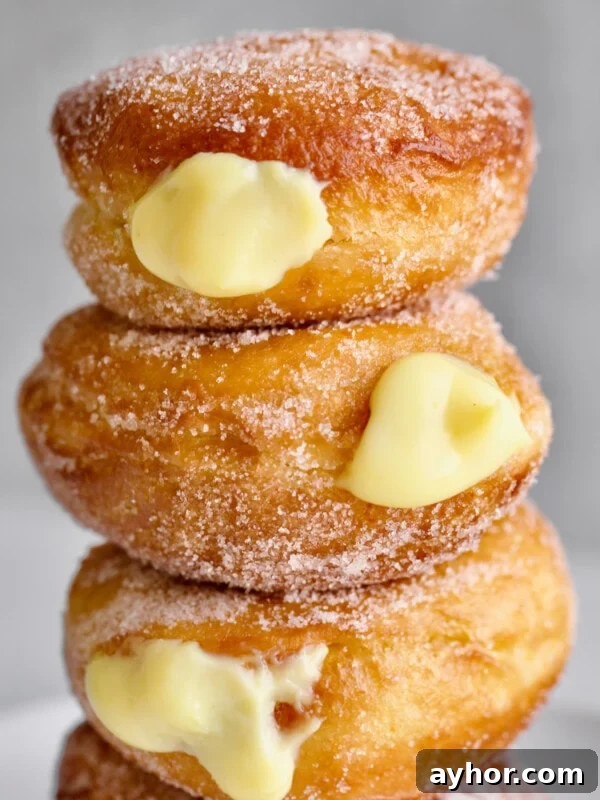
Bomboloni Recipe (Italian Donuts with Cream Filling)
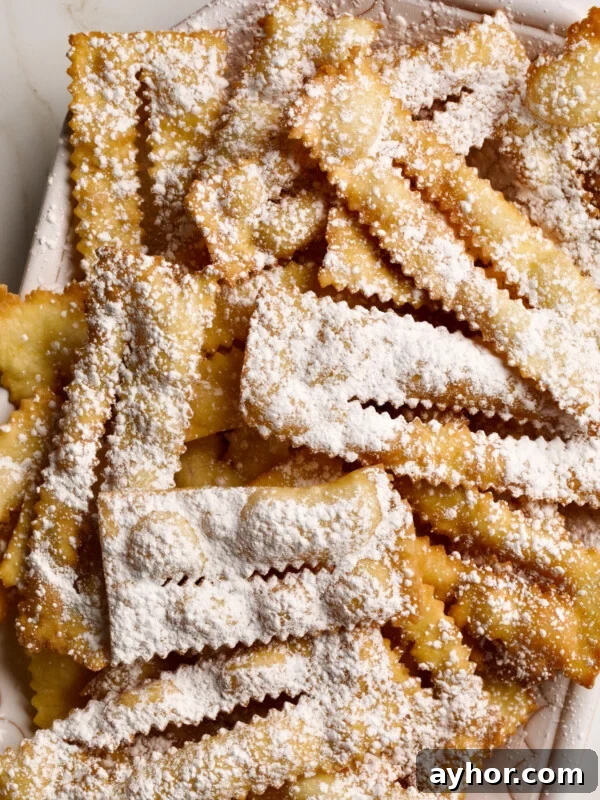
Chiacchiere di Carnevale Recipe (Italian Fried Pastries)
💙 MADE THIS RECIPE AND LOVED IT? 💙 Please leave a star rating and a comment below. Tag your photos on social media with the recipe name to share your results!
Traditional Italian Panettone
Equipment
- Panettone mold or tall straight-sided pan
- Stand mixer with dough hook (optional)
Ingredients
For the Starter Dough / Biga
- 3/4 cup unbleached all-purpose flour
- 1 pinch instant yeast
- 1/3 cup cool water
Mix-Ins
- 1/2 tablespoon lemon zest (from 1 lemon)
- 1 tablespoon orange zest (from 1 orange)
- 2 tablespoons honey
- 2 teaspoons vanilla extract
- 1/2 cup raisins
- 3 tablespoons water (to hydrate raisins)
For the Dough
- All of the starter dough
- 3 cups all-purpose flour, divided
- 1/2 cup lukewarm water
- 1 tablespoon instant yeast
- 1/3 cup granulated sugar
- 1 1/4 teaspoon salt
- 5 egg yolks, room temperature
- 8 tablespoons butter, softened
- 1/2 cup candied orange peel, finely chopped
For the Topping
- 1 beaten egg (for egg wash)
- 1 pat butter (for the top)
- Pearl sugar (optional)
Instructions
The Night Before Baking
- Starter Dough / Biga: Combine starter ingredients until shaggy. Cover and let rest 8–12 hours in a warm place. (You can substitute 190 g active sourdough starter if available.)
- Mix-Ins: Combine honey, vanilla, candied orange and zest. Hydrate raisins in water and refrigerate overnight.
On Baking Day
- Dough Part 1 & First Rise: In a mixer, combine the biga, half the flour, water and yeast. Knead about 5 minutes, cover and let rise 1 hour until puffy.
- Dough Part 2: Add remaining flour and let rest 10 minutes; dough will be shaggy.
- Beat egg yolks with salt and sugar until creamy, add the honey/citrus mix.
- Slowly add this egg mixture to the dough and knead until sticky and uniform, about 5–10 minutes total.
- Add butter a little at a time until incorporated, then fold in drained raisins and candied peel. Shape into a ball and place in a greased bowl.
- Second Rise: Cover and let rise 1–2 hours until doubled. Gently deflate.
- Fold & Shape: Perform a series of stretch-and-folds to build strength, with rests between sets. Shape into a tight round and place in a well-buttered tall mold.
- Final Proof: Let rise until the dough extends just above the rim (about 1½–2 hours).
- Topping: Brush with egg wash, score a cross on top and add a small pat of butter in the center; sprinkle pearl sugar if desired.
- Bake: Bake at 375°F for 10 minutes, then reduce to 350°F and bake 30–40 minutes more, tenting with foil if necessary. Interior temperature should reach 190°F.
- Cool & Rest: Pierce sides with skewers and suspend upside down between jars until cooled, or cool on a rack.
- Serve: Slice into wedges and enjoy. Store wrapped at room temperature up to one week or freeze for longer storage.
Notes
- This recipe yields two small panettone or one large one, depending on mold size.
- Use room-temperature ingredients and a kitchen scale for the best results.
- Hydrate raisins so they remain moist in the finished loaf.
- Ensure yeast is fresh and allow adequate proofing time at each stage.
Nutrition
Nutrition information is an estimate.
Additional Info
Share your results and tag the recipe on social media.