

The word “stress” usually brings negative connotations, and we often hear advice to eliminate it for better health. Yet not all stress is harmful. Hormesis describes a beneficial form of stress — small, controlled challenges that trigger the body’s adaptive responses. These “hormetic stressors” prompt positive changes when applied appropriately, helping build resilience and improve overall function.
Below we explore common hormetic stressors, how they work, and how to balance exposure so you get the benefits without overdoing it. The focus is on practical physical applications that can make you stronger, healthier, and possibly extend healthy lifespan.
What is Hormesis?
Originally a concept in toxicology and pharmacology, hormesis refers to situations where a substance or condition that is harmful at high levels produces beneficial effects at low doses. In daily life, hormetic stressors act like a deliberate, short-term challenge that stimulates repair and adaptation mechanisms — effectively the “spice” that enhances health when used sensibly.
The Hormetic Effect: Strengthening Resilience
Hormetic stressors produce mild strain or discomfort that forces adaptation. Repeated, controlled exposure strengthens the body’s and mind’s capacity to cope with future demands. While hormesis can apply to mental resilience, this article emphasizes physical effects: improved cellular defenses, enhanced repair systems, and greater functional capacity.
Hormetic Stressors to Make You Stronger:
Hormetic Stressor #1: Physical Exercise
Exercise is a classic hormetic stress. Challenging your body through resistance training, aerobic work, or high-intensity intervals creates microdamage and energy depletion that trigger adaptive responses. These include shifts in gene expression, activation of protective transcription factors, increased antioxidant production, enhanced DNA repair, and reduced inflammation during recovery. Over time, consistent exercise improves strength, endurance, neuromuscular coordination, and overall performance.
Regular workouts stimulate anti-inflammatory pathways and cellular protection, helping the central nervous system and musculoskeletal system handle future stressors more efficiently. Progression and adequate recovery are key: gradual increases in intensity and proper rest allow beneficial adaptation rather than injury or chronic fatigue.
Hormetic Stressor #2: Intermittent Fasting
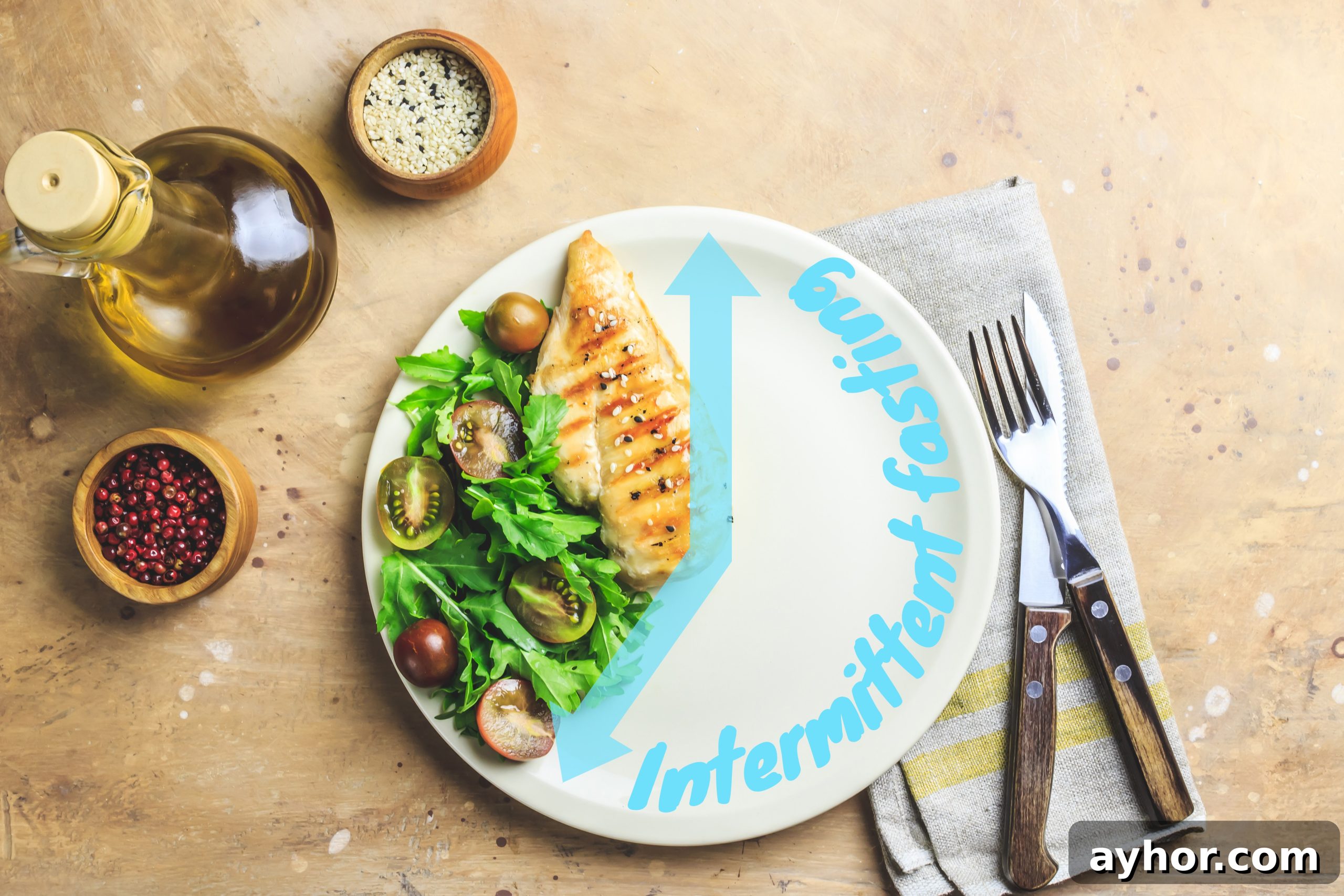
Short periods of fasting or reduced calorie intake stimulate metabolic adaptations that benefit health. Intermittent fasting promotes improved insulin sensitivity, hormonal balance, and activation of cellular cleanup processes known as autophagy, which remove damaged components and support cellular renewal. These responses can lower chronic inflammation, improve blood lipids and blood pressure, and offer neuroprotective effects.
Applied sensibly — with attention to individual needs and medical conditions — intermittent fasting can be a practical hormetic strategy to support metabolic health and longevity. As with any stressor, start gradually and ensure adequate nutrition during eating windows.
Hormetic Stressor #3: Sunlight
Moderate sun exposure triggers vitamin D synthesis and other skin responses that can be protective. A controlled amount of sunlight can improve mood, support bone health, modulate immune function, regulate circadian rhythms and sleep, and even induce protective skin adaptations. These are hormetic effects: the skin responds to a manageable stressor by strengthening defense mechanisms.
Because excessive or unprotected sun exposure increases the risk of burns and long-term skin damage, balance is essential. Aim for sensible sun time during non-peak hours, protect vulnerable skin when needed, and tailor exposure to your skin type and local conditions. For individualized guidance, consult a healthcare professional.
Hormetic Stressor #4: Hot and Cold Therapies

Thermal stress from heat and cold activates protective proteins and pathways that reduce inflammation, limit cellular damage, and boost antioxidant defenses. Regular exposure to saunas, hot baths, cold showers, or ice baths can improve circulation, enhance immune function, and support recovery. Some studies also suggest benefits for mood, focus, and endurance.
Progressive exposure and caution are important: start with short sessions and increase duration or intensity gradually to avoid adverse reactions. People with certain medical conditions should consult a clinician before beginning extreme temperature therapies.
Final Thoughts on Hormesis and “Hormetic Stress”
Chronic, unmanaged stress accelerates aging and disease processes, while hormetic stressors — applied in controlled, progressive ways — activate protective mechanisms that can slow biological aging and foster resilience. These stressors act as catalysts for physical improvement and enhanced adaptation when introduced thoughtfully, with proper recovery and individualized adjustments.
Embrace hormetic stressors as tools to convert manageable discomfort into tangible gains: improved fitness, metabolic health, cellular repair, and mental clarity. Start gradually, respect limits, and monitor how your body responds so the stress remains beneficial rather than harmful.