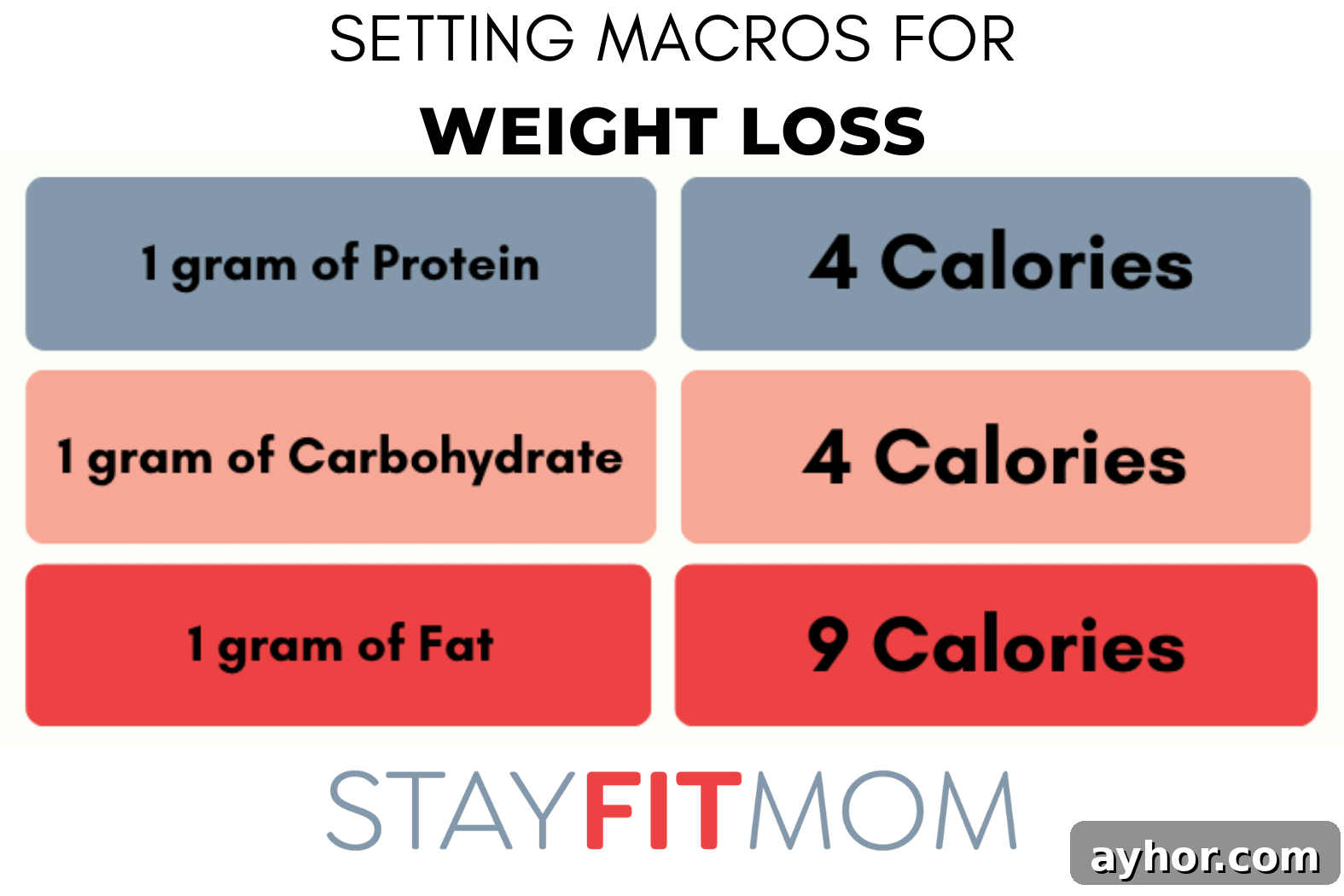
If you want a straightforward formula for calculating your macros, this guide will help. Body recomposition—preserving or building muscle while losing fat—is challenging, but effective macro-based nutrition plans make it possible. The most important step is tracking your food intake.
Before you begin, remember that macro targets are individual. Factors like medications that affect appetite, such as GLP-1 receptor agonists, can change how you respond to general recommendations. If you are using such medications, consider working one-on-one with a coach because standard guidelines may be harder to follow when hunger signals are suppressed. Personalized coaching can help you safely and effectively adjust calories and macros as needed.
People vary widely: some women struggle to gain weight even while eating 3,000+ calories a day, while others have trouble losing weight on 1,500 calories daily. The guidelines here are general; the best results come from targets tailored to your body, activity level, and goals. Working directly with a coach allows for weekly adjustments based on progress and feedback.
Step 1: Calculate your overall calories
Start by selecting your activity level (lightly active, moderately active, or very active) and multiply your body weight by the corresponding calorie-per-pound multiplier. If you are taking a GLP-1 receptor agonist, consider beginning with a lower multiplier (for example, 10–12 kcal per pound) and increase calories gradually as your body allows. If you have a significant amount of weight to lose (30+ pounds), calculate calories based on your goal body weight.
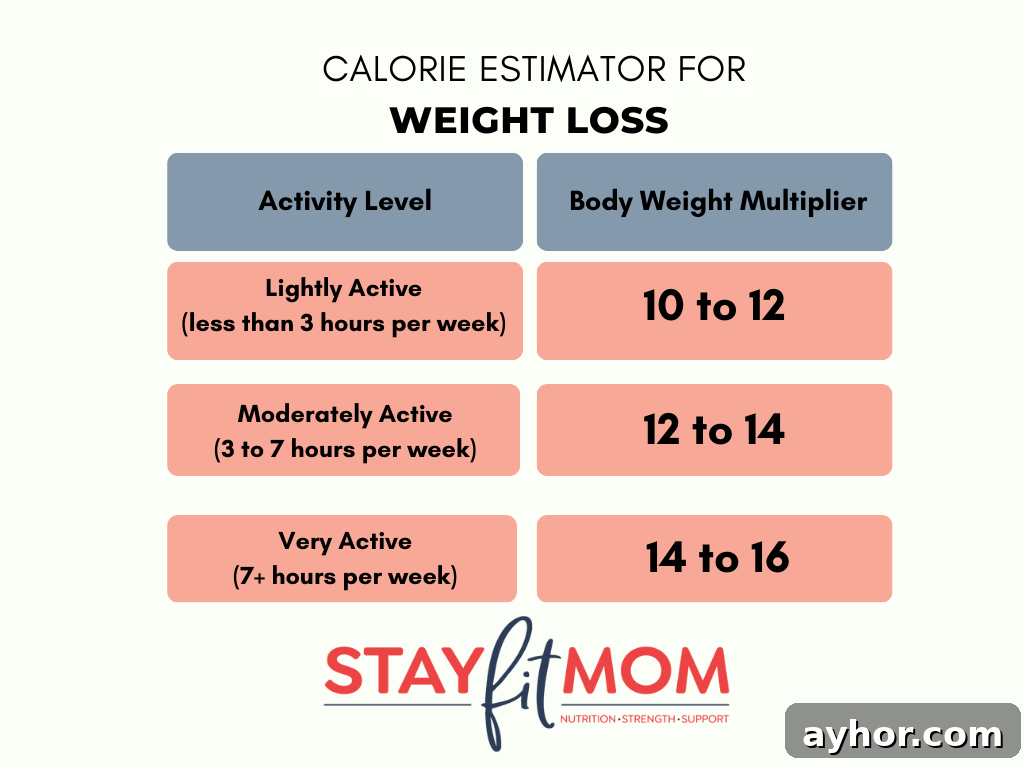
For example, a 150-pound person who is moderately active would choose a multiplier that yields between about 1,800 and 2,100 calories per day depending on where they fall within that activity range.
Step 2: Calculate your protein
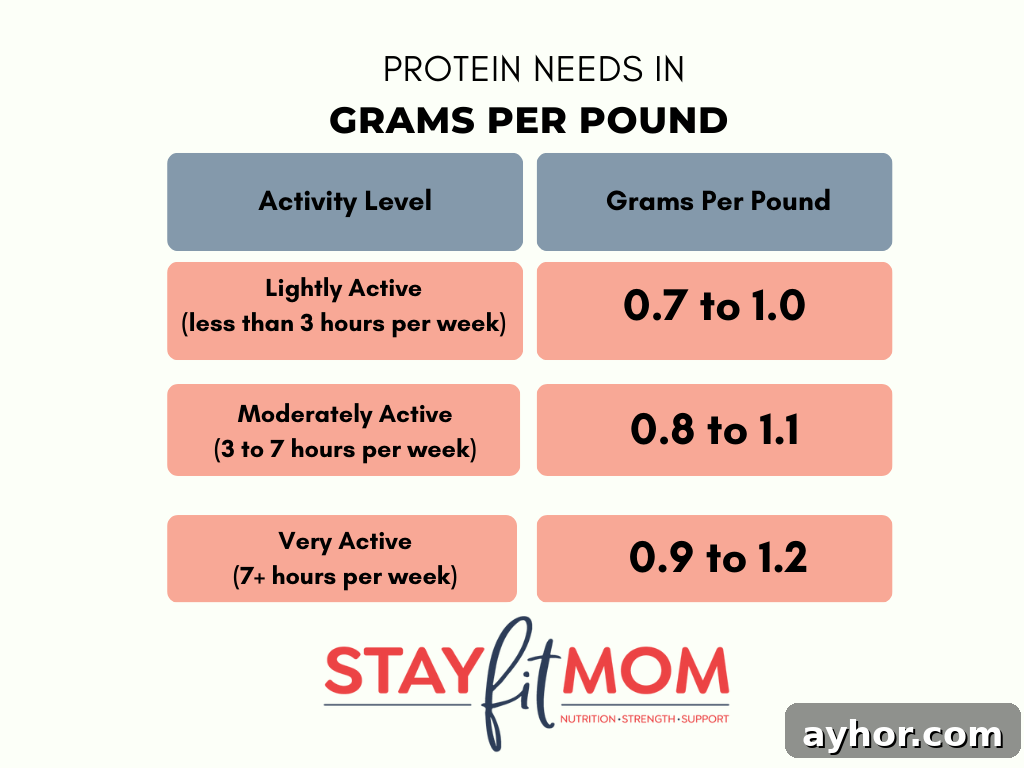
Determine your protein target using grams per pound of body weight according to your activity level. If you’re new to tracking macros, start on the lower end of the range and increase as needed. For example, a 150-pound person who is moderately active and new to macro tracking might start at 0.8 grams per pound, which equals 120 grams of protein per day. If your primary goal is muscle building, aim for the higher end of the protein range.
Step 3: Calculate your fat intake
A reasonable fat intake typically falls between 25% and 37% of your total daily calories, depending on your activity level and personal preferences. Keep in mind that lowering fat raises carbs, and increasing fat lowers carbs. Use this range to choose a percentage that fits your lifestyle and satiety needs.
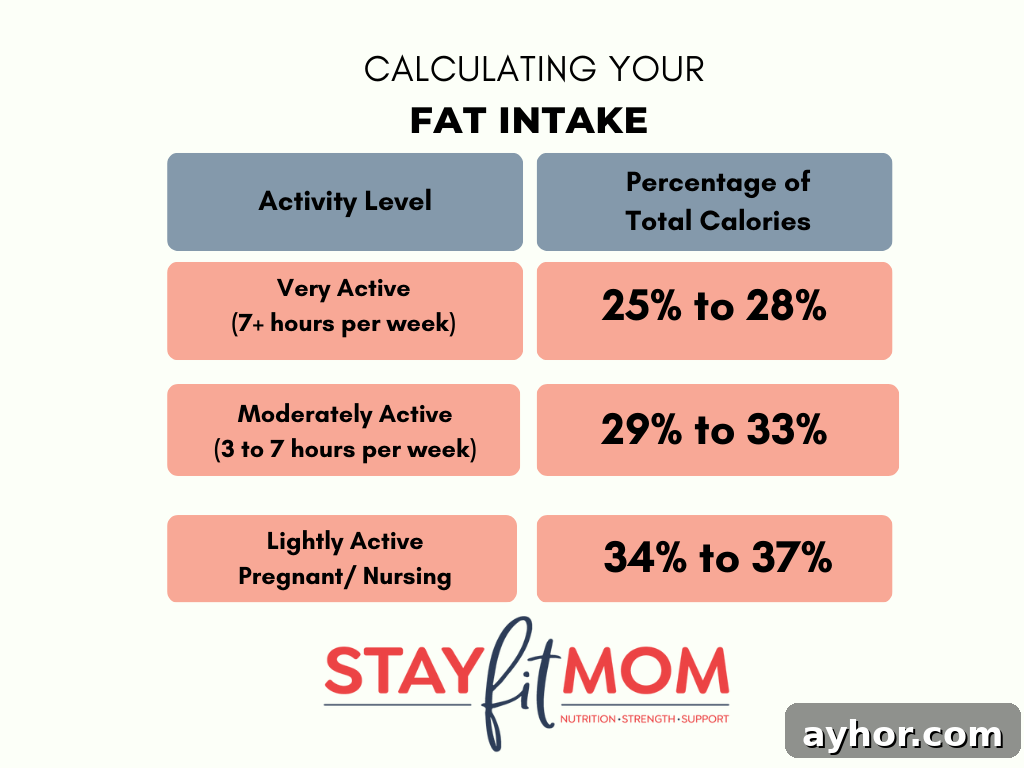
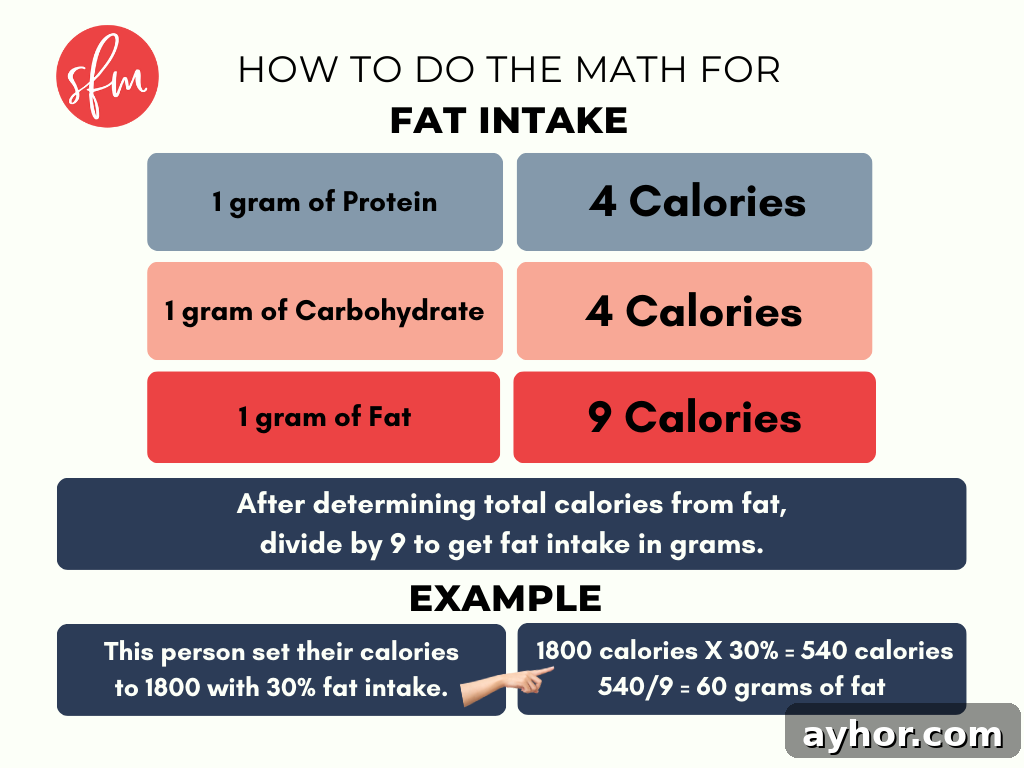
To convert fat percentage into grams: multiply total calories by your chosen fat percentage to get fat calories, then divide by 9 (since 1 gram of fat = 9 calories). For example, on 1,800 calories per day with 30% from fat: 1,800 × 0.30 = 540 fat calories. 540 ÷ 9 = 60 grams of fat per day.
Final Step: Calculate your carbs
Your carbohydrate intake is whatever remains after accounting for calories from protein and fat. Calculate carbs by subtracting calories from protein and fat from your total daily calories, then divide the remainder by 4 (since 1 gram of carbohydrate = 4 calories).
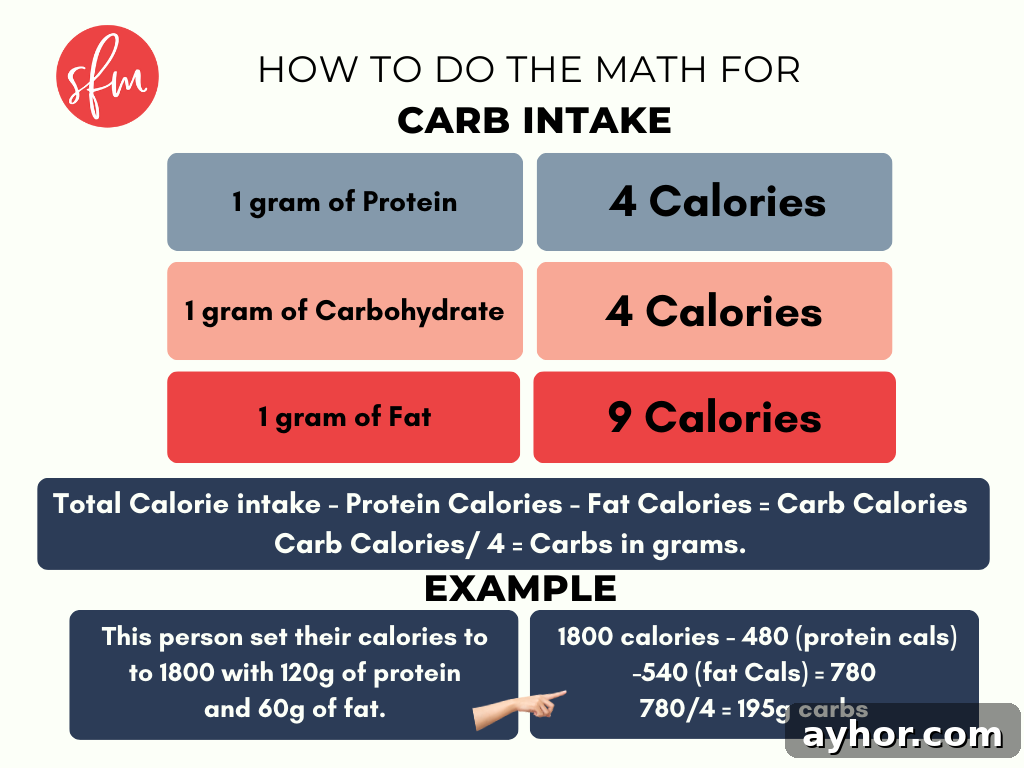
Example: On 1,800 total calories, if protein provides 480 calories and fat provides 540 calories, then 1,800 − 480 − 540 = 780 calories left for carbs. 780 ÷ 4 = 195 grams of carbohydrates per day.

Once your macros are set, continue learning about flexible macro tracking, adjusting based on progress, and matching macros to your training and lifestyle. Personalized coaching can speed progress and improve sustainability, especially if you need frequent adjustments.