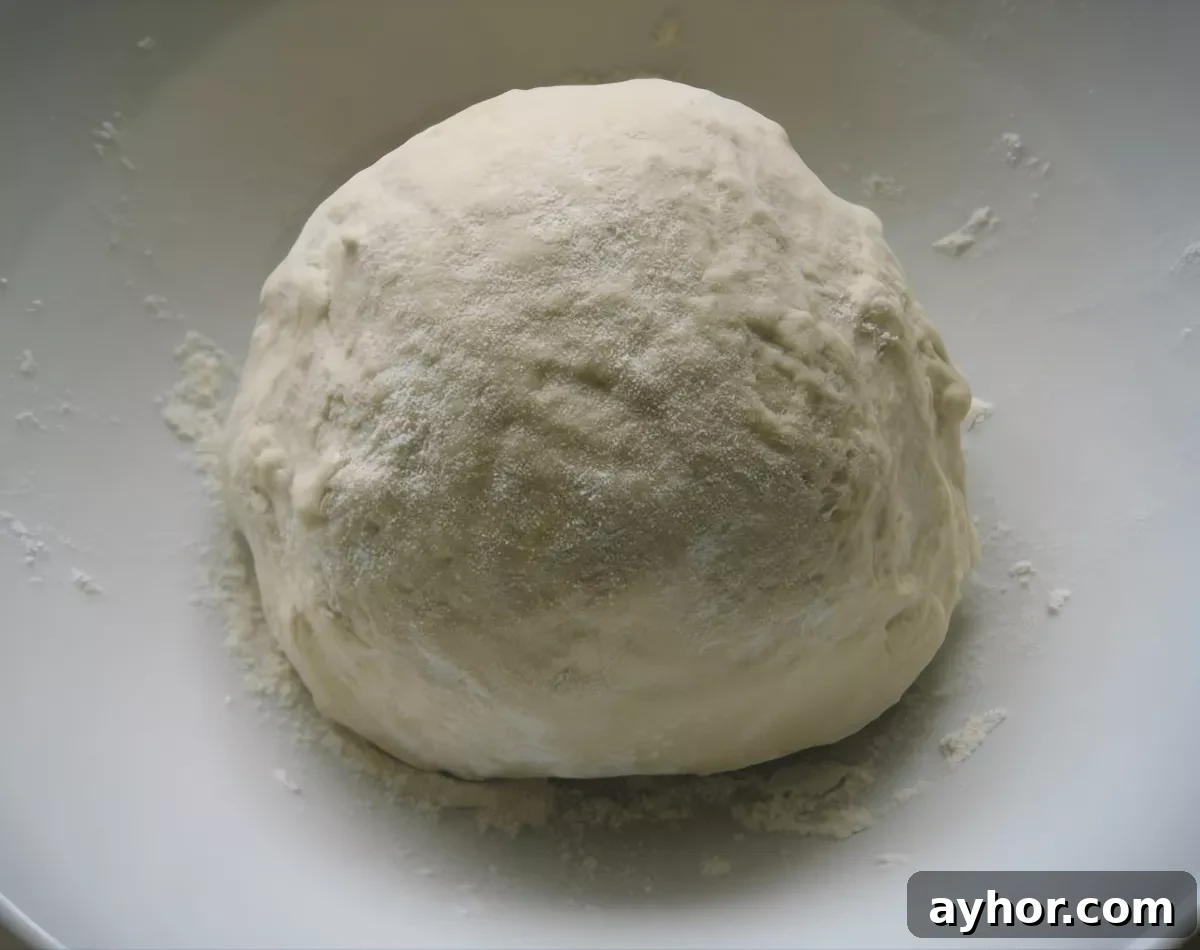
Pizza night just got better! Homemade Pizza Dough makes it simple to bake crisp, chewy, golden crusts using pantry staples. No need for takeout when you can make a delicious pizza at home.
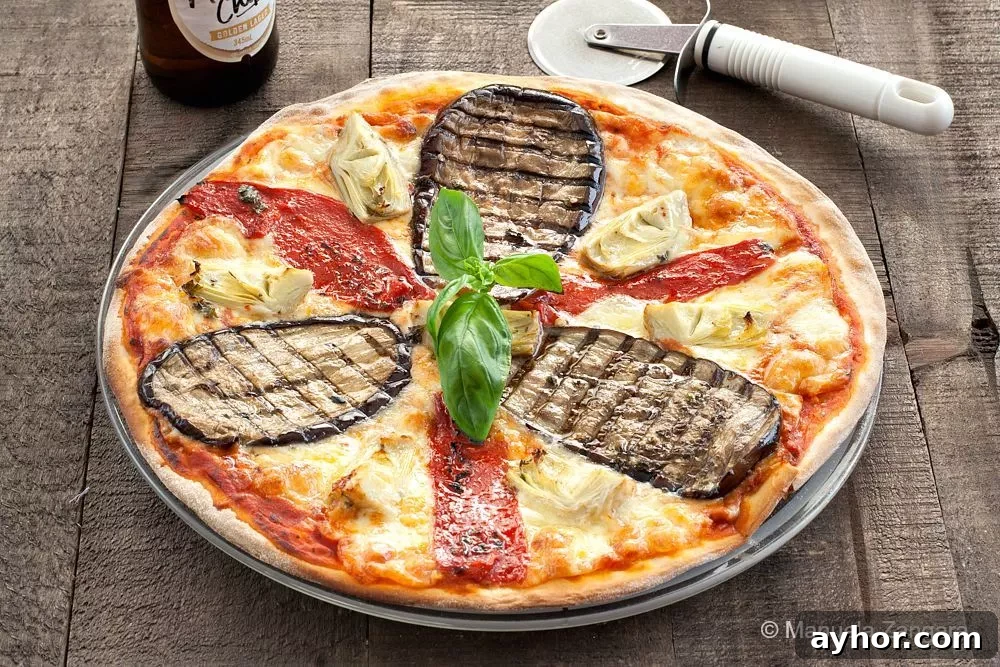
I’ll never forget the first time I ate pizza outside Italy. The topping combinations on the menu were surprising — some even felt a little odd to me. Still, food is personal, and everyone can enjoy pizza however they like. That said, when you make pizza at home with your own homemade dough, it helps to understand a few basics about what makes an authentic Italian-style pizza.
The Secret to a Perfect Italian Pizza with Homemade Dough
For an Italian-style pizza, the sauce is simply tomato-based. A pinch of salt, a drizzle of extra virgin olive oil, and perhaps a little oregano are all you need. Heavy or sweet sauces like ketchup or barbecue move the pizza away from classic Italian flavour.
Cheese follows the same principle of simplicity. Mozzarella is the classic choice; good mozzarella is soft, creamy, and melts evenly without turning oily or rubbery. Bocconcini or mozzarella fior di latte are excellent choices compared with pre-shredded supermarket cheeses.
Toppings should be used sparingly so they complement the base rather than overpower it. When you bake with homemade pizza dough, you’ll notice how a lighter touch brings out better texture and balance.
What Makes Homemade Pizza Dough Worth Making
- Thin, crisp base with a tender crumb and slight char — a true pizzeria feel at home.
- Leftover slices reheat well; a quick reheat restores crispness and aroma.
- One batch is versatile: round pizzas, tray bakes, or mini pizzettes — great for weeknights or gatherings.
Key Ingredients for Basic Pizza Dough
Flour
Provides structure and elasticity. All-purpose flour works well; Tipo 00 produces a softer, easier-to-stretch dough.
Yeast
Creates rise and a light texture. Activated in lukewarm water with a bit of sugar, yeast forms air pockets that keep the dough tender.
Olive Oil
Adds flavour and moisture and helps the dough remain supple while kneading; it also promotes a light golden crust.
Sugar
Feeds the yeast for an even rise and helps with browning without making the dough noticeably sweet.
See the recipe card below for exact measurements.
How to Make Homemade Pizza Dough
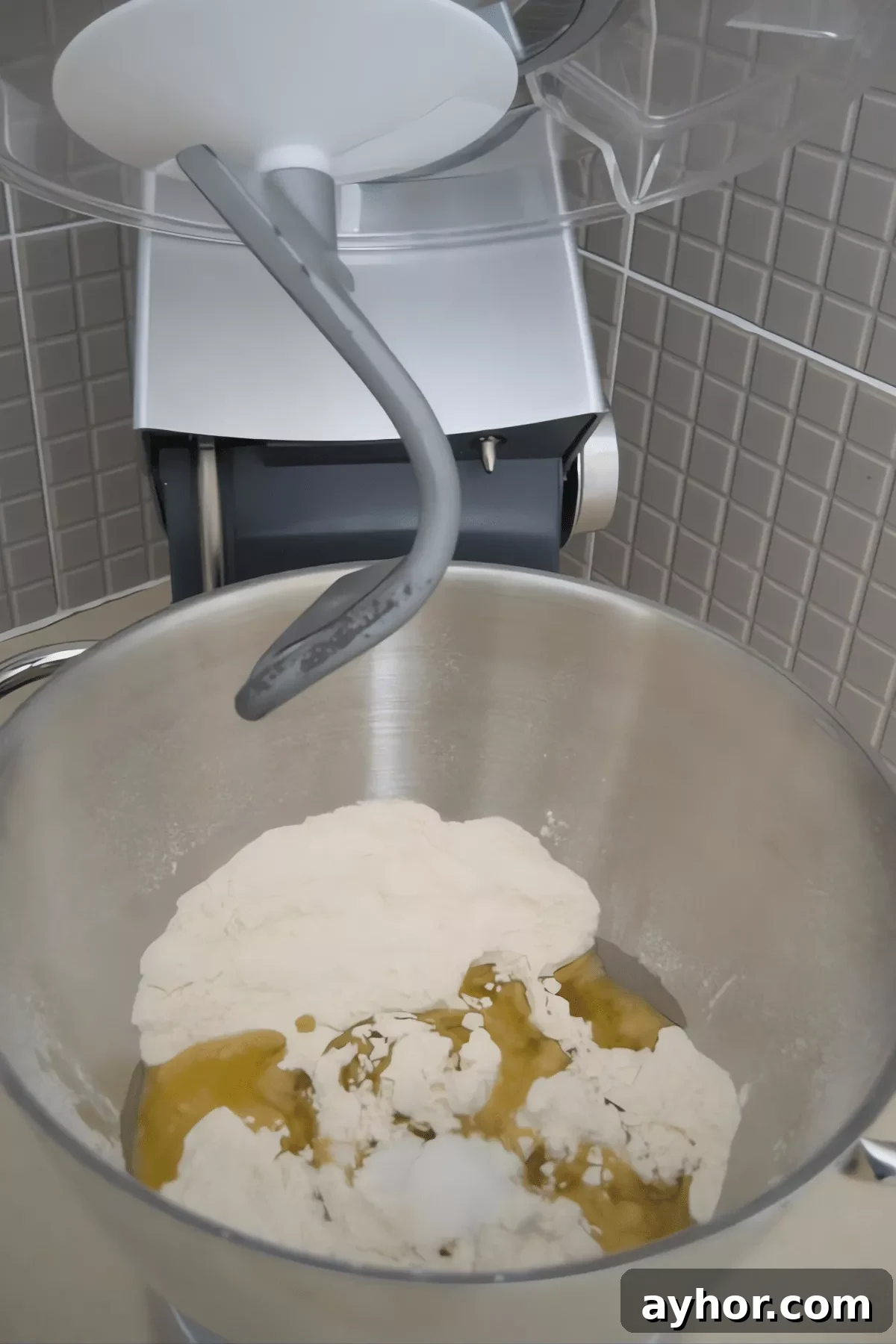
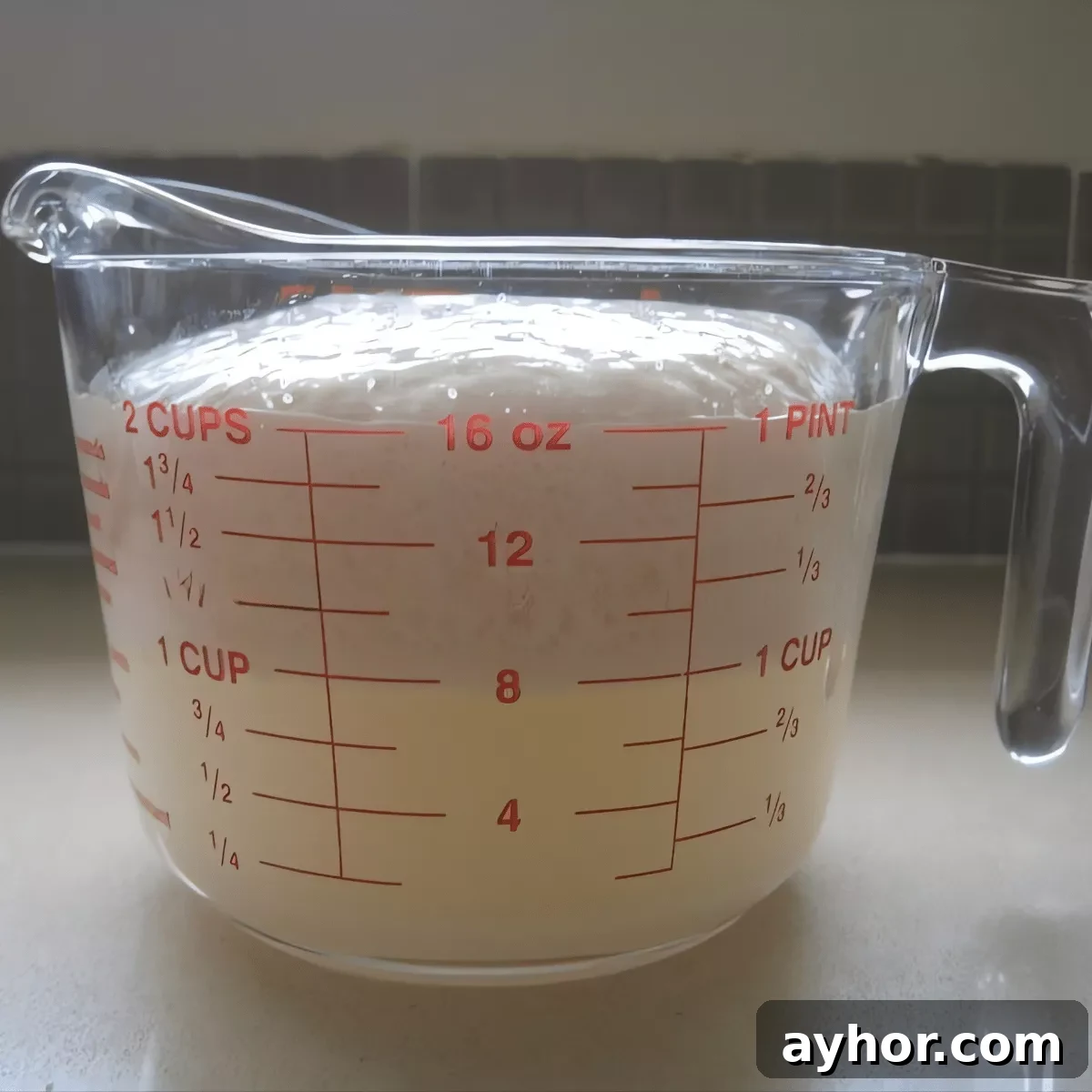
Step 1: Dissolve the yeast and sugar in 450 ml (15 oz) of lukewarm water and set it aside in a container at least twice the size of the liquid to allow the yeast to activate. Meanwhile, combine the flour, salt, and extra virgin olive oil in a mixer fitted with a dough hook.
Step 2: When the yeast mixture is frothy, pour it into the mixer and mix until combined.
Step 3: Knead the dough until smooth, soft, and elastic. Using a mixer takes a few minutes; by hand allow 5–10 minutes of kneading until the dough springs back slightly.
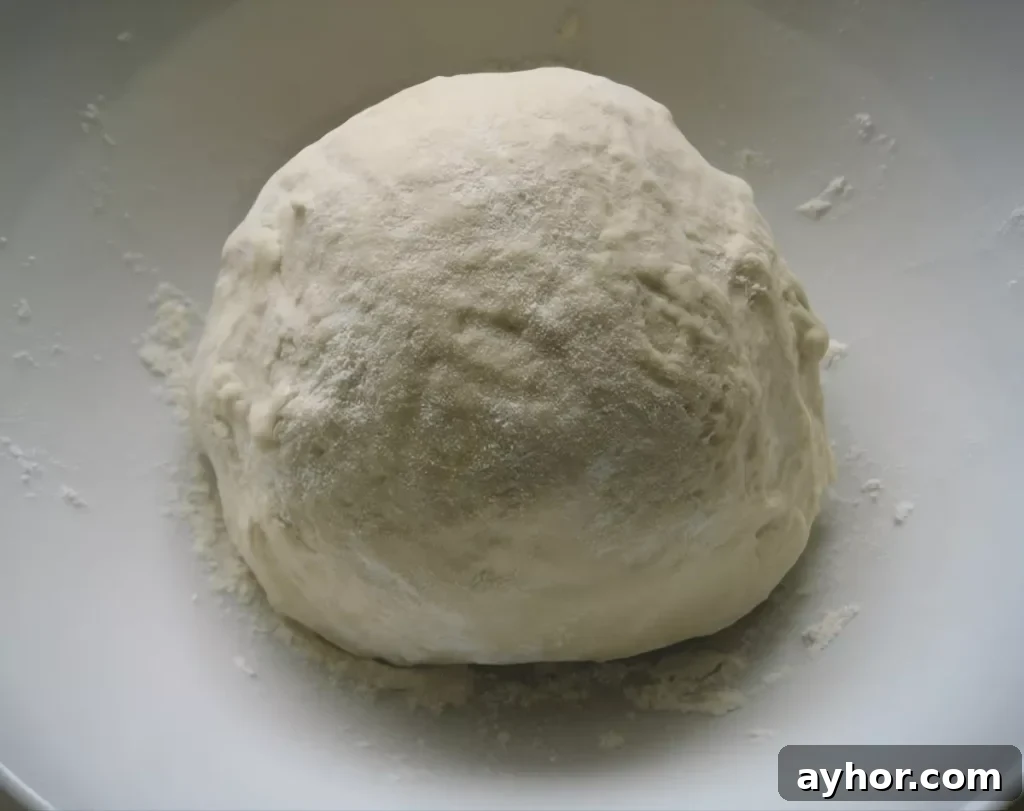
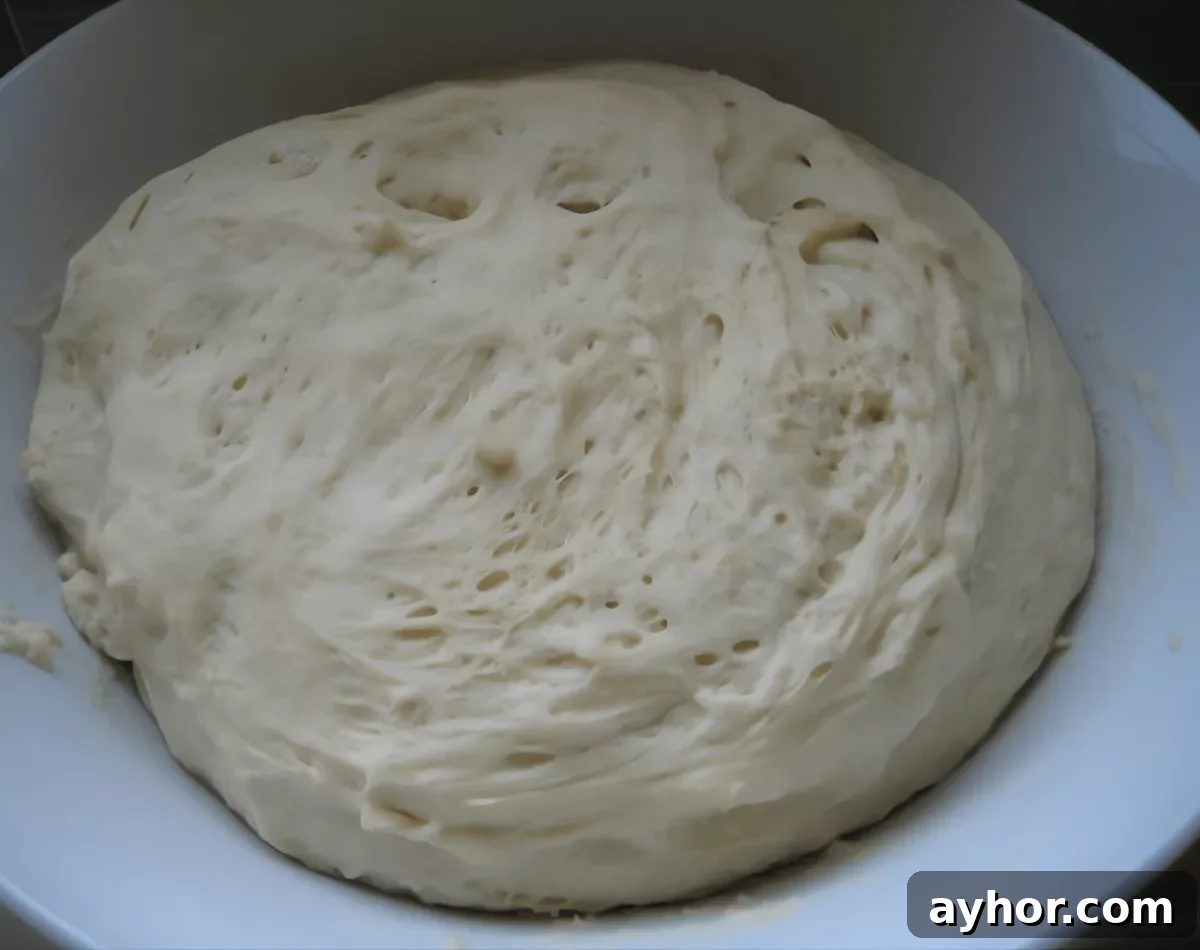
Step 4: Shape the dough into a ball, dust it lightly with flour, and place it in a large bowl. Cover with a dry cloth and let it rise for at least 2 hours, or until doubled in volume.
Frequently Asked Questions
Yes. After the first rise, cover the bowl tightly and refrigerate for up to 24 hours. Bring the dough to room temperature for 30–45 minutes before shaping.
Yes. Portion after the first rise, wrap well, and freeze for up to 3 months. Thaw overnight in the fridge and let it rest at room temperature until pliable.
Common issues are inactive yeast or incorrect water temperature. Use fresh yeast, lukewarm water, and let the dough rest in a warm, draft-free spot until it doubles.
No. Hand-kneading on a lightly floured surface for 8–10 minutes yields the same result. Aim for a smooth, elastic dough that springs back slightly.
Extra Help from the Kitchen
Use the Right Bowl – Choose a large glass or ceramic bowl for rising. Metal bowls can conduct heat or cold unevenly, which affects fermentation.
Cover the Dough Correctly – Use a dry tea towel or lightly oiled cling film to prevent the surface from drying out as it rises.
Control the Room Temperature – Dough rises best in a warm, draft-free area. If your kitchen is cool, place the bowl in the oven with the light on or near a warm appliance.
Add Flour Gradually – Humidity affects how much flour you need. Add small amounts until the dough reaches a soft, elastic texture without becoming dry or sticky.
Rest Before Shaping – After the first rise, rest the dough for 10 minutes before rolling or stretching to let the gluten relax for easier shaping.
Check for Readiness – Press the dough gently with your fingertip. If it springs back slowly, it’s ready; if it springs back immediately, it may need more rest.
Variations and Twists
Herbed Dough – Add 1 tablespoon dried oregano, rosemary, or thyme to the flour for a subtle aromatic note that pairs well with tomato and mozzarella.
Whole Wheat Dough – Replace half the flour with whole wheat for a slightly denser, more flavorful crust that holds up well to vegetable toppings.
Garlic-Infused Dough – Mix in one minced garlic clove or a pinch of garlic powder while kneading for a gentle savory aroma.
Overnight Dough – Refrigerate the dough overnight after mixing. Slow fermentation improves flavour and gives a lighter, airier crust.
Creative Ways to Use Homemade Pizza Dough
Authentic Italian Pizza Toppings
Margherita – Tomato sauce, Italian mozzarella, and basil for a classic, balanced pizza.
Marinara – Tomato sauce with garlic, oregano, and extra virgin olive oil; a simple, historic favourite.
Capricciosa – Tomato, mozzarella, ham, olives, mushrooms, and artichokes; chefs often add a seasonal topping.
Quattro Stagioni – Four sections with toppings representing the seasons: ham, olives, mushrooms, and artichokes.
Prosciutto Crudo – Add prosciutto after baking to preserve its delicate texture and flavour.
Diavola – Tomato, mozzarella, and hot salami for a mildly spicy option.
Quattro Formaggi – A blend of mozzarella, Grana Padano, gorgonzola, and a fourth cheese like ricotta or taleggio for depth and creaminess.
Salsiccia – Tomato, mozzarella, and Italian sausage; uncured sausage bakes directly on the dough for authentic flavour.
Non-Traditional Toppings
Hawaiian – Ham and pineapple for a sweet-and-savory contrast (popular outside Italy).
Supreme – Pepperoni, bacon, peppers, beef, sausage, mushrooms, and pineapple — a loaded style common in many countries.
Gourmet Pizzas – Ingredients like figs, truffle oil, or chicken offer modern, creative spins that differ from classic Italian recipes.
Storage and Shelf Life
Store uncooked dough in a lightly oiled, airtight container in the refrigerator for up to 3 days. For longer storage, freeze well-wrapped portions for up to 3 months; thaw overnight in the fridge and bring to room temperature before using.
Keep baked pizza in an airtight container in the refrigerator for up to 2 days. Reheat on a preheated tray or stone at 180°C (350°F) until the base is crisp again for best texture.
Delicious Dishes You Can Make with Homemade Dough
- Tuna and Onion Pizza
- Pizza Ortolana
- Pizzette
- Prosciutto, Rocket, and Grana Cheese Pizza
- Mushroom and Asiago Calzoni
Homemade Pizza Dough Recipe
Pizza night just got better! Homemade Pizza Dough makes it easy to bake crisp, chewy, golden crusts with pantry staples. No need for takeout when you can make your own at home.
Ingredients
- 800 g – 3 ½ cups all-purpose flour
- 4 tbsp extra virgin olive oil
- 1 ½ tsp salt
- 450 ml – 15 oz water
- 1 sachet – 7 g dry yeast
- 1 tbsp sugar
Instructions
- Dissolve the yeast and sugar in 450 ml (15 oz) of lukewarm water and set aside in a container at least twice the size of the liquid to allow the yeast to activate. Meanwhile, combine the flour, salt, and extra virgin olive oil in a mixer with a dough hook.
- When the yeast mixture is frothy, pour it into the mixer and combine with the flour mixture.
- Knead the dough until smooth, soft, and elastic. If you don’t have a mixer, knead by hand for 5–10 minutes.
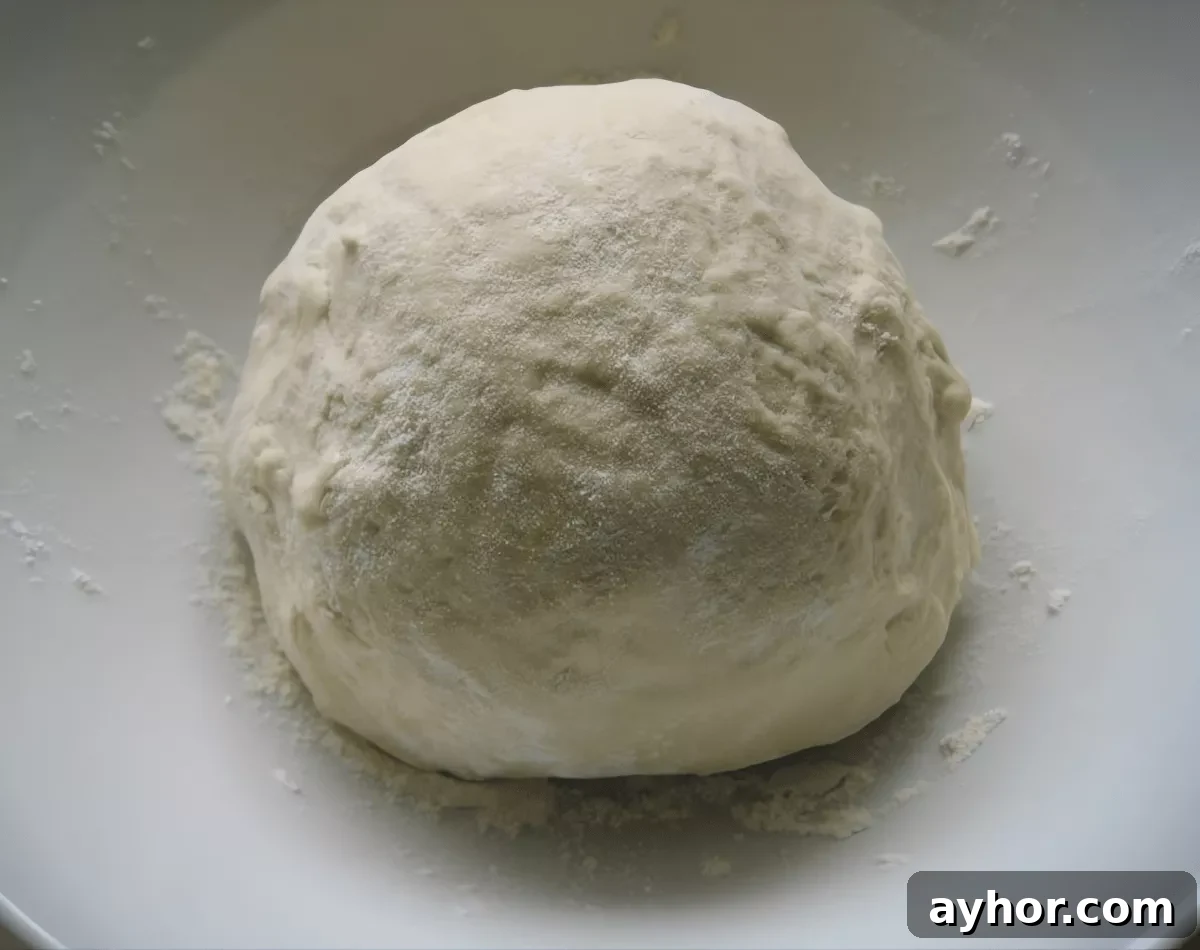
- Shape the dough into a ball, dust lightly with flour, place in a large bowl, cover with a dry cloth, and let rise for at least 2 hours or until doubled in volume.