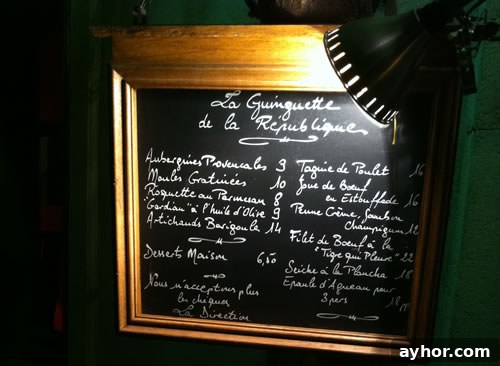

Matty and I just returned from a delightful week in France, celebrating our first anniversary and enjoying some much-needed rest and relaxation. I kept blogging to a minimum while we were away and largely avoided social media — partly because I was on vacation, and partly because it felt awkward to constantly pull out a camera and photograph every meal, a habit that seems commonplace back home.
We began our trip in Paris with our friend Piper, an exceptional photographer, host, and guide, then took the train to Montpellier. From there we rented a car and drove to the enchanting, 700-year-old walled city of Aigues-Mortes, a recommendation we appreciated and enjoyed exploring.
We sampled a wide range of French gastronomy, from refined restaurants to surprising street finds — including the best falafel I’ve ever had and the obligatory Nutella crêpes. The cuisine is rich and indulgent, yet people often appear fit and trim compared to the typical American — a phenomenon commonly called the French Paradox.
The term gained attention decades ago to describe how France has lower rates of heart disease despite a diet high in saturated fats. Full-fat cheeses and butter are everywhere — the butter is unforgettable — and statistics often cited show the French consume more butter and cheese and quite a bit of pork relative to Americans.
There are many theories for the French Paradox. Some attribute it to wine, others to structured meals without frequent snacking. I’m skeptical that wine alone explains it, and I’ve shared my views elsewhere about eating smaller amounts more mindfully. From my week in France, several practical factors stood out that likely contribute to healthier outcomes.
People walk — a lot.
Paris has a robust public transit system and pedestrian-friendly streets, which encourages walking as the primary mode of getting around. The city’s old, uneven pavement demands more attention and agility while walking, which adds incidental activity. Even in snowy conditions, streets are full of people moving purposefully. High fuel costs and relatively expensive taxis also discourage driving for short trips, nudging residents and visitors to walk more.
Meals are slower and portions are smaller.
Restaurants are not open around the clock, and eating times tend to be structured. During our trip, jet lag often had us wanting to eat at odd hours, and many establishments simply weren’t serving. When we did sit down for a meal, courses arrived at a relaxed pace and portions were generally modest. Longer, multi-course meals encourage savoring food and give the body time to register fullness, helping avoid overeating.
Food is less processed.
Processed and ultra-processed foods exist in France, but fresh and whole foods are far more common than in many parts of the United States. Growing evidence links ultra-processed foods to weight gain and poor health, so a diet centered on less-processed ingredients likely contributes to better overall health markers.
Sugary drinks are uncommon and costly.
Large soft drinks are not a cultural norm. Soda is treated as an occasional indulgence and often sold in smaller sizes. Prices for sugary beverages are noticeably higher, making them less appealing as daily choices. Many bottled juices available are genuine fruit juices rather than sugar-heavy imitations, and servings tend to be smaller.
Weight matters more than saturated fat.
A major factor appears to be overall body weight. Research and experiments have shown that many health markers improve when people lose excess weight, regardless of specific macronutrient composition. This doesn’t mean any diet is harmless at any size, but maintaining a healthy weight clearly influences cardiovascular risk and other health outcomes.
Some unanswered questions
What about fiber?
The French diet surprised me in its relative lack of visible high-fiber choices. White bread, rich cheeses, and generous use of butter are common, and whole-grain breads seem less prevalent, at least in the places I visited. Salads—when offered—sometimes arrived as romaine with creamy dressing rather than a variety of roughage. Given fiber’s many benefits, this is an area where the French approach may not be universally advantageous.
What happens between late afternoon and dinner?
Many shops close for a long afternoon break, and dinner often starts later in the evening. I’m still curious about how people spend the interval between the early evening and late dinner — whether it’s rest, social time, or another routine. If you have insight on this cultural rhythm, I’d love to hear it.
In short
There’s much to learn from French food culture beyond any single nutritional explanation. Perhaps the most striking difference is the relationship the French have with food: it is treated as something to enjoy, respect, and savor rather than merely fuel to consume quickly while multitasking. Meals are social events — long lunches, multiple courses, conversation and coffee — and that slower pace reduces stress and encourages mindful eating.
Even simple items are prepared with care. At the Montpellier train station we bought sandwiches made to order at a small counter, a clear contrast to the pre-made, reheated offerings common at many other travel hubs. That attention to freshness and flavor is consistent throughout many parts of France.
The country’s work habits and cultural norms support this approach: businesses often close for long midday breaks, and there is less of a 24/7 mentality. The result is a lifestyle that leaves room to savor food, digest, and connect — small but powerful differences that likely contribute to the broader picture of health.
—
* Culinary highlight of the trip: Afaria. The food was creative, unpretentious, and extraordinary. If you’re in Paris, this friendly neighborhood restaurant is a memorable stop.