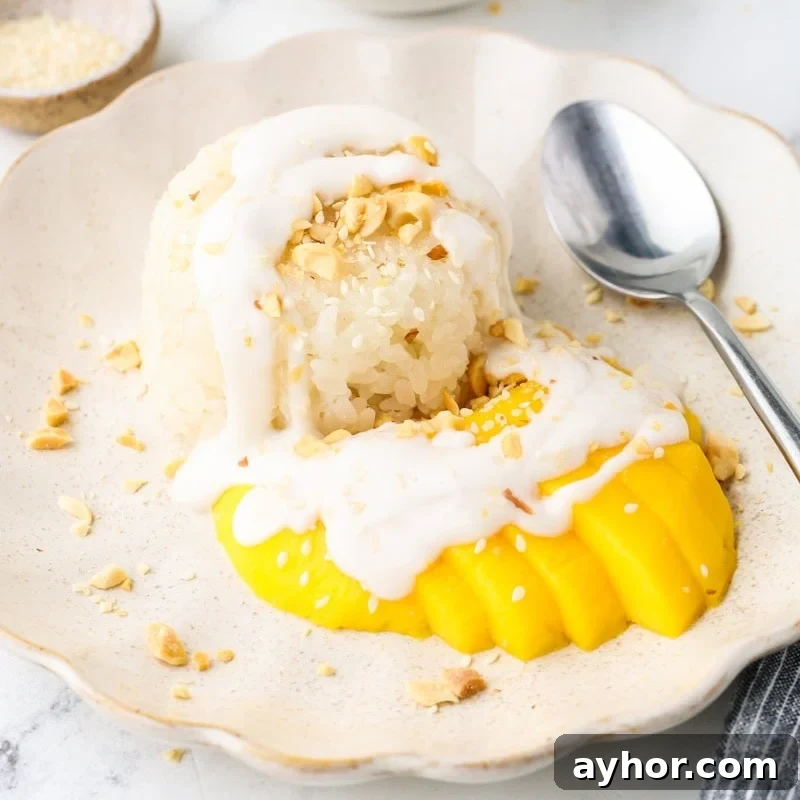
My Thai mango sticky rice uses full-fat coconut cream and palm sugar instead of lighter coconut milk and white sugar for a richer, caramelized version I learned in Koh Samui. The sticky rice soaks for at least four hours and then steams in a metal steamer basket for about 30–35 minutes. After cooking, a 20–25 minute rest with hot coconut sauce — the “bloom” — transforms the grains into a glossy, slightly chewy texture. Serve with ripe mango slices, a drizzle of reserved coconut cream sauce, and crushed peanuts or toasted mung beans. This vegan, gluten-free dessert serves 4.
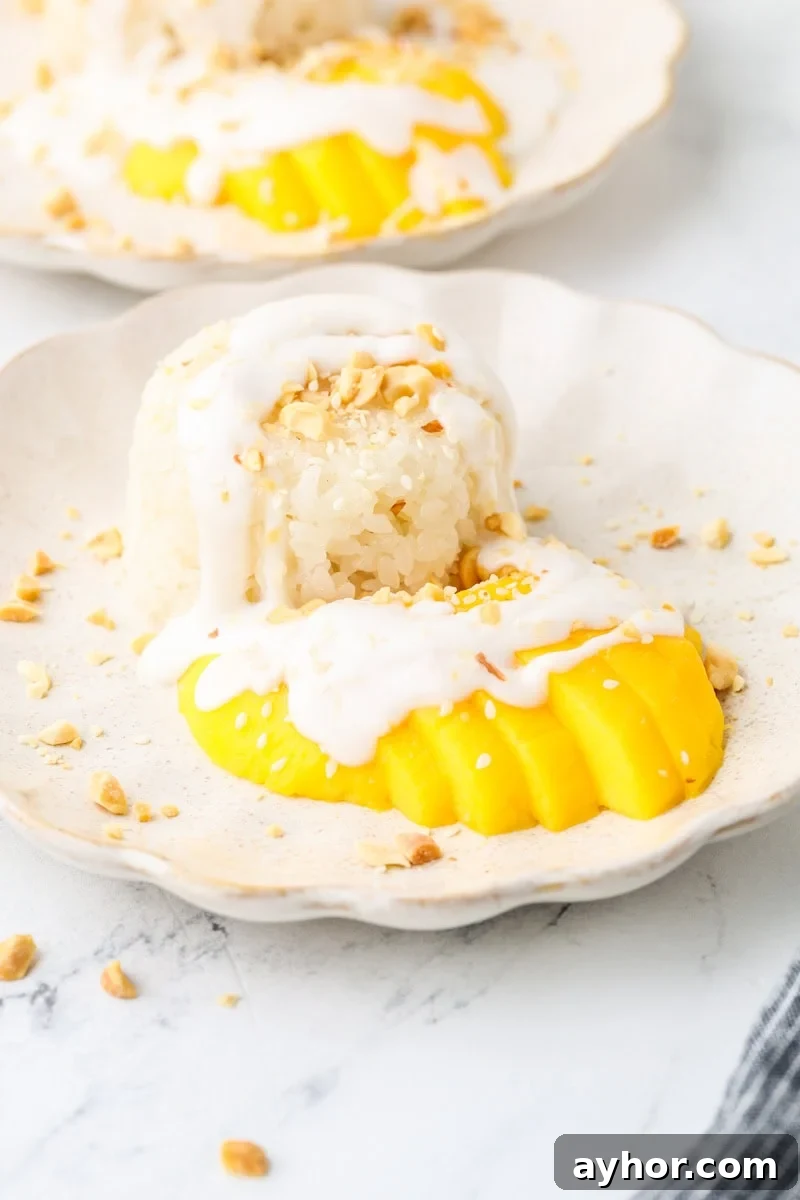
Why coconut cream, not coconut milk

Traditionalists often prefer coconut milk and white sugar to keep the rice bright and pale, and that approach is absolutely valid. The version I learned in Thailand uses full-fat coconut cream and palm sugar to add body and a gentle caramel note. The darker sugar gives the rice a soft amber tint and deeper flavor that I find irresistible.
The bloom is essential. Combine very hot rice and very hot sauce, fold just a couple times, cover, and leave undisturbed for 20–25 minutes. This lets the rice absorb the sauce evenly so each grain becomes glossy and slightly chewy. Stirring or rushing this step leaves you with sauce on top of rice instead of properly flavored sticky rice.

Key ingredients and why they matter
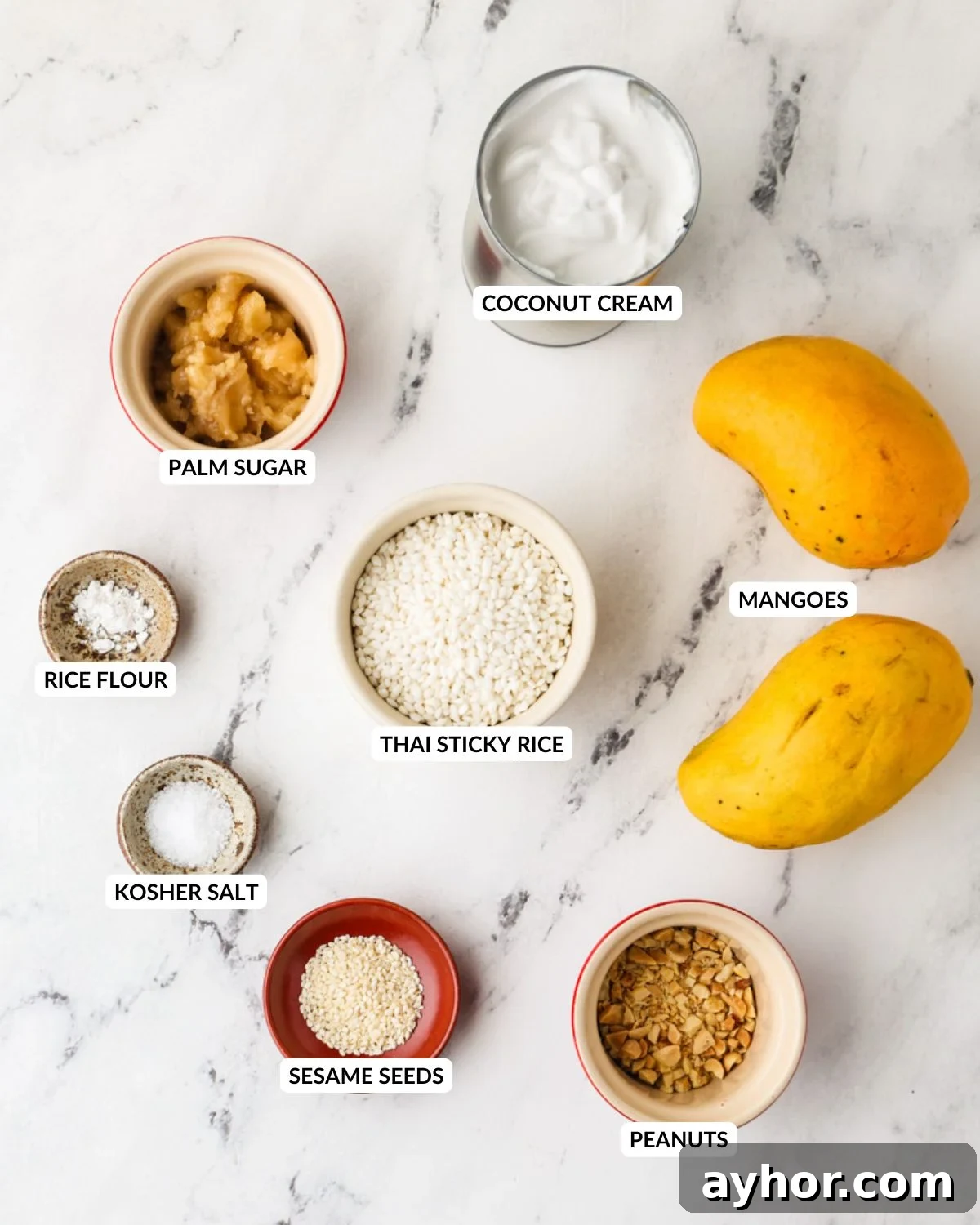
Full ingredient list and step-by-step instructions are in the recipe card below.
- Thai sticky rice (labeled sticky, sweet, or glutinous). Use rice from Thailand — jasmine, sushi, or regular long-grain rice won’t give the same texture.
- Canned full‑fat coconut cream. One 14‑oz can is enough; use about three-quarters for the bloom and reserve the rest for the drizzle. Do not substitute light coconut milk.
- Palm sugar or coconut sugar. These sugars add a warm caramel character. The tradeoff is a light amber color to the rice, which I consider part of the flavor profile.
- Ripe Ataulfo or Champagne mangoes. Small, fragrant, tender mangoes with minimal fiber are ideal. If your mangoes are firm, ripen them at room temperature for several days.
TIPS & TRICKS
Shruthi’s top tips
- Soak sufficiently. Four hours is the minimum; overnight is safer. There’s no harm in a long cold soak.
- Fold, don’t over-stir. After adding the sauce, fold gently 2–3 times, then cover. Excessive stirring makes the rice gummy.
- Don’t let the sauce boil hard. Coconut cream can split if it boils aggressively with sugar. Cook over medium heat and remove as soon as it thickens slightly.
- Use ripe mangoes. Bland mangoes produce a bland dessert. Plan ahead to let them ripen on the counter for 3–5 days if needed.
How to make Thai mango sticky rice
- Rinse the sticky rice under cool water until the rinse water is nearly clear. Cover with cool water and soak at room temperature for at least 4 hours or overnight.
- Drain the rice. Line a metal steamer basket with a double layer of cheesecloth, spread the rice in an even layer (no more than 2 inches deep), and fold the cloth over the top.
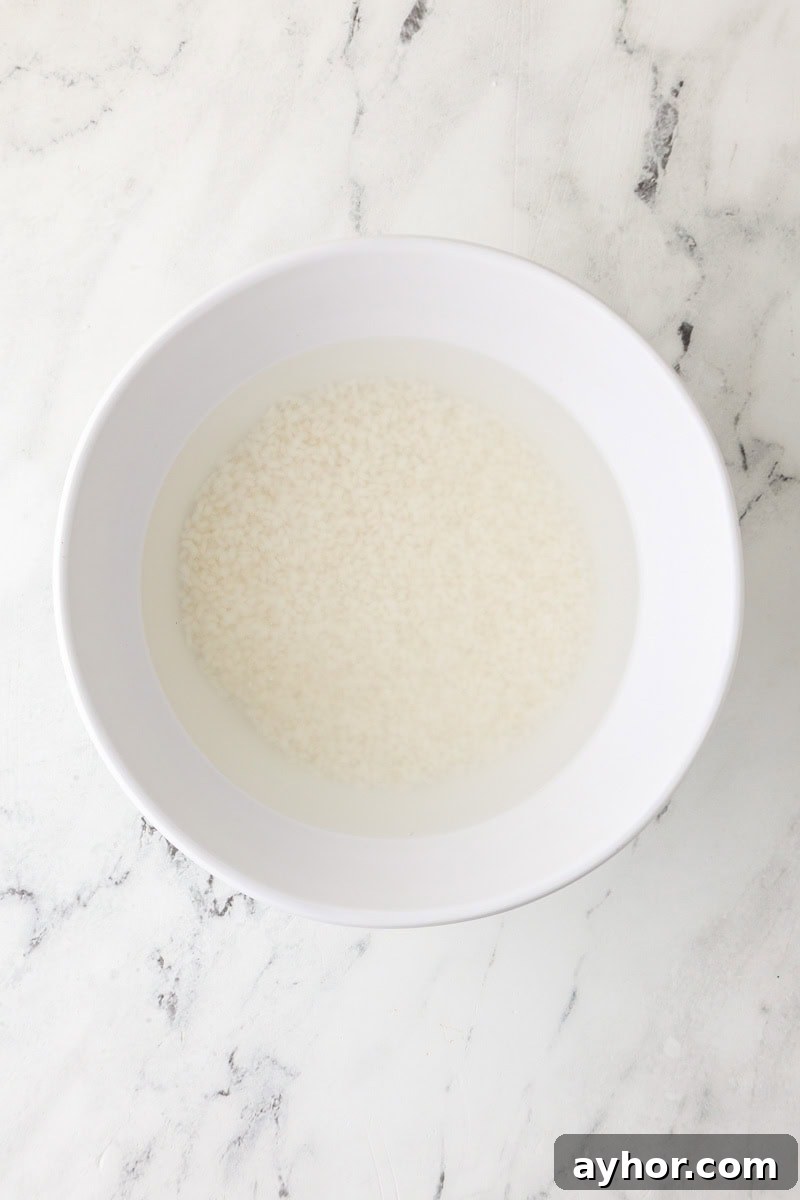
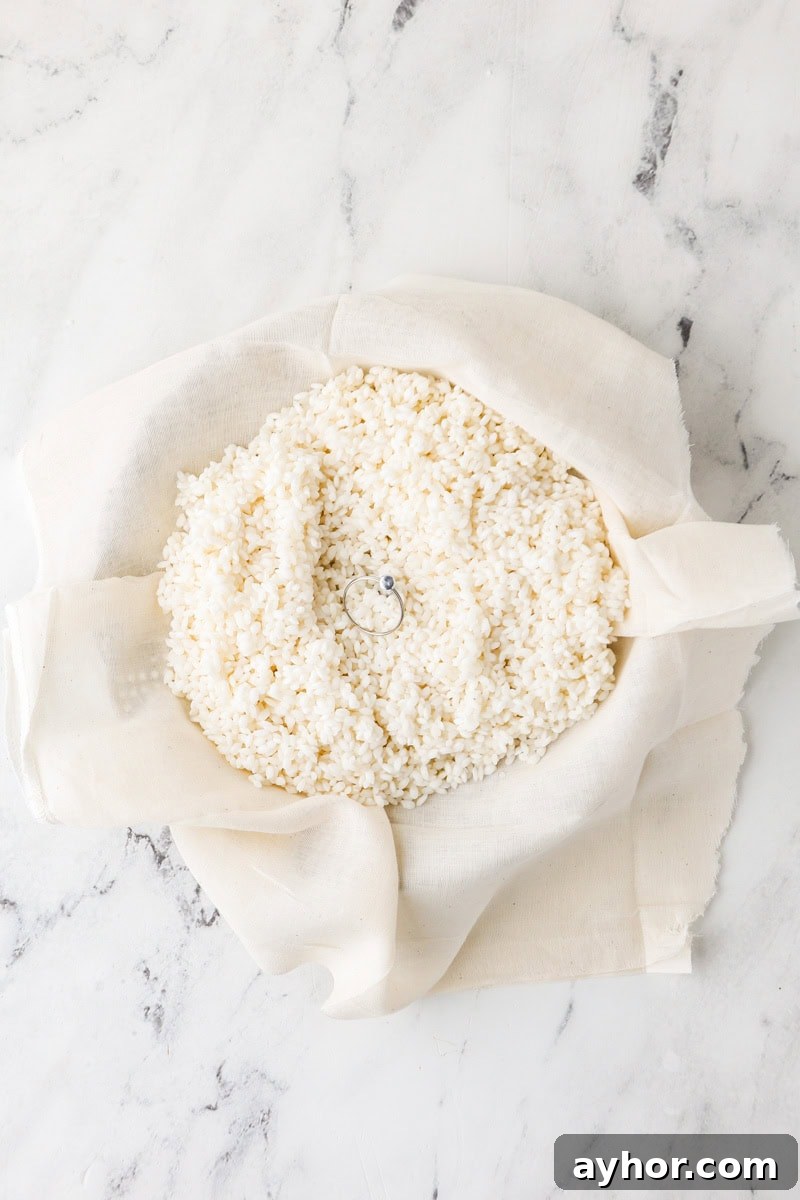
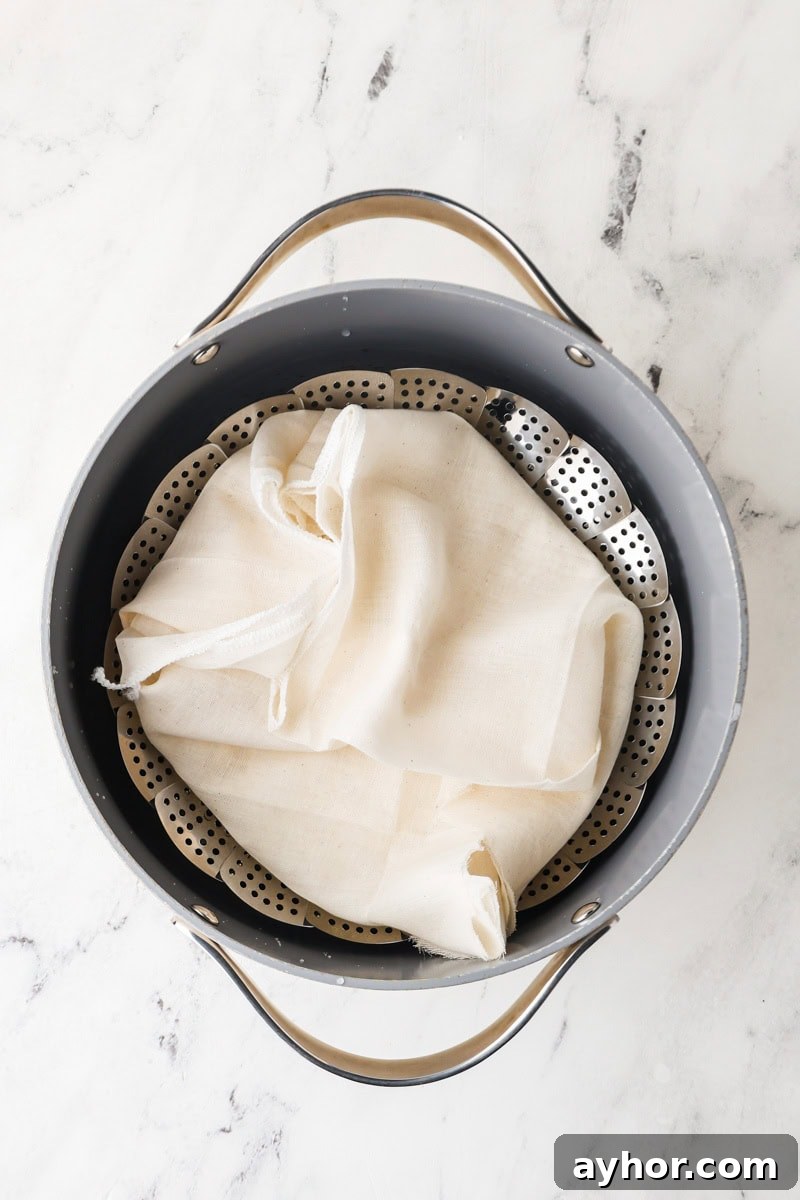
- Bring about 2 inches of water to a boil in a large pot, reduce to a steady simmer, set the steamer basket in place, and cover tightly. Steam until the rice is translucent and tender, flipping the bundle halfway through (about 20 minutes, then 10–15 minutes more).
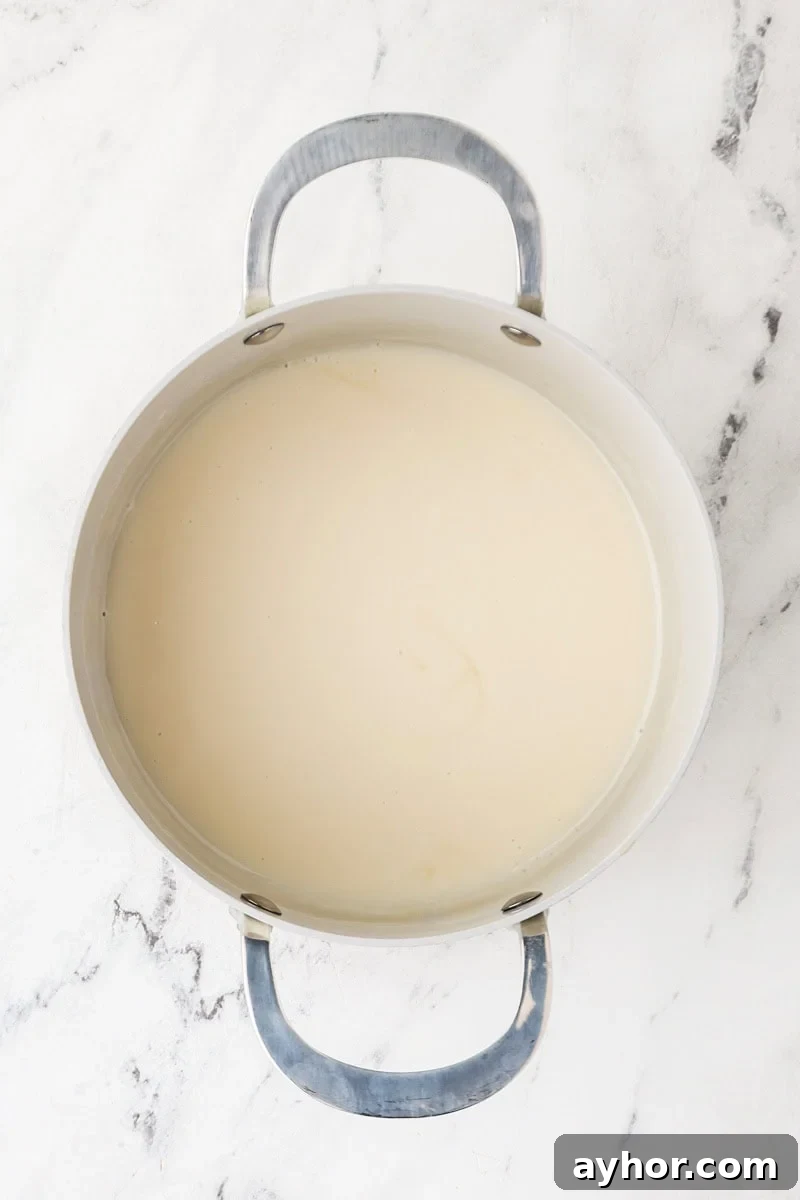
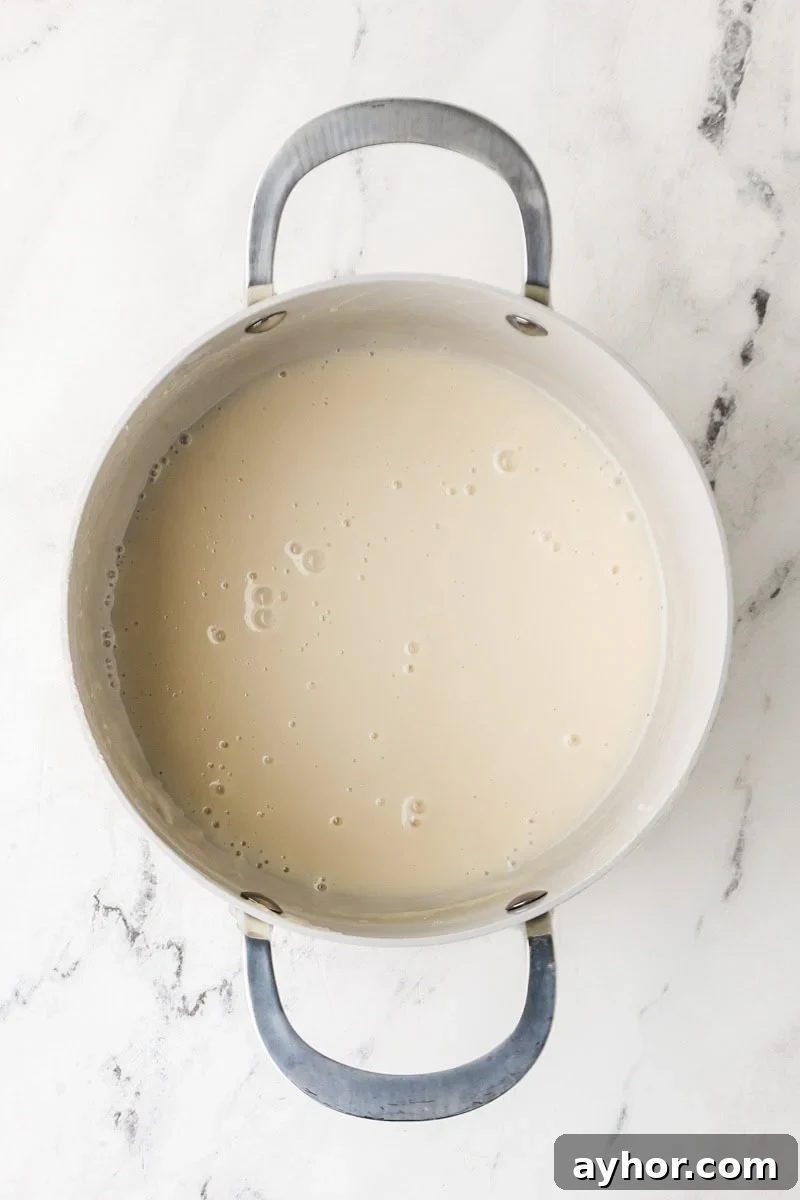
- Make the coconut sauce: combine 1⅓ cups coconut cream, ¼ cup finely chopped palm sugar, and ½ teaspoon kosher salt in a medium saucepan. Heat over medium, stirring gently until the sugar dissolves and the mixture thickens slightly. Remove as soon as it begins to bubble.
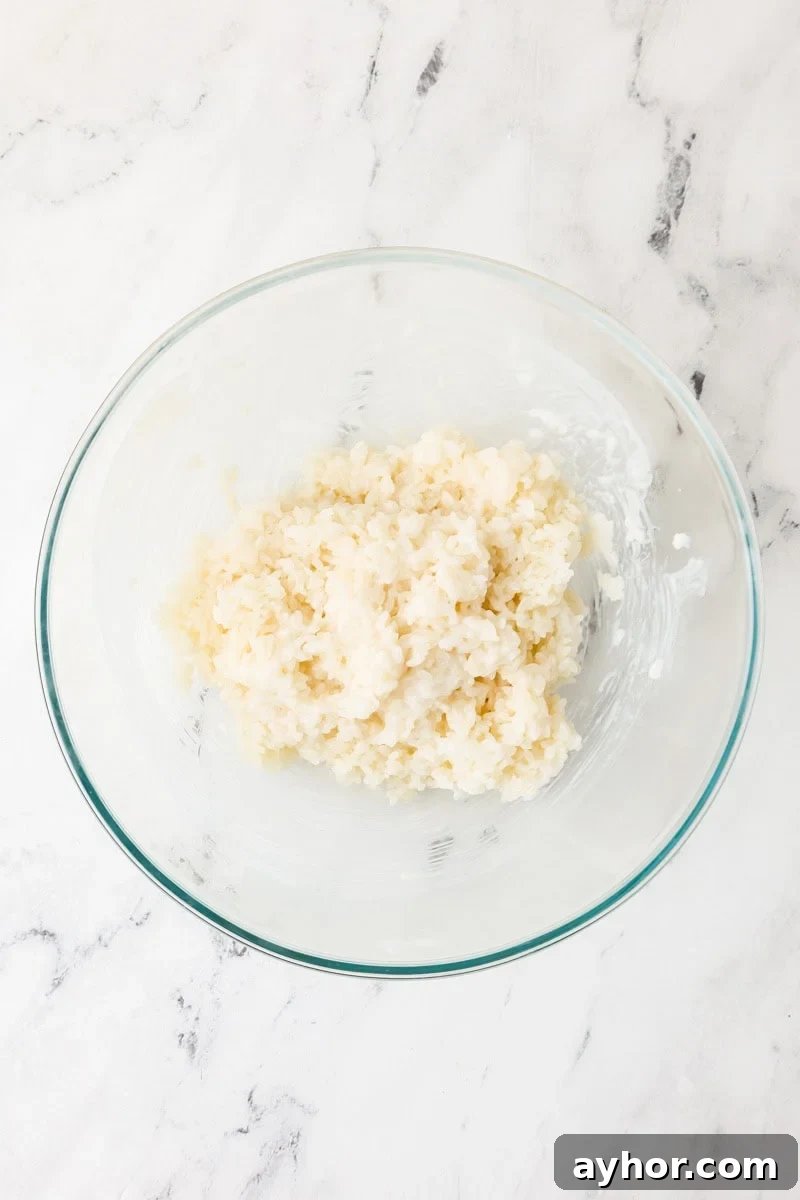
- Transfer the hot rice to a large heatproof bowl and pour most of the warm coconut sauce over it. Fold gently 2–3 times to distribute the sauce, cover tightly, and let the rice rest undisturbed for 20–25 minutes so it absorbs the sauce.
- While the rice rests, warm the reserved ⅓ cup coconut cream with 2 teaspoons palm sugar and ¼ teaspoon salt until the sauce coats a spoon. If you want a slightly thicker drizzle, whisk a little rice flour into the cold cream before heating.
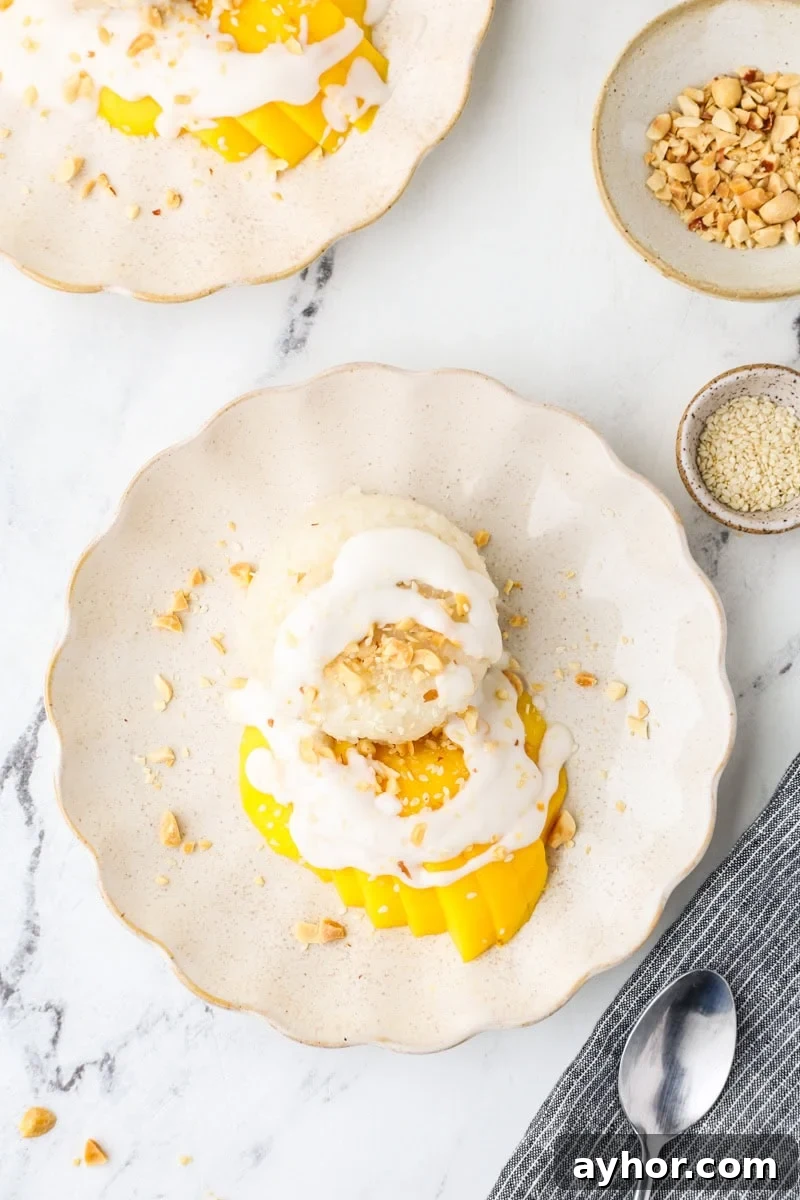
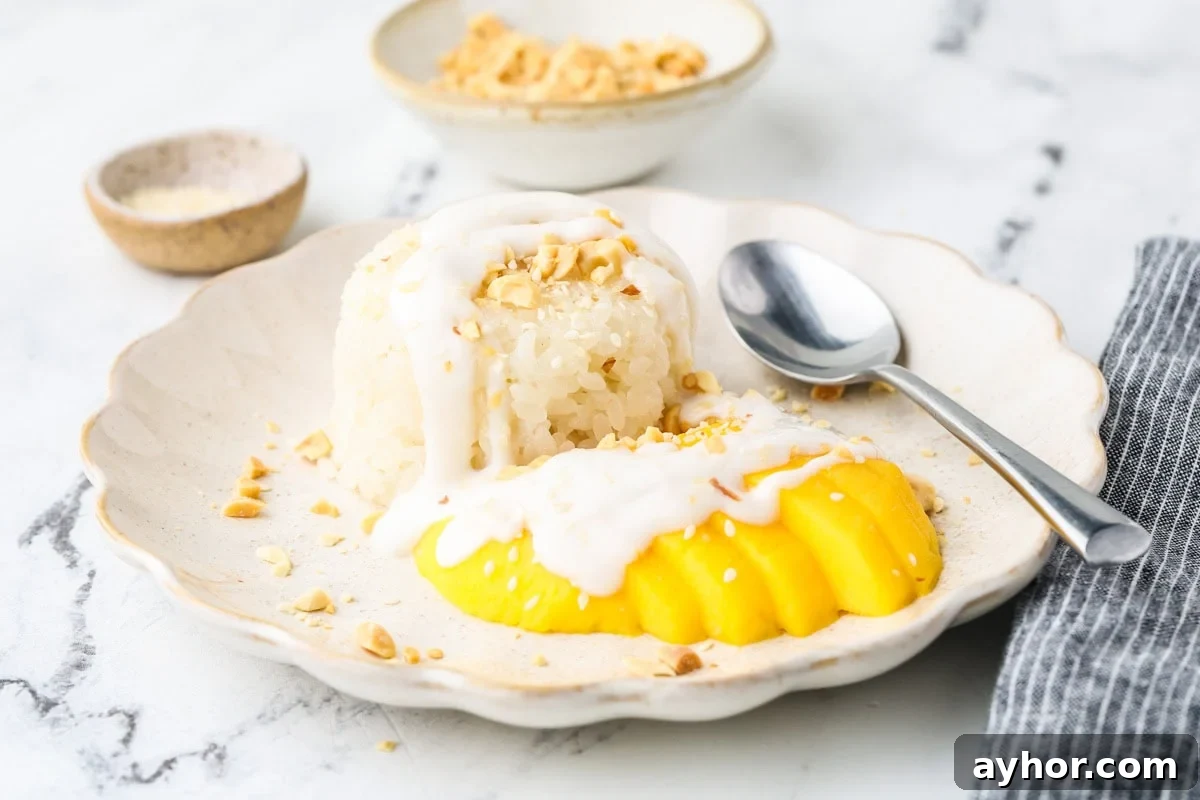
- Serve the sticky rice warm or at room temperature with sliced mango, drizzle with the reserved sauce, and finish with crushed peanuts, toasted mung beans, or sesame seeds.
How to serve mango sticky rice with coconut cream
Mango sticky rice is best served slightly warm or at room temperature. It follows Thai mains well — the sweetness and richness make a pleasant contrast after savory dishes — but it also stands alone as a simple summer dessert. Pair with grilled or spicy dishes for a balancing finish.
Variations
- Traditional topping: Dry‑toasted yellow split mung beans are the classic garnish in Thailand and give a pleasant crunch.
- Alternate toppings: Roughly crushed roasted peanuts or toasted sesame seeds work well if mung beans aren’t available.
Storage and reheating suggestions
Enjoy the dish the day it’s made. Store the rice and sauce separately in the refrigerator for up to two days. Reheat the rice in short bursts with a splash of water to restore moisture; do not freeze. Always slice fresh mango just before serving.

Pin
Thai Mango Sticky Rice with Coconut Cream
Equipment
-
Metal steamer basket
-
Cheesecloth
-
Large pot
-
Medium saucepan
Ingredients
For the sticky rice:
- 1⅓ cups Thai sticky rice
- Cold water for soaking
For the coconut cream bloom:
- 1⅓ cups Full‑fat coconut cream about ¾ of a 14‑oz can
- ¼ cup Palm sugar finely chopped (or coconut sugar)
- ½ teaspoon Kosher salt
For the reserved drizzle:
- ⅓ cup Full‑fat coconut cream the remainder of the can
- 2 teaspoons Palm sugar
- ¼ teaspoon Kosher salt
- ½ teaspoon Rice flour optional, for slight thickening
For serving:
- 2 medium Ataulfo or Champagne mangoes ripe, peeled and sliced
- ¼ cup Roasted unsalted peanuts roughly crushed
- Sesame seeds toasted, optional
Instructions
-
Rinse the sticky rice under cool water until the water runs nearly clear, about 4–5 changes. Cover with cool water by 2 inches and soak at room temperature for at least 4 hours or overnight.
-
Drain the rice and line a metal steamer basket with a double layer of cheesecloth. Spread the rice in an even layer no more than 2 inches deep and fold the overhang loosely over the top.
-
Bring 2 inches of water to a boil in a large pot, reduce to a steady simmer, set the basket in place, cover tightly, and steam for 20 minutes. Flip the rice bundle, cover, and steam another 10–15 minutes until the rice is translucent, tender, and slightly chewy. Keep covered off the heat.
-
Combine 1⅓ cups coconut cream, ¼ cup palm sugar, and ½ teaspoon salt in a medium saucepan. Heat over medium, stirring, until the sugar dissolves and the mixture just begins to bubble and thicken, about 5–6 minutes. Remove from heat once it thickens.
-
Transfer the hot rice to a large heatproof bowl and pour about three‑quarters of the warm sauce over it. Fold gently 2–3 times, cover tightly, and let stand undisturbed for 20–25 minutes until the rice absorbs the sauce.
-
Meanwhile, combine the remaining ⅓ cup coconut cream, 2 teaspoons palm sugar, and ¼ teaspoon salt in the saucepan. If using rice flour, whisk it into the cold cream first. Heat over medium‑low until the sauce thickens enough to coat a spoon, 3–4 minutes.
-
Plate the warm rice with sliced mango, drizzle the reserved sauce over the rice, and top with crushed peanuts or toasted mung beans and sesame seeds if desired.
Notes
- One 14‑oz can of full‑fat coconut cream covers the recipe; use about three‑quarters for the bloom and reserve the rest for the drizzle. Do not use light coconut milk.
- Coconut cream adds a richer texture and a slight caramel flavor when paired with palm sugar.
- For the best bloom, both the rice and the coconut sauce should be very hot before combining. After folding, cover and let rest undisturbed for 20–25 minutes.
- Use Thai sticky rice (glutinous rice); other rice types will not produce the correct texture.
- Pick fragrant, slightly soft Ataulfo or Champagne mangoes. Ripen them on the counter for a few days if needed.
- A metal steamer basket lined with cheesecloth works as well as a bamboo steamer.
- For a traditional garnish, substitute toasted yellow split mung beans for peanuts.
- Best eaten the day it’s made. Refrigerate rice and sauce separately for up to 2 days and reheat the rice with a splash of water. Do not freeze. Slice mango just before serving.
Nutrition
Nutrition information is automatically calculated and should be used as an approximation.