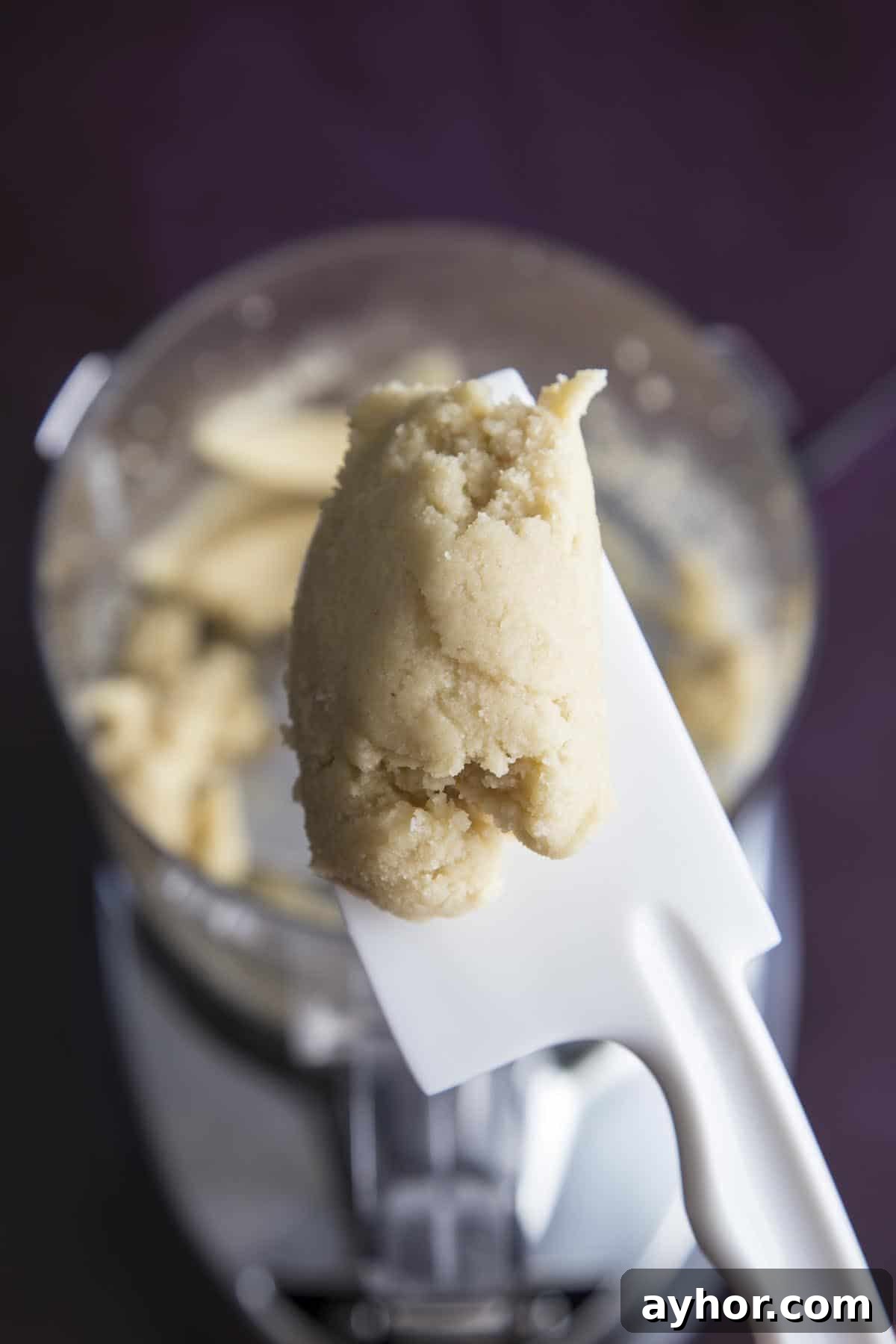
Homemade almond paste comes together in about 5 minutes with only 5 ingredients. It’s a versatile, flavorful filling that will lift your almond desserts—and it costs far less than store-bought versions.
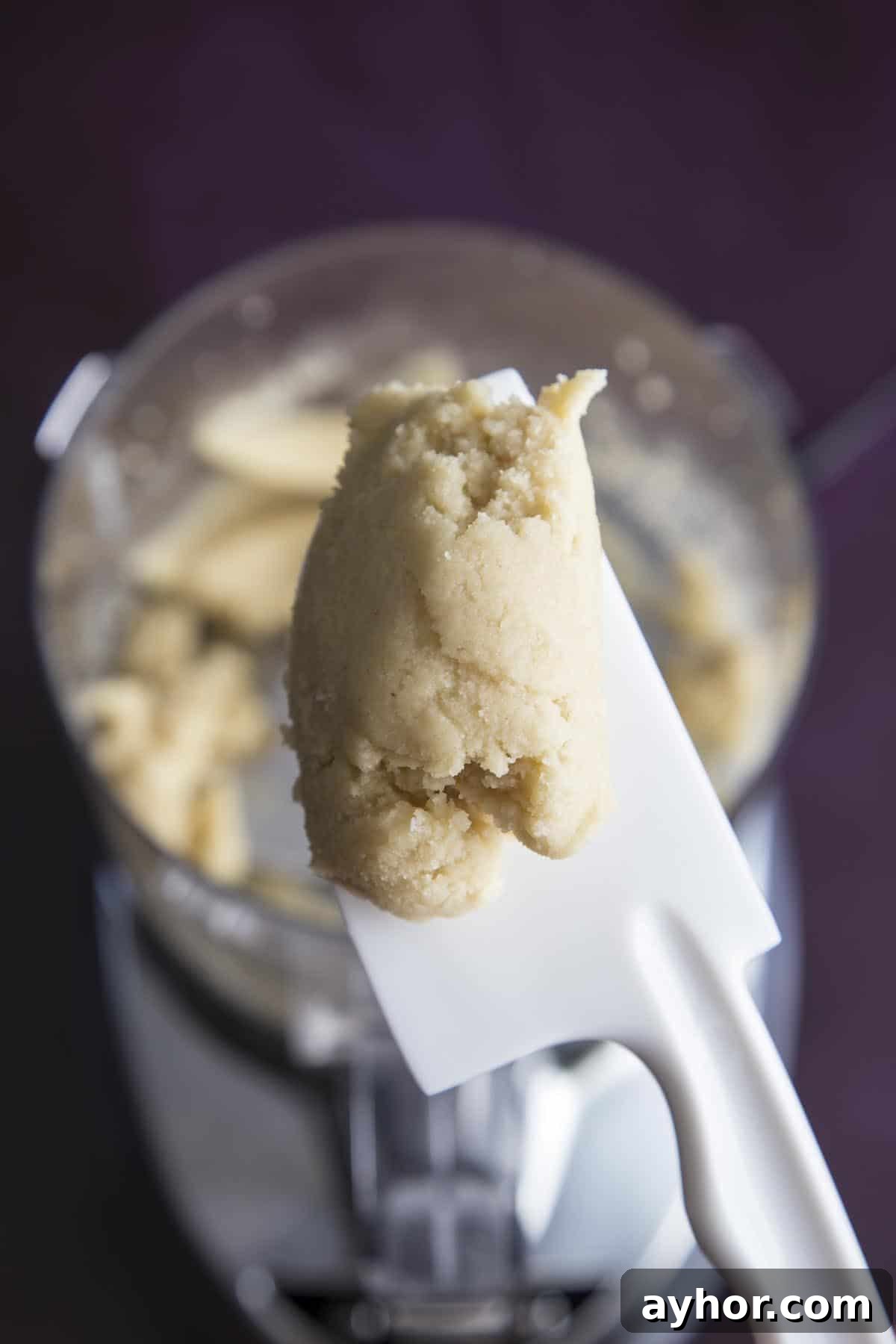
I’ve used homemade almond paste in many desserts over the years and it always impresses. If you enjoy almond flavors, making your own paste opens up countless possibilities: use it as a filling, fold it into doughs, or roll it into pastries.
Store-bought almond paste can be expensive, so this quick homemade recipe saves money and gives you control over texture and flavor.
Table of Contents
- What is almond paste?
- Why you’ll love this recipe
- Ingredients and substitutions
- Tools you’ll need
- How to make almond paste
- Baker’s tips
- Storage
- FAQs
- More basic recipes to enhance your baking
- 5-Ingredient Almond Paste Recipe
What is almond paste?
Almond paste is a simple blend of ground almonds and sugar bound together into a soft dough, most commonly with egg white. It’s used as a filling or flavoring in many baked goods.
Common uses include filling tarts, folding into scone dough, adding to French toast bakes, or rolling into pastries and rugelach. It gives baked goods a rich almond flavor and moist texture.
Almond paste vs. marzipan vs. frangipane
Almond paste and marzipan are similar—both are made from almonds and sugar. The key differences:
- Almond paste contains less sugar and is usually used as a filling in baked goods.
- Marzipan is sweeter and smoother, making it ideal for candies and cake decorations; you can make marzipan by sweetening almond paste further.
Frangipane is different: it’s an almond cream enriched with butter and whole eggs and used as a custard-like filling. Almond paste and marzipan rely on egg white (or other binders) rather than butter and whole eggs.
Why you’ll love this recipe
- Only 5 ingredients.
- Ready in about 5 minutes.
- Makes a batch you can refrigerate or freeze for later use.
Ingredients and substitutions
The full ingredient list and quantities are in the recipe card below. Notes and substitutions:
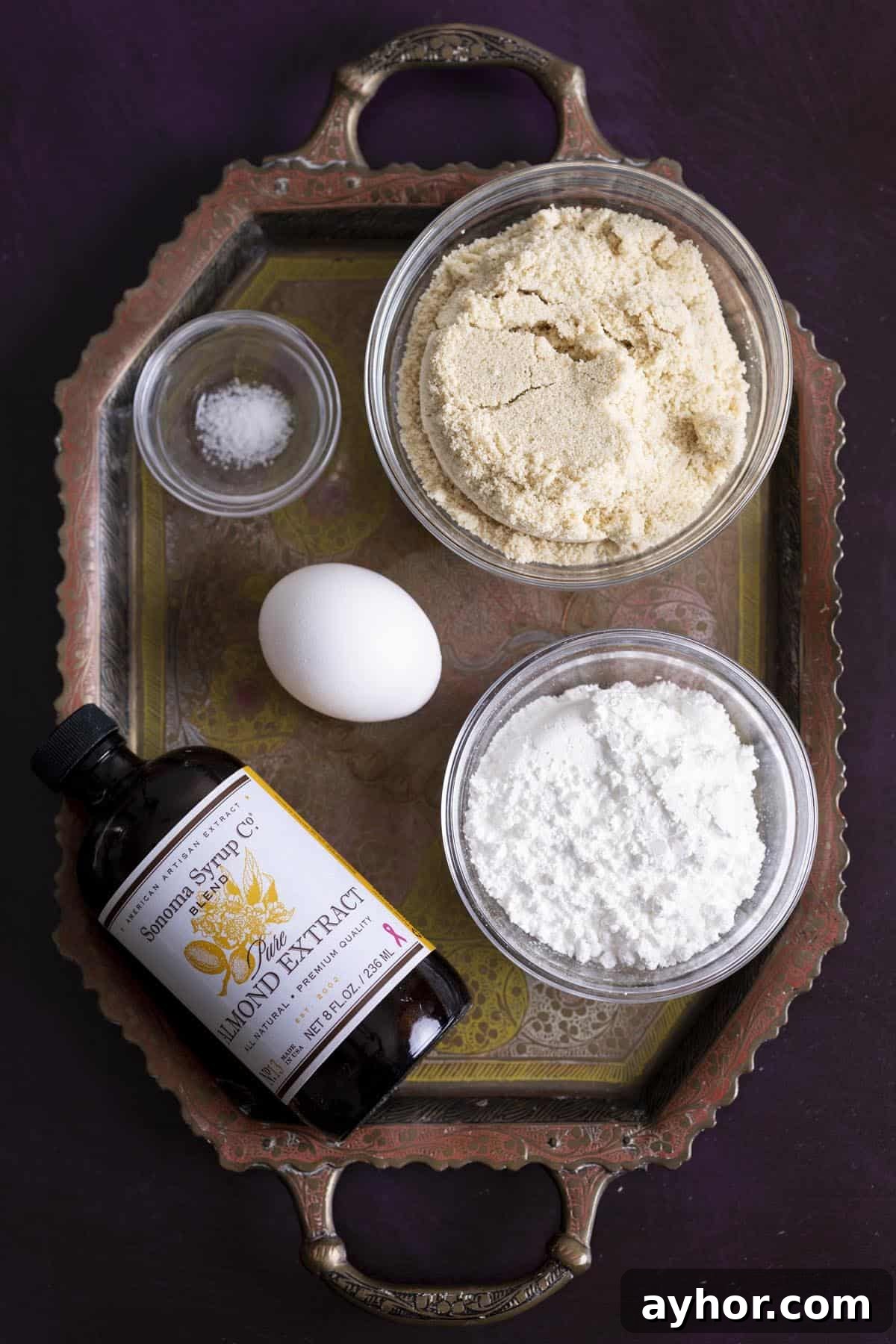
- Almond flour – Use fine almond flour for a smooth texture. You can substitute almond meal or grind whole almonds to make your own.
- Powdered sugar – Preferred for a smoother paste. If using granulated sugar, pulse it in a food processor first to make it finer.
- Salt – A small pinch brightens the flavor.
- Egg white – One egg white binds the mixture into a cohesive paste.
- Almond extract – Adds concentrated almond flavor; increase slightly if you want a stronger profile.
Tools you’ll need
You can make almond paste with:
- A food processor (best for a very smooth paste and for grinding nuts).
- A stand mixer with paddle attachment (yields a slightly coarser paste).
- A mixing bowl and fork — works in a pinch if you don’t have electric equipment.
How to make Almond Paste
These clear, step-by-step instructions explain how to prepare the paste. You can also jump to the printable recipe card below.
Using a food processor
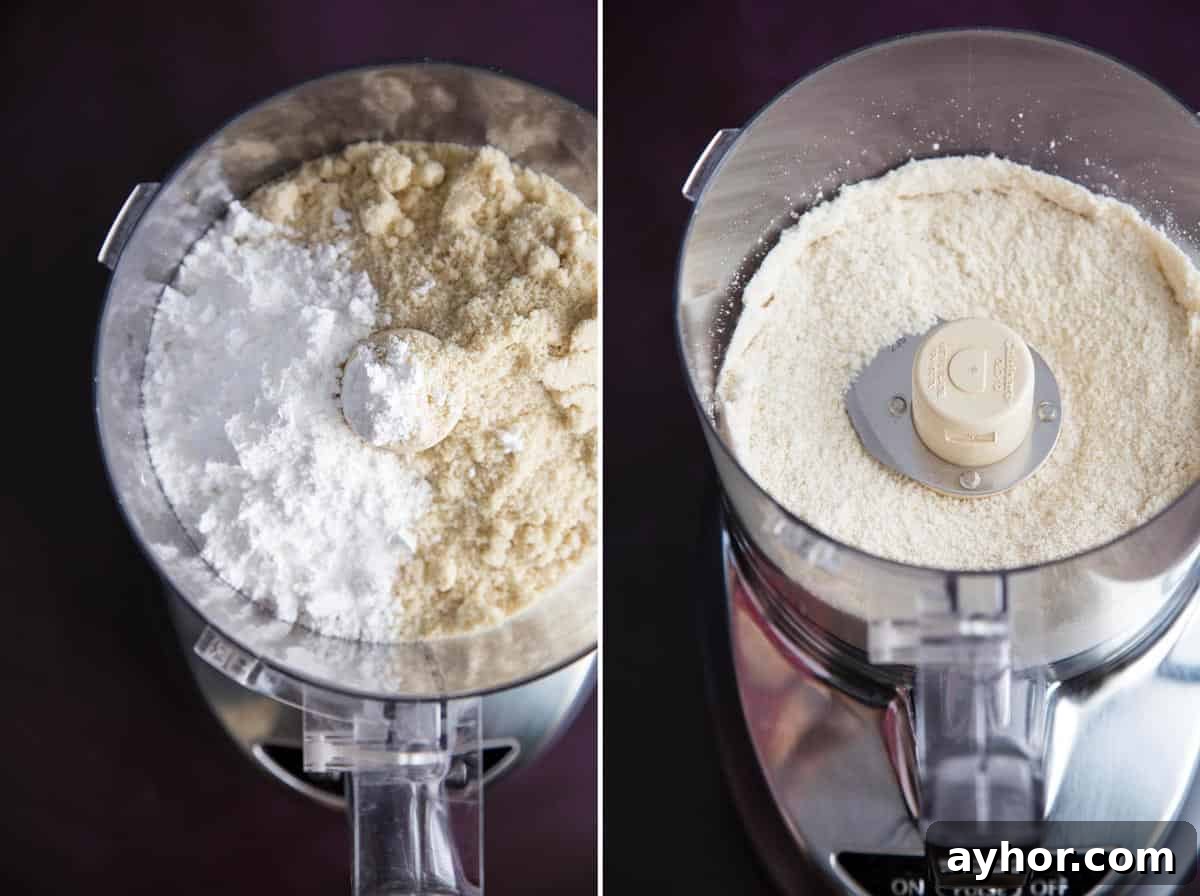
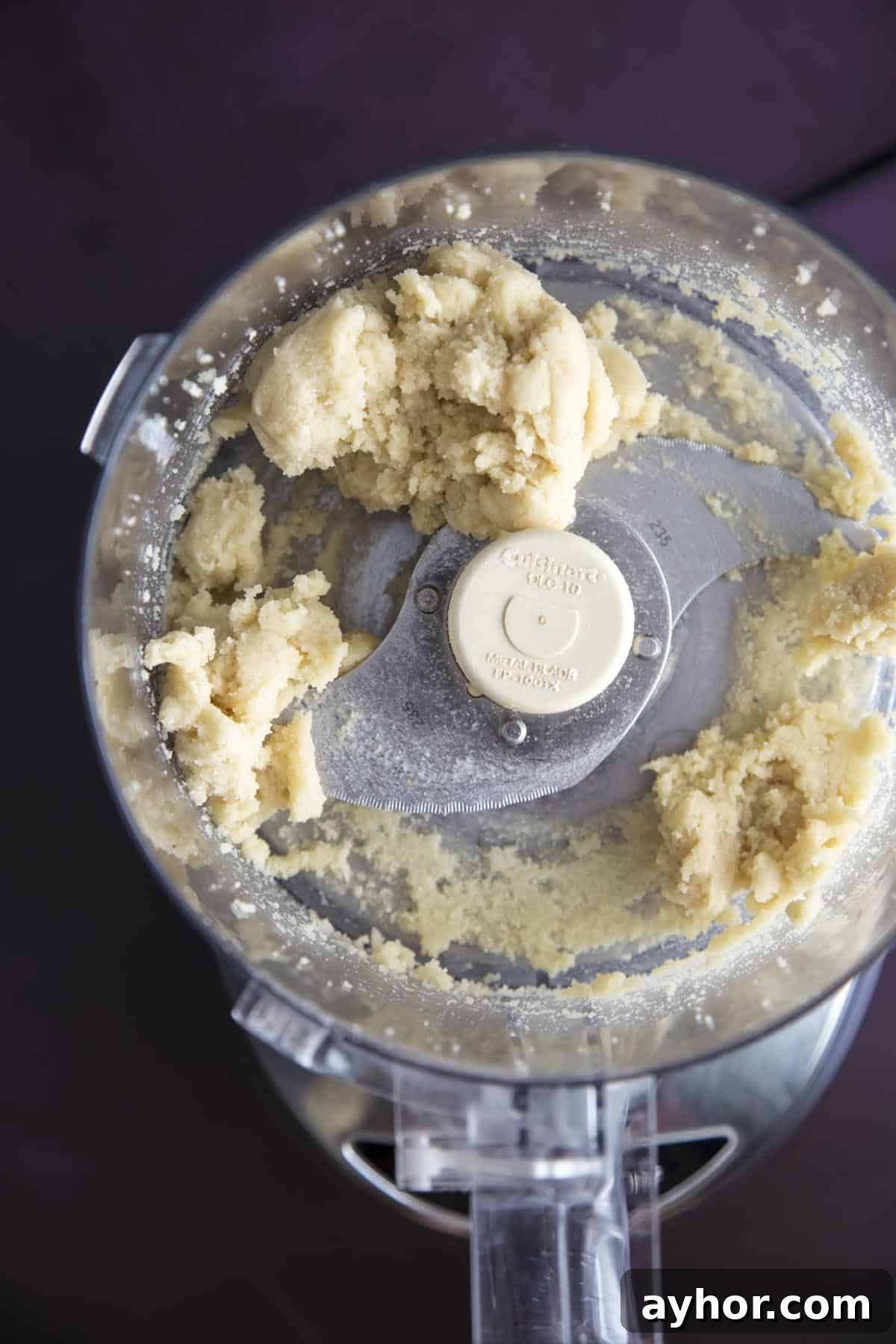
This is the fastest method and gives the smoothest result. Add the almond flour, powdered sugar, and salt to the food processor bowl fitted with the metal blade. Pulse to combine evenly. Add the egg white and almond extract, then process until the mixture forms a smooth, cohesive paste. Scrape the sides and bottom as needed to ensure everything is incorporated. Remove immediately and wrap tightly in plastic.
Using a stand mixer
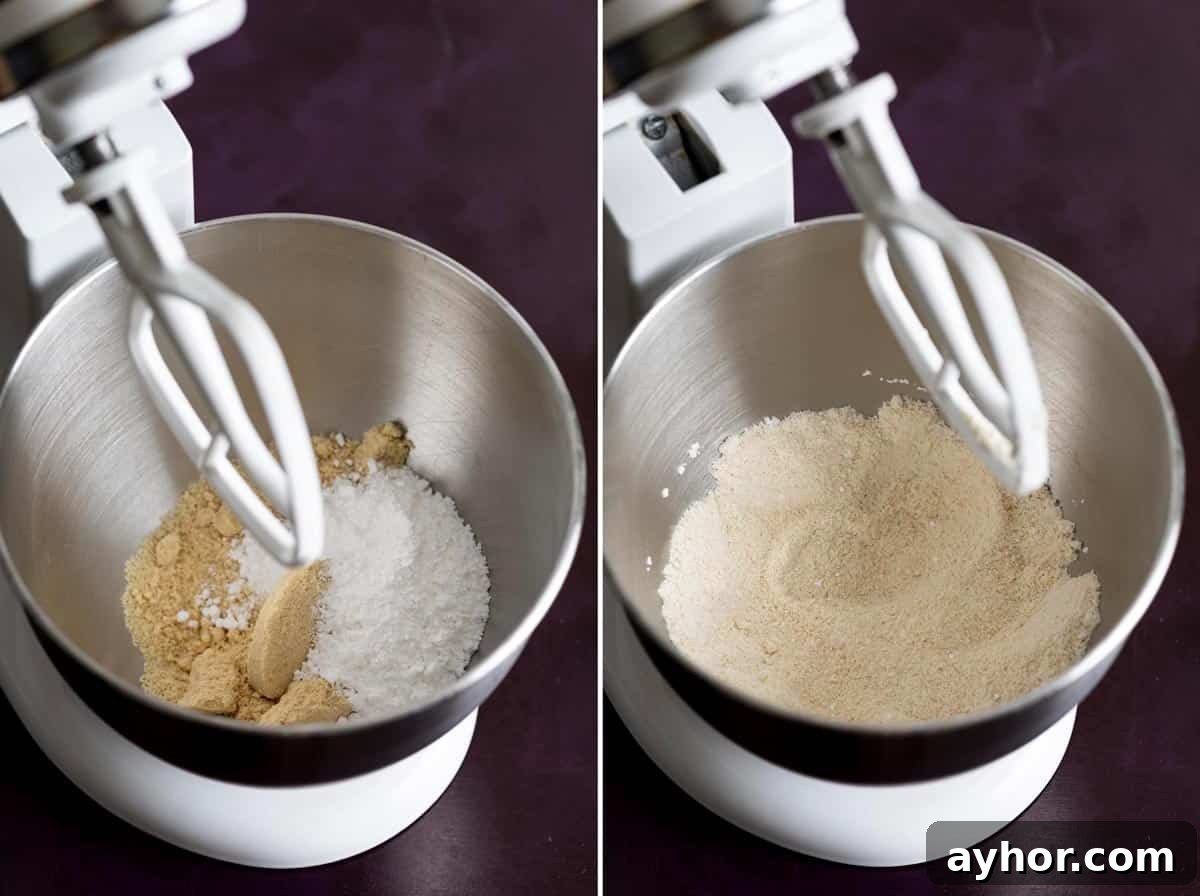
Mix the dry ingredients in the mixer bowl, then add egg white and almond extract and beat with the paddle until the paste comes together. The texture will be slightly coarser than the food processor method. Scrape out the sticky paste and wrap it in plastic.
Make it by hand
Combine the dry ingredients in a bowl, then stir in the egg white and almond extract with a fork. It will be sticky—keep working the mixture until it becomes a uniform paste.
Baker’s tips
- This recipe yields roughly 7–7½ oz of almond paste, similar to one standard retail package.
- The paste is soft and sticky right away, so use immediately for fillings or spreads. If you need to roll or cut it cleanly, chill first to firm it up.
Storage
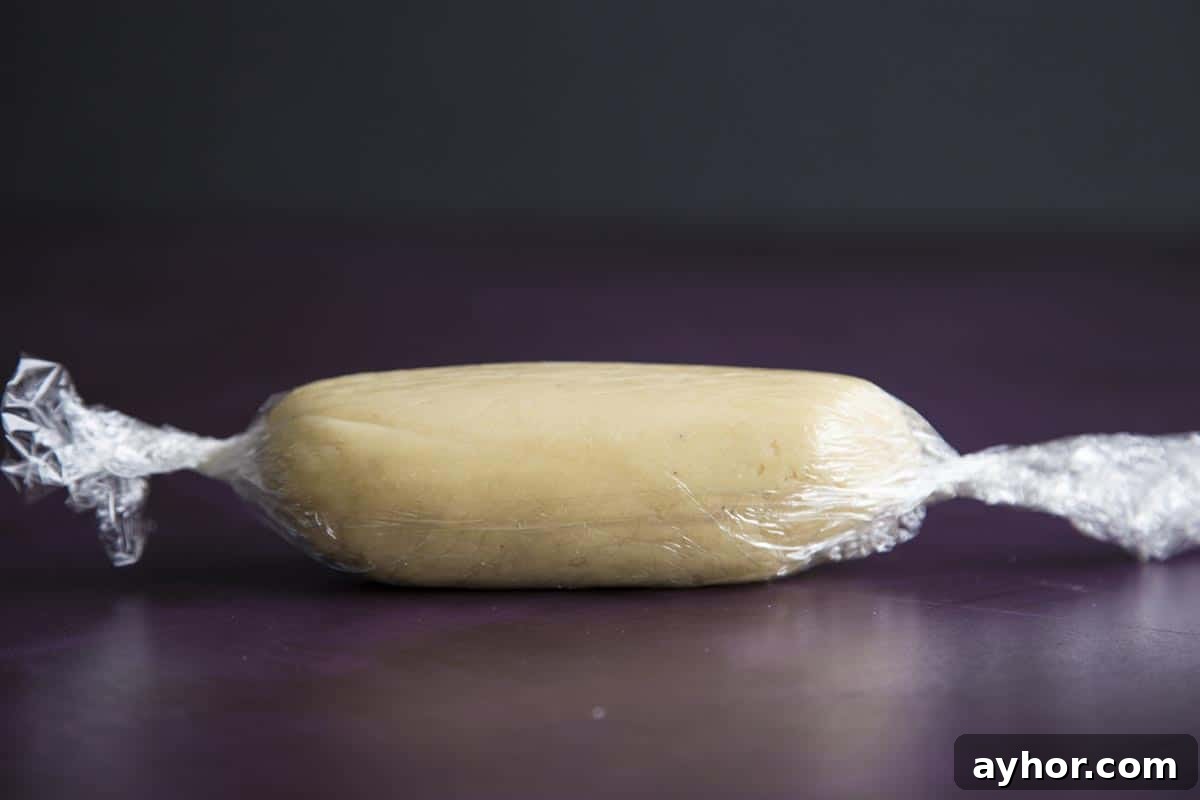
Because this version uses raw egg white, store homemade almond paste in the refrigerator for up to 10 days. For longer storage, freeze tightly wrapped for up to 6 months. Protect it from absorbing odors by wrapping well.
FAQs
Almond flour is usually more finely ground and made from blanched almonds (no skin). Almond meal can be coarser and may include skins, which show as flecks in the final product.
Either works. Almond flour or blanched almond meal gives a smoother, more uniform appearance, but coarser almond meal is fine if texture isn’t critical.
Not exactly—marzipan is sweeter and softer, so it doesn’t behave the same way in recipes that expect almond paste.
Traditional almond paste is made from real almonds. If you prefer other nuts, you can grind them into a nut flour and use the same method to make pistachio, pecan, or macadamia paste.
More basic recipes to enhance your baking
- Brown Butter
- Caramelized Sugar Dust
- Homemade Dulce de Leche
- Homemade Peanut Butter
- Pistachio Butter
Hungry for more?
Join the free newsletter for weekly recipes, ideas, and the occasional subscriber-only giveaway.
5-Ingredient Almond Paste
Equipment
- Food processor (recommended)
- Stand mixer (optional)
Ingredients
- 1 cup almond flour (129 g, packed)
- ½ cup powdered sugar (50 g)
- ⅛ teaspoon kosher salt
- 1 egg white
- ½ teaspoon almond extract (use 1 teaspoon for more flavor)
Instructions
- Add almond flour, powdered sugar, and salt to the bowl of a food processor fitted with the metal blade and pulse until evenly mixed.
- Add the egg white and almond extract and pulse until a smooth paste forms, scraping the sides and bottom as needed for even mixing.
- Scrape the paste out, shape it into a log using plastic wrap, and refrigerate until ready to use.
Notes
- Yield: about 7–7½ oz, similar to one store-bought package.
- You can use almond meal or grind your own almonds if needed.
- Store in the refrigerator up to 10 days or freeze up to 6 months.
Nutrition
Nutrition information is an estimate and should be used as a guideline.
 Like this recipe? Rate & comment below!
This post may contain affiliate links. For details on affiliates, ads, and sponsored content, see the site’s disclosure. Thank you for supporting these recipes.